Bring your M‑Bus meters to NB-IoT
Connect existing wired heat, water and electricity M-Bus meters to NB-IoT in minutes. Eliminate manual reading visits. No electrician. No coding required.
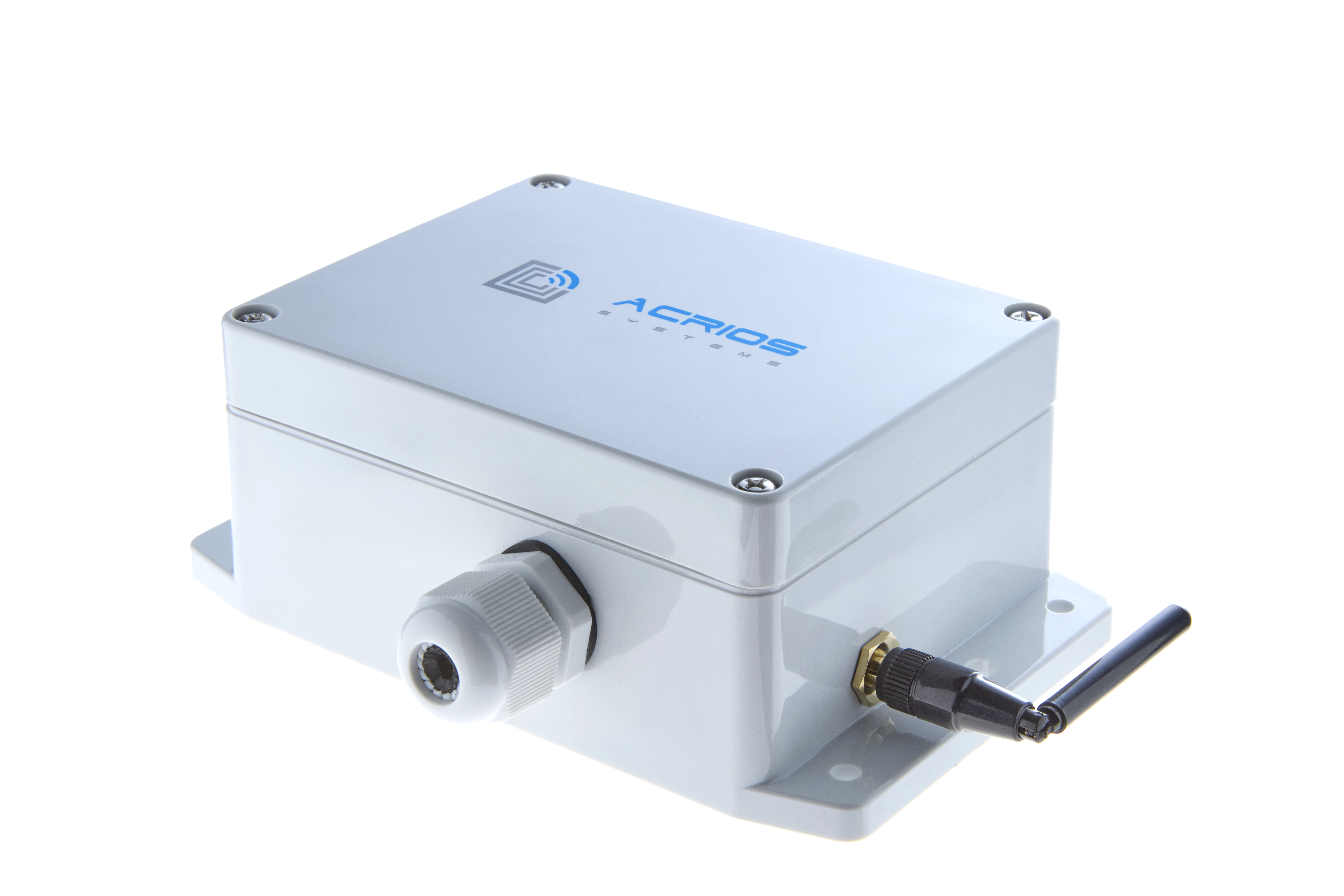

with dual cell
16 meters
Manual reading visits are your real cost
Based on a conservative estimate of €25 per site visit for technician time, travel, and admin, typical for Central European deployments. Western European costs are typically €40–60.
Hardware is a one-time cost. Reading visits are eliminated permanently. Year 2+ saving equals the full annual visit cost.
Built for these situations

Connect 1-3 heat meters within a district heating station. No power supply required.

Outdoor installations at building entry points. IP67 protection and a battery-operated device.

Meters that already exist but are without wireless communication. Keep them, just add ACRIOS converter.

No power socket nearby? The converter powers the entire M-Bus line from its own battery.

ACRIOS is perfect for small installations of 1–5 meters. We do support 16UL, but mainly for versatility and to support MBus bridges such as wM-Bus to M-Bus. For sites with dozens of meters on a single line, such as apartment building, a dedicated M-Bus concentrator with external power supply and internet connection may be a better fit for you.

Every detail counts in the field
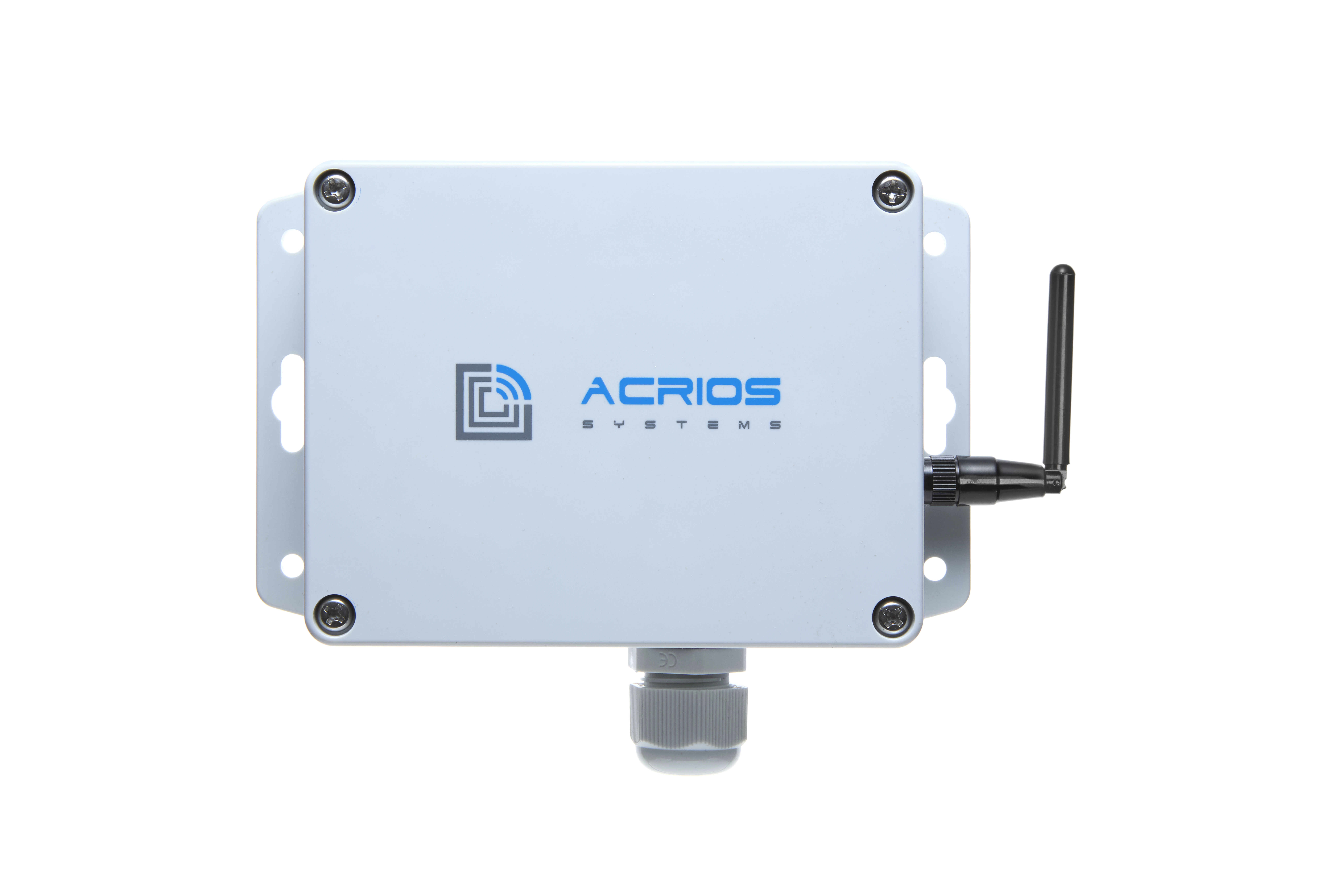
Built for harsh environments
- IP67 rated – fully waterproof and dustproof; suitable for outdoor cabinets, basements, and heat stations
- SMA antenna port – standard connector; extend outside a metal cabinet for full signal when needed
- WAGO terminal block – tool-free snap wiring, no loose screws, zero installation mistakes
- Captive lid screws – screws stay attached; IP67 seal stays intact during every service visit
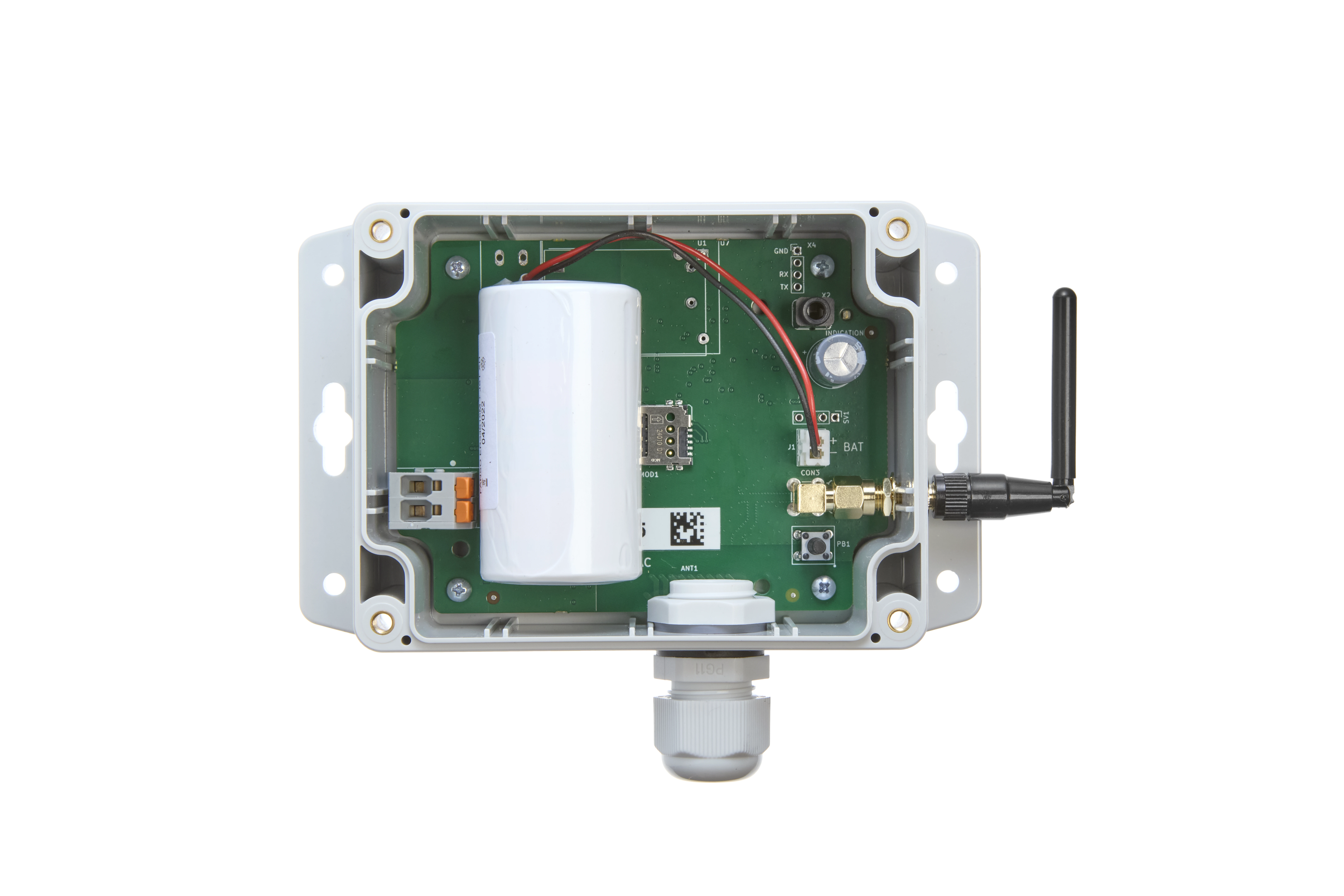
Single battery for up to 10 years
- EVE ER34615M D-Cell (19 Ah) – primary lithium, −40 °C to +85 °C rated, no self-discharge concerns
- Over 10 years battery life at 1-hour interval, ideal for billing-grade metering
- User-replaceable without tools
- Sourced from distributors across Europe, no ACRIOS dependency
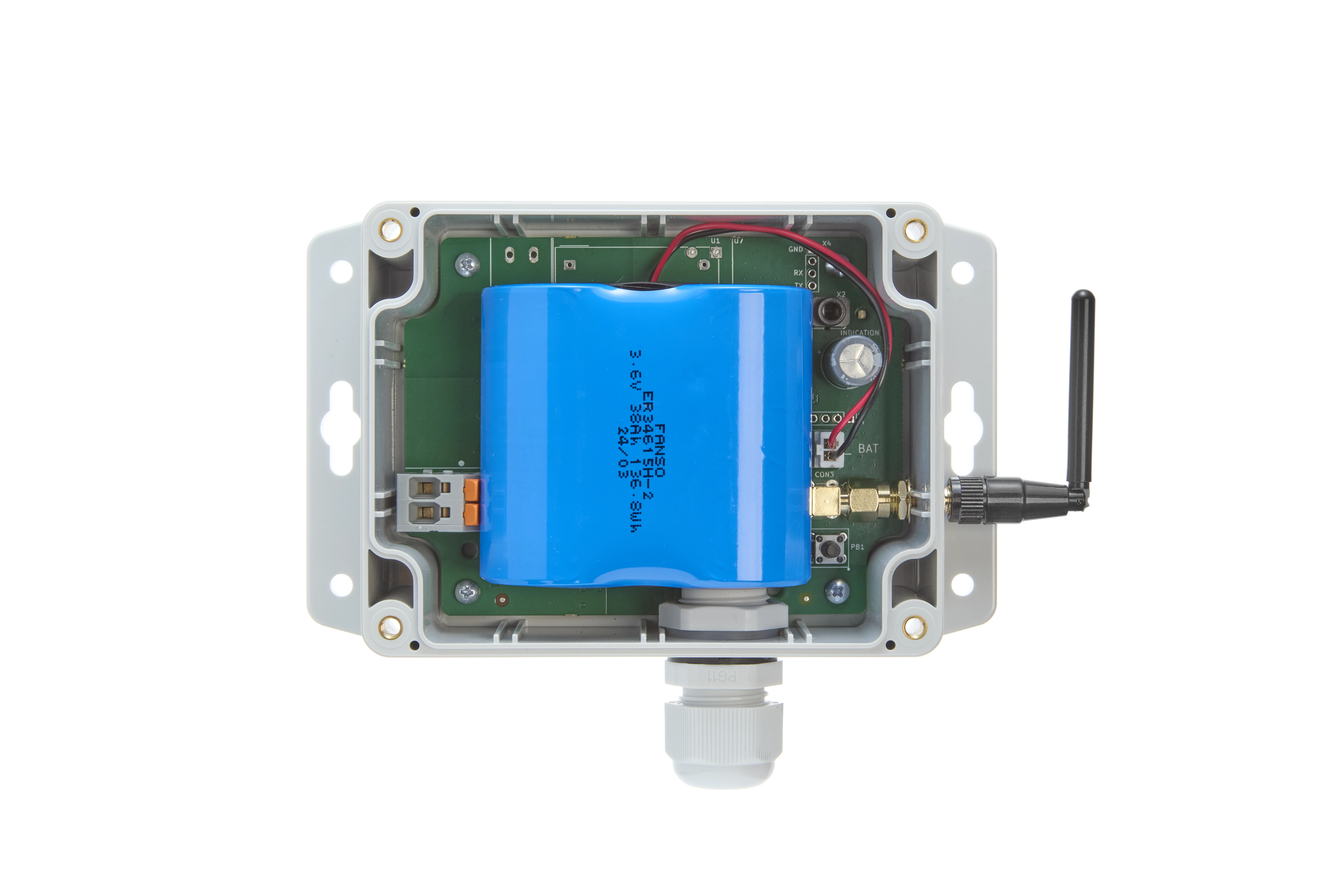
Dual battery for up to 20 years
- FANSO ER34615 dual pack (38 Ah) – double capacity in the same enclosure footprint
- Over 20 years battery life at 1-hour interval – set it and forget it
- Drop-in swap – same enclosure, plug-in pack; field replacement takes under two minutes
Set up in minutes, not hours
Configuration used to require writing Lua scripts. Now a step-by-step web Wizard handles it: scan, select, send.
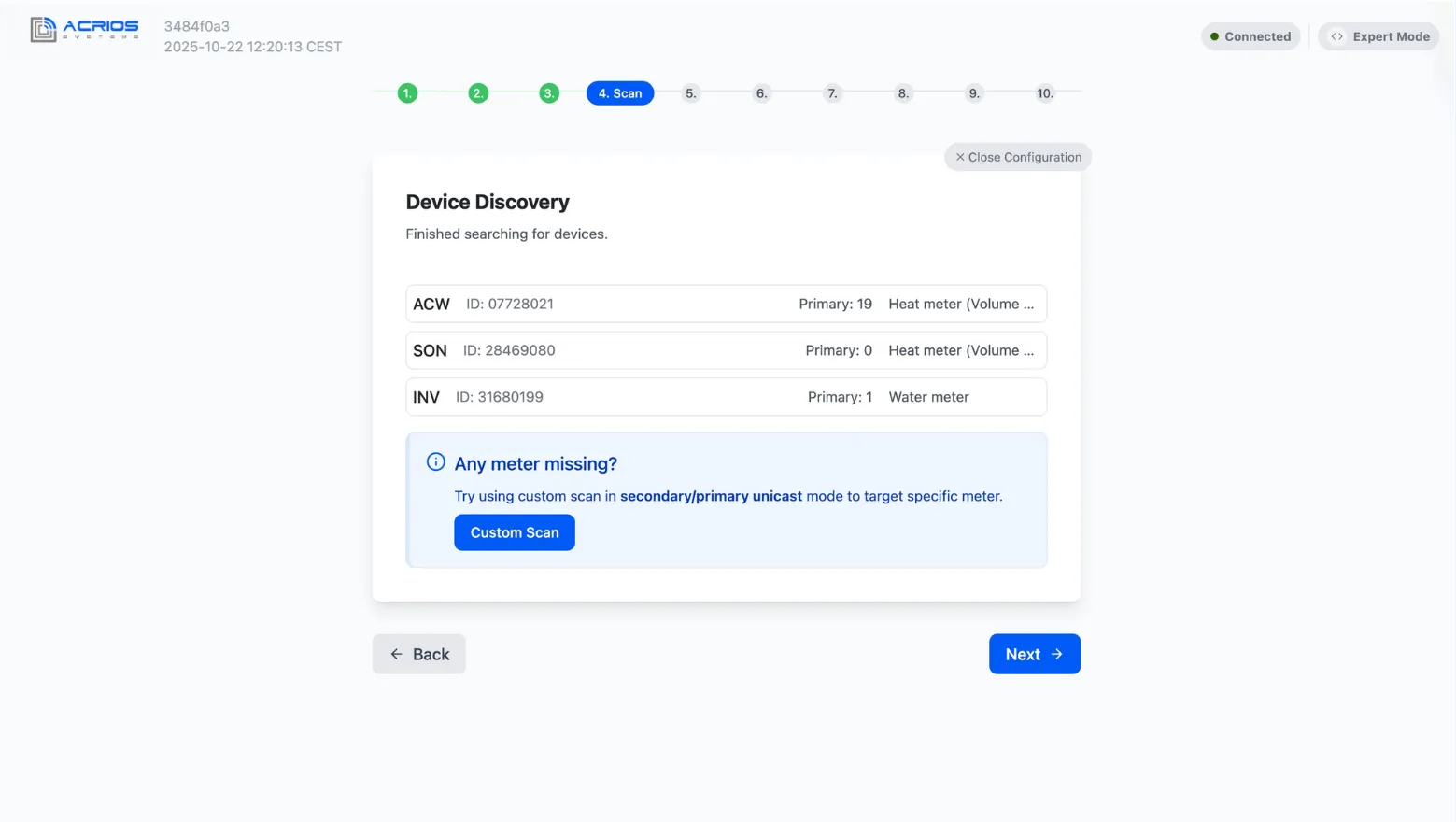
Connect & scan
The wizard automatically discovers all connected M-Bus meters: names, IDs, and meter types. No manual addressing needed.
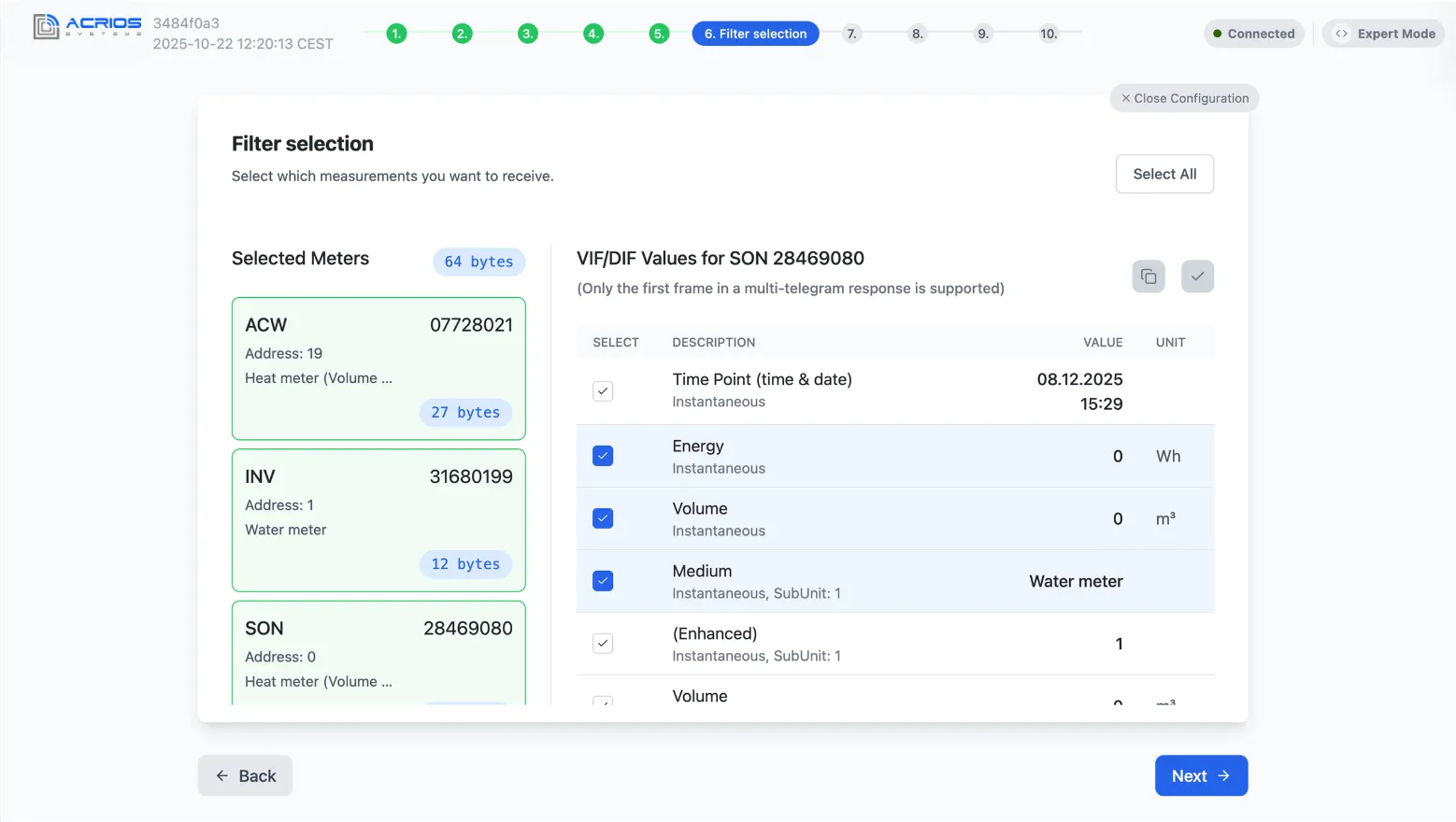
Pick your data
Choose exactly which values to transmit (energy, volume, temperature…) with a live byte count. Know exactly what will be sent before sending it.
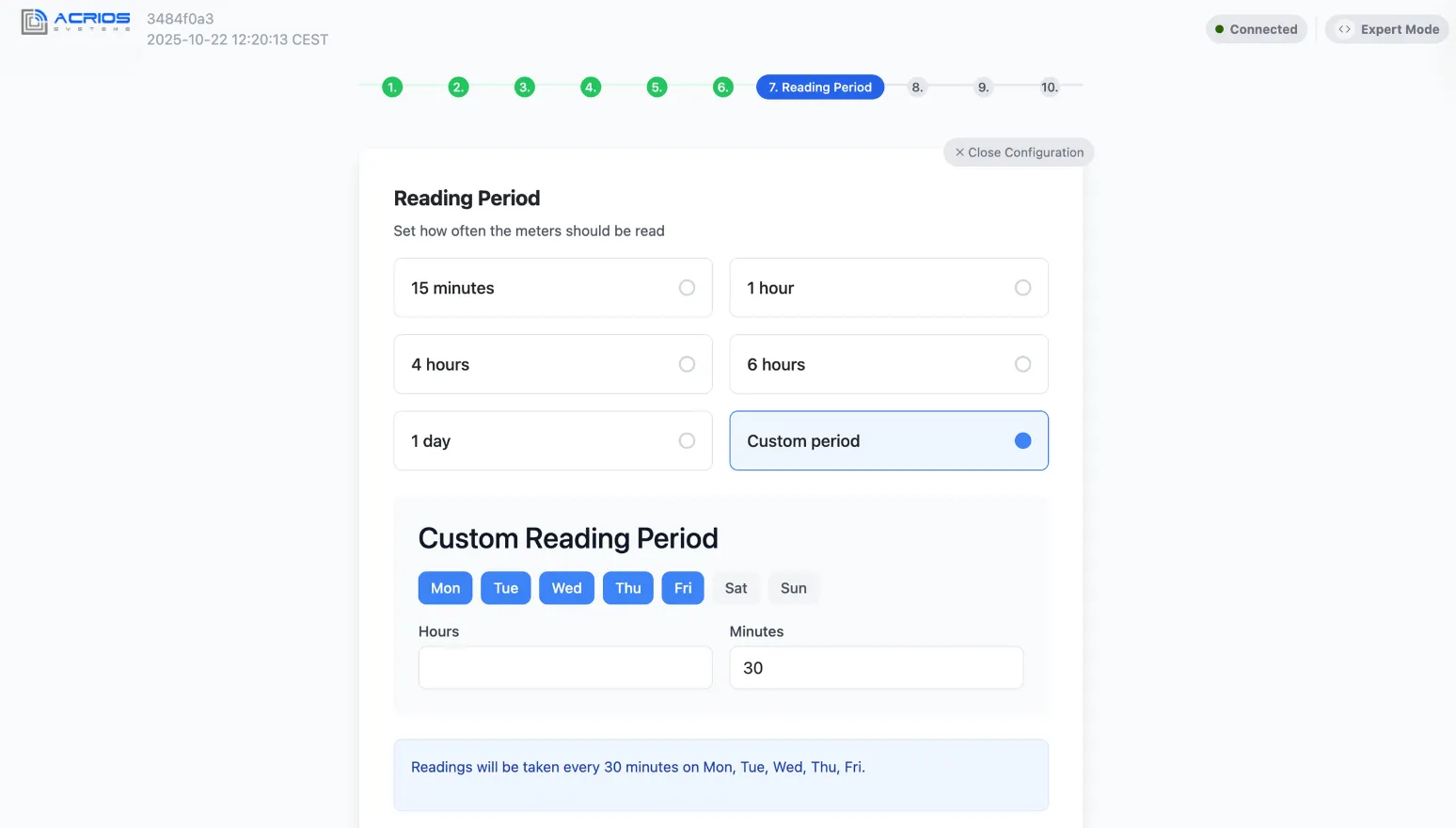
Set interval & push remotely
Save the configuration to the device. You can later change or modify the configuration via downlinks.
Why installers choose ACRIOS

The converter powers the entire M-Bus line from its own battery. No 230V installation, no inspection, no extra cost.

Many meters lack a NB-IoT module, mainly older or mixed-brand ones. ACRIOS works on the M-Bus line itself, so manufacturer is irrelevant. 30+ models tested, no vendor lock-in.

Easy remote configuration. Change meter reading intervals, add meters, or update addressing via NB-IoT downlink, without a site visit.

Designed and produced in the Czech Republic. Full firmware control, Cyber Resilience Act ready, long-term support guaranteed.
The obvious alternative often doesn't exist
Replacing every meter with a NB-IoT-enabled one sounds great on paper, but it comes with high CAPEX and disruption to your workflow.
Per-meter NB-IoT module
- Only available for select models from a handful of major manufacturers, most older and mid-tier meters have no module option at all
- Vendor lock-in: Kamstrup's module works on Kamstrup meters only. Mixed-brand sites require multiple vendors, contracts, and firmware tracks
- Cost multiplies per meter: €80–150 per device, installed individually, regardless of how many meters share the same location
- Retrofit impossible for legacy meters: meters installed 5–15 years ago rarely have a current wireless module option from the original manufacturer
- Only available for select models from a handful of major manufacturers, most older and mid-tier meters have no module option at all
- Vendor lock-in: Kamstrup's module works on Kamstrup meters only. Mixed-brand sites require multiple vendors, contracts, and firmware tracks
- Cost multiplies per meter: €80–150 per device, installed individually, regardless of how many meters share the same location
- Retrofit impossible for legacy meters: meters installed 5–15 years ago rarely have a current wireless module option from the original manufacturer
ACRIOS M-Bus converter
- Works with any M-Bus meter from any manufacturer: the protocol, not the brand, is what matters. 30+ models verified.
- One device, multiple meters: connect up to 16 meters from different manufacturers on a single M-Bus line, one converter
- From €10 per connected meter at full capacity, cost per meter is a fraction of any per-meter radio module
- Full retrofit support: if the meter speaks M-Bus, it works. Age and manufacturer do not matter.
For meters that speak wM-Bus or Modbus, ACRIOS makes converters for those protocols too. Ask us if your site has mixed meter types.
- Works with any M-Bus meter from any manufacturer: the protocol, not the brand, is what matters. 30+ models verified.
- One device, multiple meters: connect up to 16 meters from different manufacturers on a single M-Bus line, one converter
- From €10 per connected meter at full capacity, cost per meter is a fraction of any per-meter radio module
- Full retrofit support: if the meter speaks M-Bus, it works. Age and manufacturer do not matter.
For meters that speak wM-Bus or Modbus, ACRIOS makes converters for those protocols too. Ask us if your site has mixed meter types.
Plug into your existing platform. No middleware required.
The converter sends standard M-Bus frames over NB-IoT, any system that works with M-Bus can parse them directly. No ACRIOS software required. An optional management platform is available if you need it.
Direct integration into your platform
Connect the converter straight to your existing BMS, SCADA, or IoT platform. The device transmits standard M-Bus frames. Any system that speaks M-Bus can receive and parse them, no middleware needed.
- Standard M-Bus frame format, decode with any library
- Compatible with Vodafone, Elisa, Miotiq and other
- No license, no lock-in, no ongoing fees
- UDP or MQTT protocol
ACRIOS Platform
If you don't have a platform yet, or need a dedicated metering management layer, ACRIOS offers a hosted web platform for device management, group allocation, and data export.
- Hosted by ACRIOS or deployed on your servers
- Installation & unit management
- REST API for custom integrations (OAS3)
- Used in production across water utilities and building operators
Works with any NB-IoT network
The ACR-CV-102N M-Bus concentrator uses UDP or MQTT protocol over NB-IoT. Any NB-IoT network can receive and forward the frames. A step-by-step integration guide is available for the MQTT integration.
Trusted by teams across Europe
We connected our existing M-Bus meters to NB-IoT without touching the installed infrastructure. Setup was fast and the readings have been reliable from day one.

DEPLOYMENT
The converter powers the M-Bus line directly, so we saved on separate power supplies across hundreds of points. Stable even on longer bus runs
We were searching for a way to connect existing M-Bus meters to our NB-IoT network and found the solution provided by ACRIOS valuable for exactly these use cases.
Specifications
Hardware
Order codes
Supported features
- Support for reading any M-Bus meter according to the M-Bus standard
- M-Bus powered directly from the device, no external power source needed
- Readings with intervals of up to 15 minutes
- Support for up to 16 connected devices (16 UL) per converter
- WAGO terminal block for quick and reliable installation
- Battery-powered or externally powered versions available
- VIF DIF message filtering at the converter level
- Data forwarded as a standard M-Bus frame, readable by any M-Bus parser
- NB-IoT (Narrow Band) communication with the possibility to use any NB-IoT SIM card
- Installation Wizard automatically detects connected meters and sets addressing, timing and bus voltage
- Primary and secondary addressing, wildcards and broadcast polling
- Remote configuration capability for primary or secondary addressing
- Firmware and configuration updates remotely over NB-IoT
- User-replaceable battery in the battery-powered versions
- SMA standard antenna connector
Everything you might need on site
Optional accessories available directly from ACRIOS. Ask us when ordering.
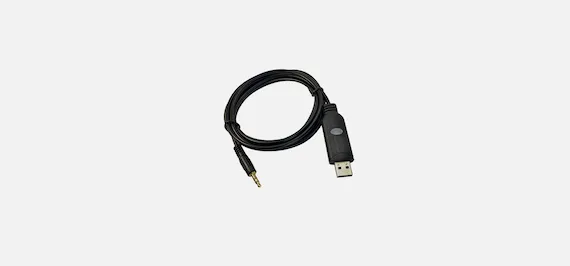
Configuration cable
USB to 3.5mm jack serial cable for local device configuration. FTDI chipset, optically isolated, 1.8 m. Required for first time local setup via the web Wizard intalation tool.
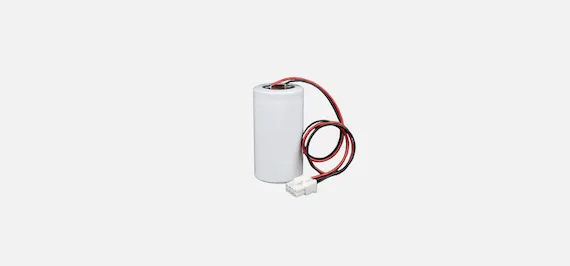
D-cell battery
Replacement D-cell battery, 19 000 mAh, with a JST-XH 2-pin connector compatible with the concertator. Primary lithium cell for long-term battery-powered operation.
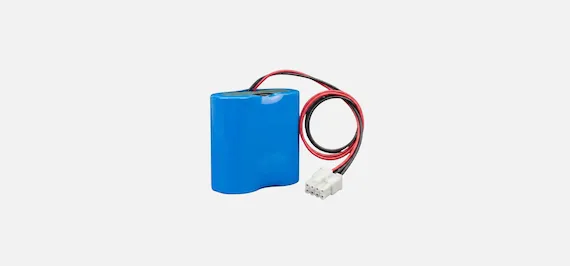
2×D-cell battery
Replacement 2×D-cell battery pack, 38 000 mAh, with a JST-XH 2-pin connector compatible with the ACRIOS concentrator. Double capacity for the longest maintenance-free service life.
ACRIOS platform
Already have a platform? Connect via our API. Need one? We host web platform for device management and data export options compatible with almost any system.
Not sure which accessories you need? Ask us when requesting a sample – we'll include what's relevant for your setup.
Works with meters you already have
Verified with 30+ meter models. Any M-Bus standard-compliant meter should work, these are confirmed in the lab and in the field.
Frequently asked questions
Everything a first-time buyer typically wants to know. If your question isn't here, ask us directly.
No. NB-IoT runs on the public mobile network, so no gateway is needed. The converter connects directly through an NB-IoT SIM card wherever there is operator coverage.
NB-IoT now reaches almost everywhere, including basements and underground spaces. Where signal is weak, an external antenna can be used to improve reception.
The converter supports standard wired M-Bus meters compliant with EN 13757, including heat, water, electricity and gas meters from many manufacturers.
Yes. Sample units are available for testing, pilot projects and integration validation before larger deployments.
No dedicated software is required. The converter sends standard M-Bus data over NB-IoT in an open format and can integrate with your own platform, parsers and cloud systems.
The converter works with any NB-IoT SIM card. You can use your own operator or we can deliver preconfigured devices with a SIM, with NB-IoT data plans available from as little as 1 EUR per year.
Battery life depends on transmission frequency, connected meters and network conditions, but battery-powered variants are designed for multi-year operation.
The converter can be remotely reconfigured over NB-IoT. Meter settings, addresses and communication parameters can be updated without visiting the installation site.
Everything you need to integrate


Scan meters, select data, set intervals. No scripting required.

Integration manuals, protocol specs, installation guides, video tutorials.

Online frame decoder. Paste raw bytes, get parsed values instantly.

Integration manual, including the MQTT M-Bus parser service.

Do you need support? Contact us via our JIRA service desk.
Relevant articles
ILI: what the EU leakage threshold measures

Pulsed water meter: All you need to know
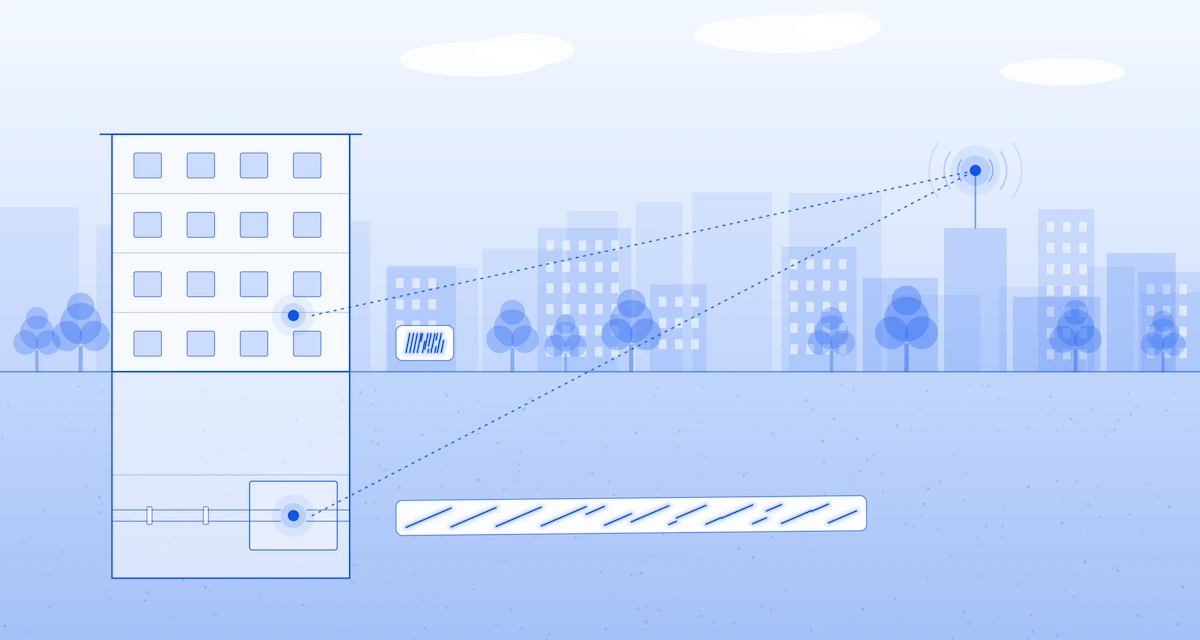
LoRaWAN airtime: why radio conditions matter
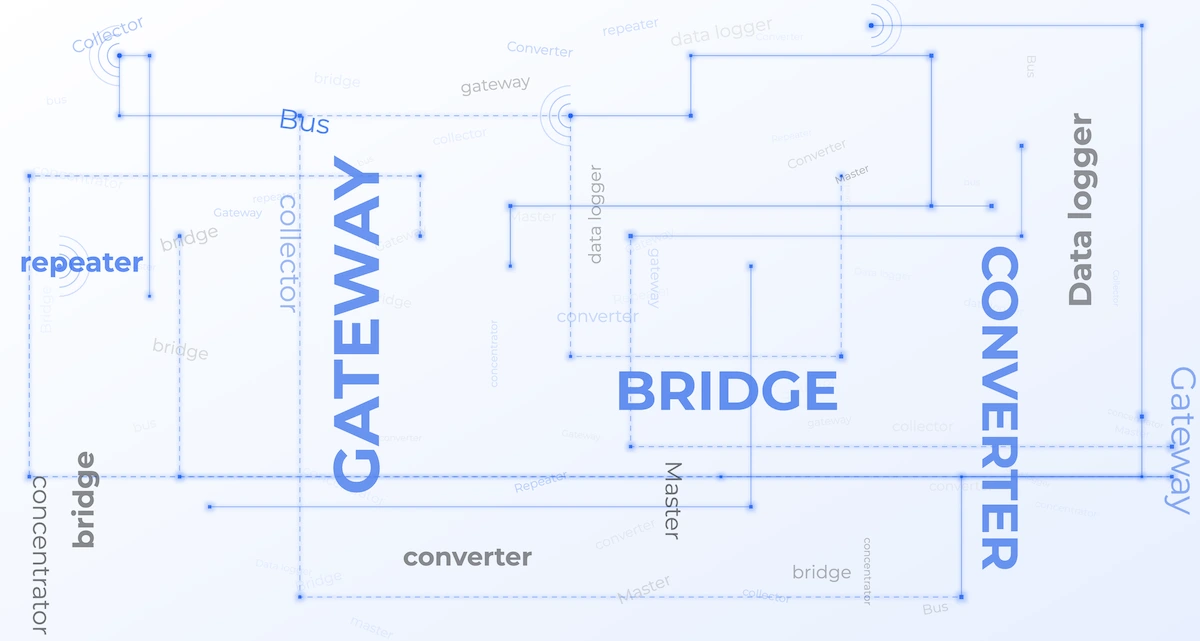
Converter, bus, bridge, gateway: what's the difference?
What actually drains an IoT device battery
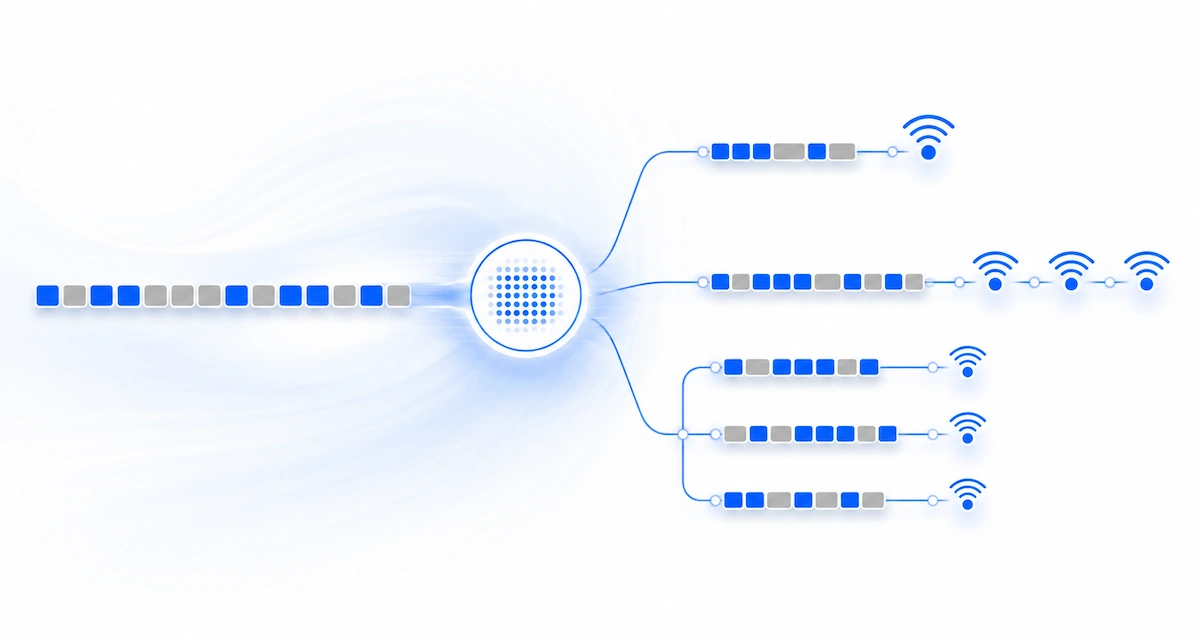
M-Bus parsing strategies for LoRaWAN and NB-IoT
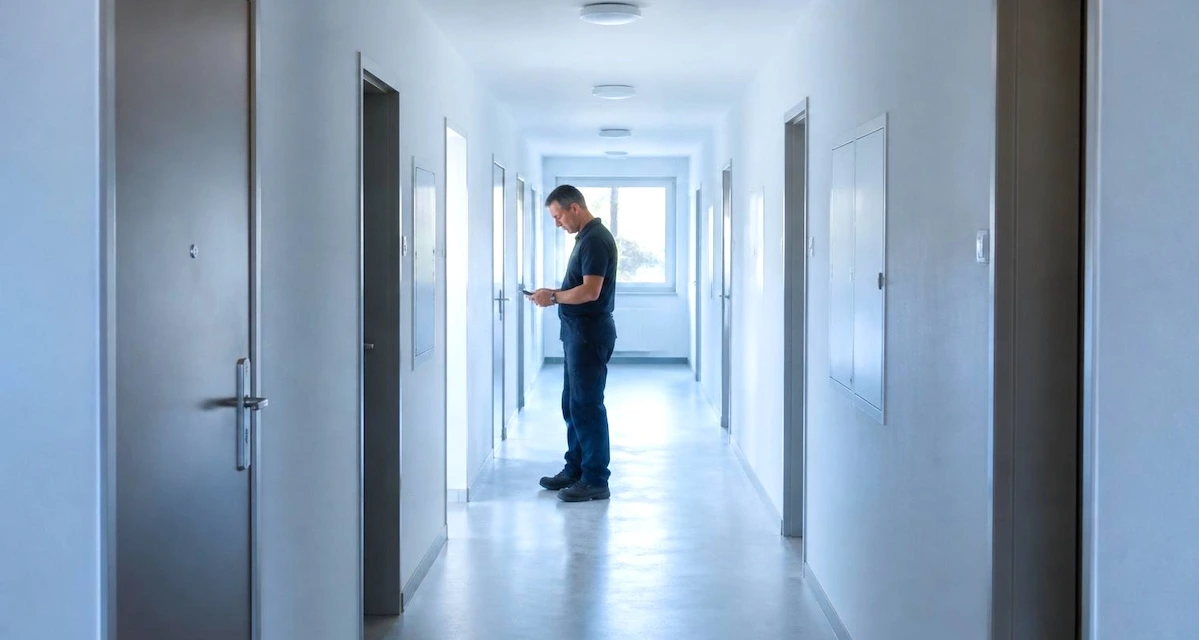
How to best replace walk-by meter reading

Can your existing meters be retrofitted?

Battery life in IoT: beyond the datasheet number
Agile, Waterfall, or NRE? Choosing a development methodology
Developing adaptive IoT communication under the CRA

Focused supplier or large vendor? Depends on the project

Edge computing in IoT metering
Manufacturer as a technology partner

Why a device without an antenna fails

CE certification for IoT: What RED DA changes

Water losses in utility networks: The hidden cost of leaks
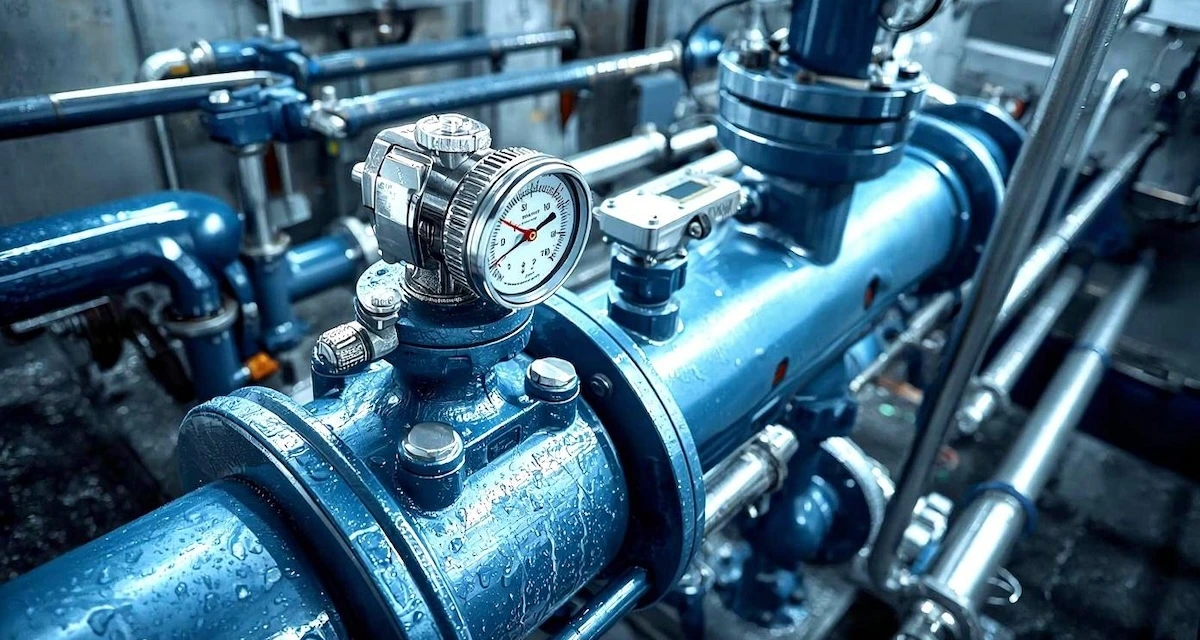
Pressure monitoring in water networks: Early fault detection
M-Bus pressure sensor: Leak detection for water utilities
The cost of measurement data errors and how to prevent them

Smart Readiness Indicator (SRI): All you need to know
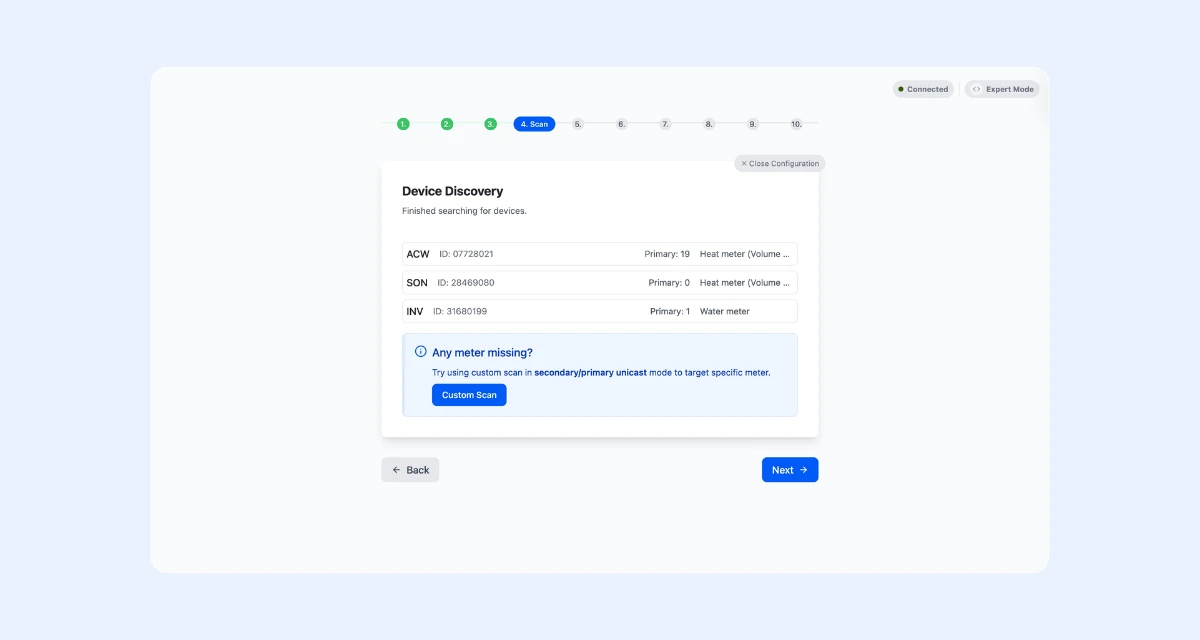
M-Bus installation tool Wizard from ACRIOS
Coulomb meter: Everything you need to know
ACR-EX in water utilities: remote reading of pulse water meters

ACRIOS and Quectel announce partnership

External or internal? How custom development works

Proven deployment of 10,000 wM-Bus converters for EED
Choosing a remote reading system for water utilities
Open data interfaces pay off for reporting and integration

15-minute vs daily meter readings frequency explained
Scripting in IoT: Flexibility, sustainability, and protection

Gas meter data to dashboard: ACR-EX meets Datacake
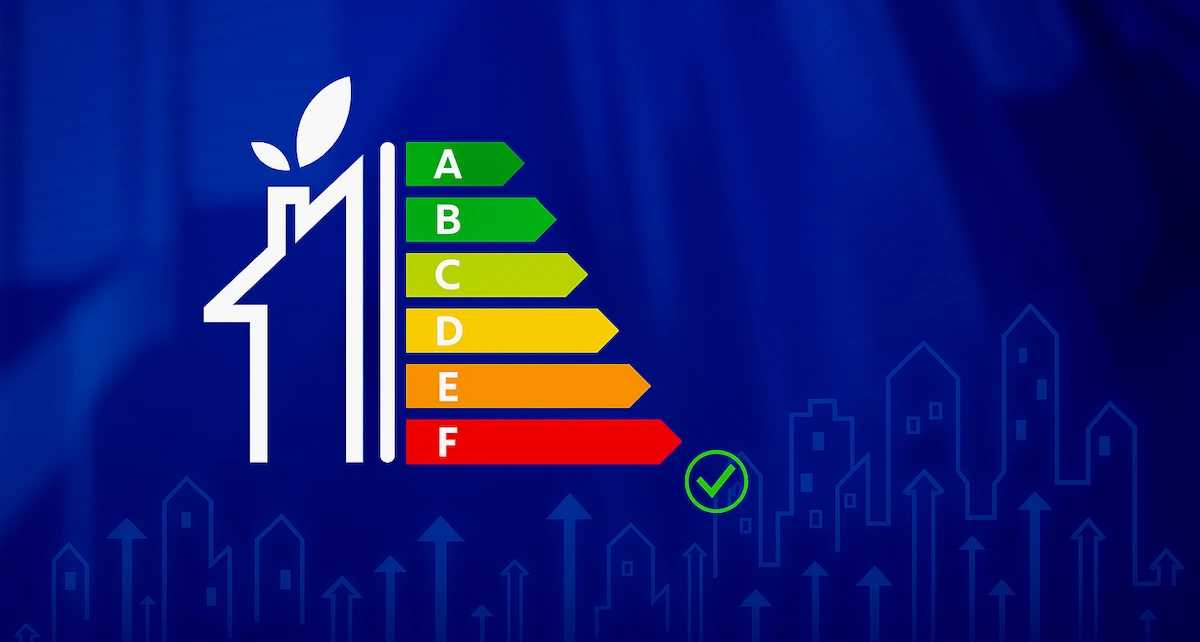
EPBD is coming: what BACS means for your building
When DTLS makes sense. Know before you deploy

Not your keys, not your hardware
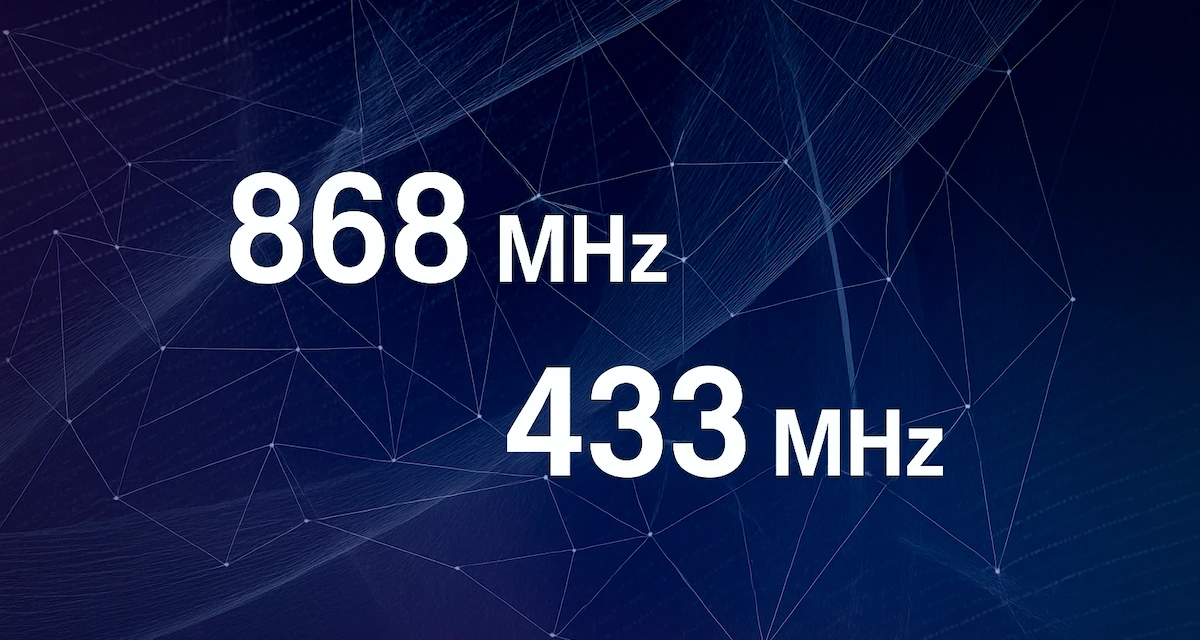
868 MHz or 433 MHz? The right choice for your wM-Bus
Everything you need to know, documented. ACRIOS wiki.
End-to-end custom hardware and software development
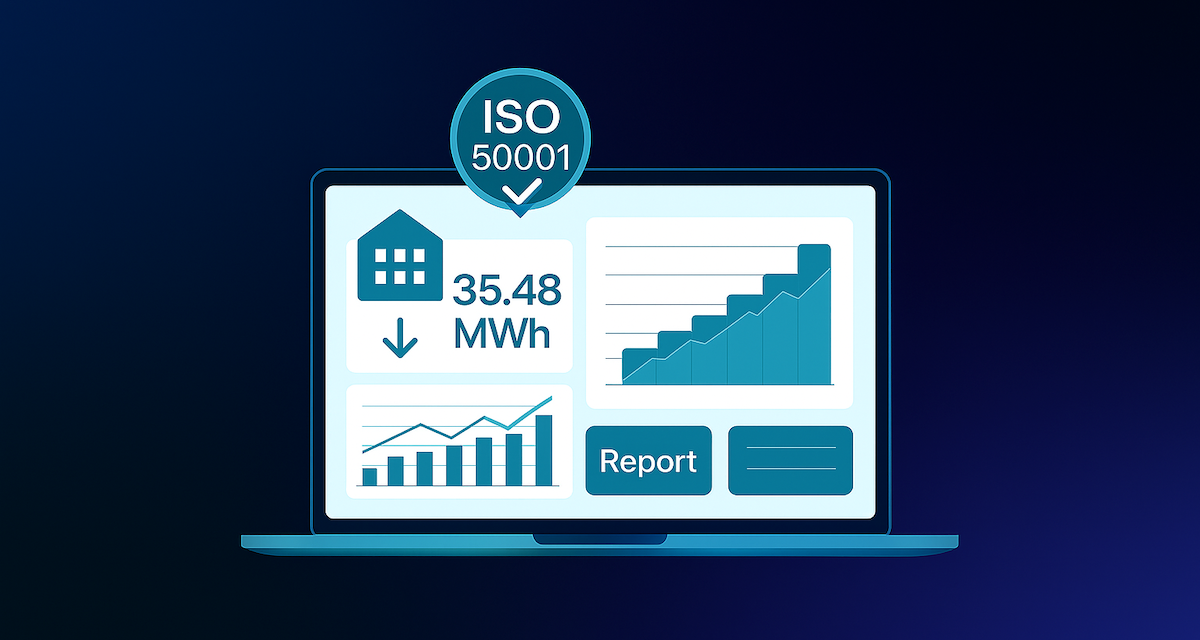
How to collect energy data to support ISO 50001

Lowering IoT TCO through smart manufacturing
Reading Sensus meters with zero hardware changes

Why 15-minute data matters in district heating

Give me a tool that works. Not a manual.

5 most common myths about remote meter reading

Battery-powered vs wired: What really costs more?

Cyber Resilience Act and IoT hardware
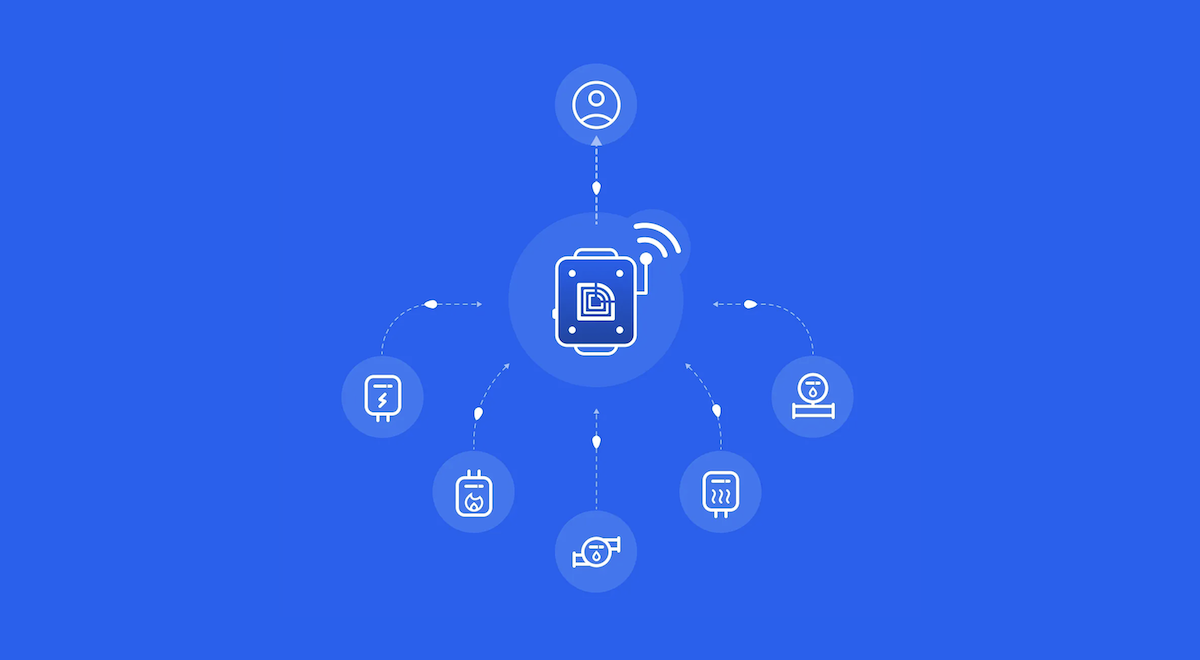
Next-gen meter readings, no replacements needed

Modernising metering infrastructure

M-Bus to IoT integration explained

Understanding TCO: More than just hardware

NB-IoT technology: All you need to know

LoRaWAN: All you need to know

M-Bus, wM-Bus, and RS-485: A technology guide

LoRaWAN vs. NB-IoT: Which technology is right for you?
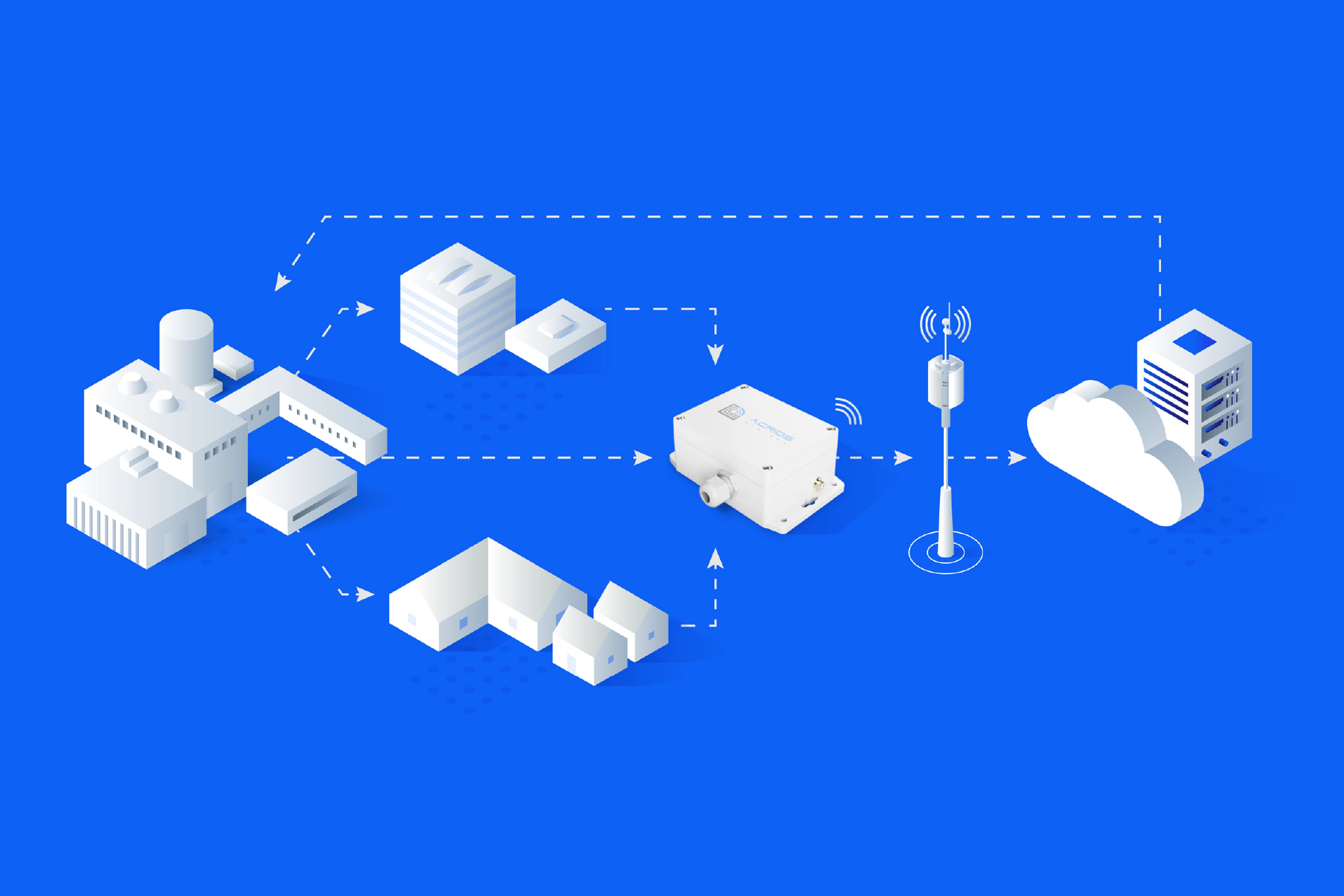
Smart metering: What it is and why it matters

IoT: Technology that saves time and money

ACRIOS Systems unveils its brand-new website.
Get in touch
Ask a technical question, request more information, or tell us about your project. We'll point you to the right person and the right solution.
In touch across Europe
Based in the Czech Republic, working with customers and partners across Europe. Ask us for the right contact in your region.