Bring your wM‑Bus meters to NB-IoT
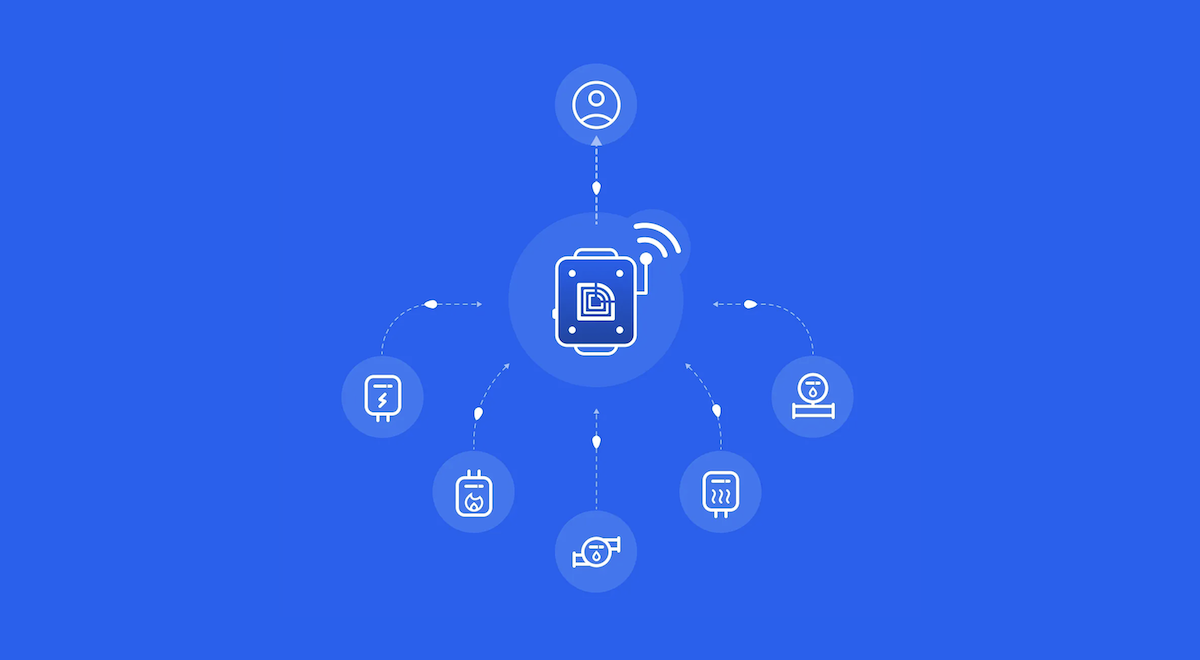
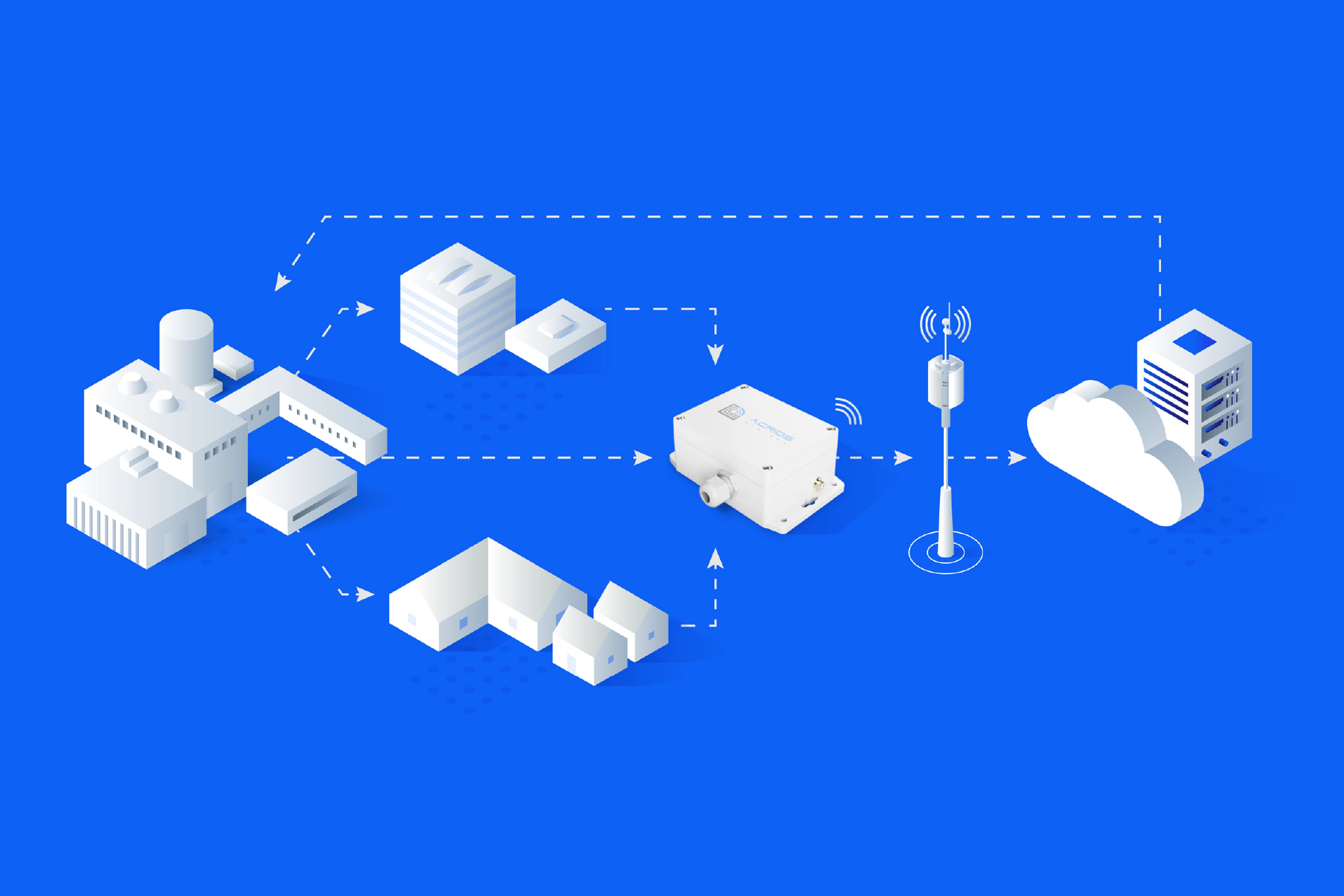
Replace walk-by readings by adding wM-Bus gateway with NB-IoT communication. Gateway supports wM-Bus OMS as well as some proprietary protocols such as Sensus BUP, Metra or Sontex Radian.

Manual reading visits are your real cost
Based on a conservative estimate of €25 per site visit – technician time, travel, and admin – typical for Central European deployments. EED legislation now changes reading intervals to monthly.
Hardware is a one-time cost. Reading visits are eliminated permanently. Year 2+ saving equals the full annual visit cost.
Why wM-Bus to NB-IoT collector

If it speaks OMS, wM-Bus or proprietary, the collector reads it, whatever brand is already on the wall. Mixed manufacturers, one data stream, no vendor lock-in.

From 1. 1. 2027 every flat's heat and hot-water meter must be read remotely. One collector reads the whole building and delivers the monthly data EED demands.

No device-management platform, or no time to integrate? We'll host it and send data straight to your systems, then hand over whenever you're ready.

Devices arrive ready to install, with all the installation material included. Setup takes minutes, with no on-site configuration. Perfect for large-scale rollouts.

EED 2027 is the main reason buildings move to fixed networks, but it's not the whole story. What I see on the market is that the smart service companies don't treat it as a cost, they treat it as an opportunity. With a fixed network the readings arrive on their own: no walk-by, almost no cost per reading. So they offer the monthly reading as part of the service and sell more frequent data as a paid extra. What started as an obligation becomes a new income stream.

Every detail counts in the field
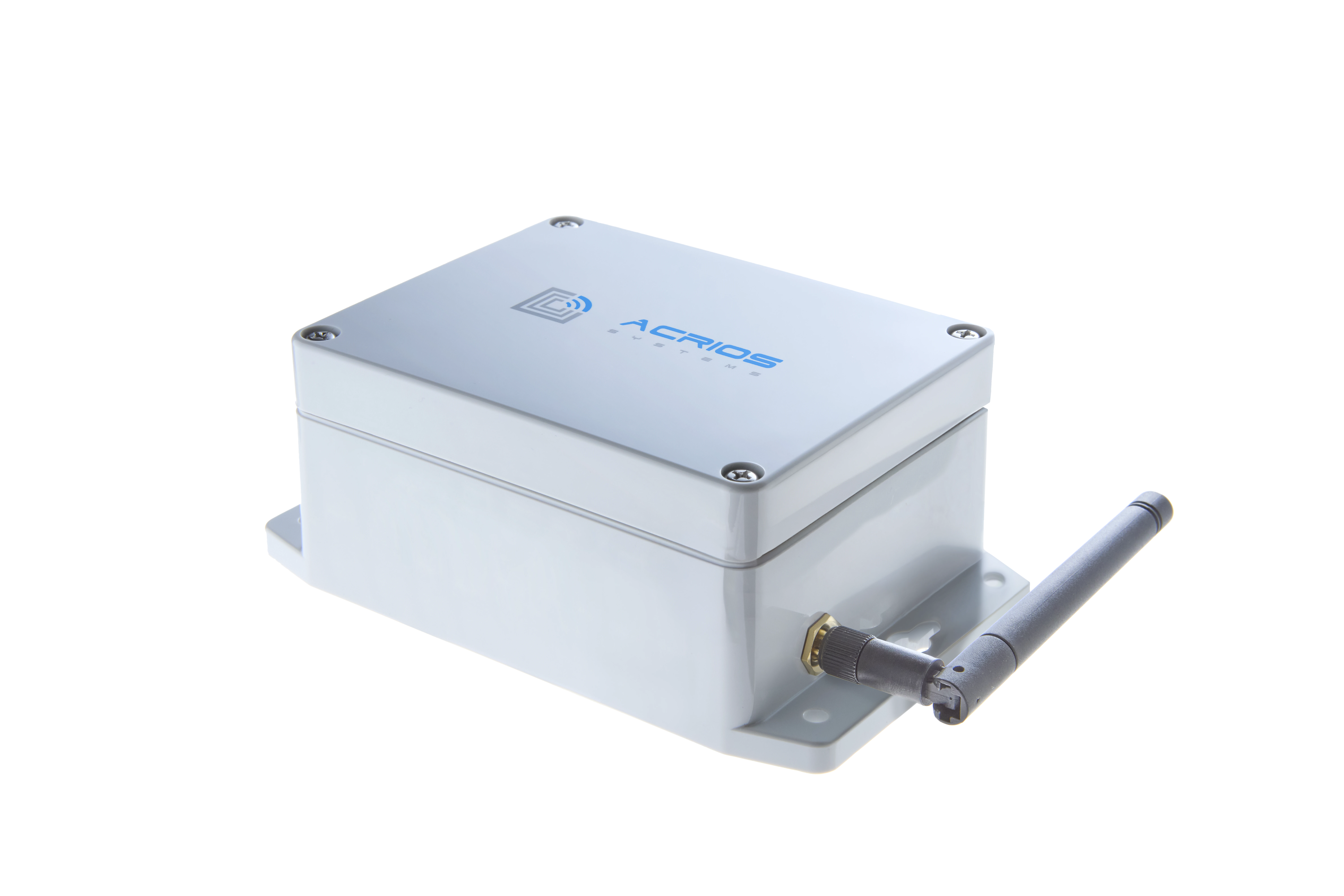
%20to%20NB%E2%80%91IoT_ACR-CV-101NI-W-D2_top.webp)
Built for harsh environments
- IP67 rated – fully waterproof and dustproof; suitable also for basements or outdoor installations
- SMA antenna port – standard connector; extend outside a metal cabinet for full signal when needed
- Captive lid screws – screws stay attached; IP67 seal stays intact during every service visit
- OEM Branding – devices can be supplied with your branding
%20to%20NB%E2%80%91IoT_ACR-CV-101NI-W-D2_battery.webp)
Dual battery for up to 20 years
- FANSO ER34615 dual pack (38 Ah) – double capacity in the same enclosure footprint
- Over 20 years battery life – with daily readings – set it and forget it
- Drop-in swap – same enclosure, plug-in pack; field replacement takes under two minutes
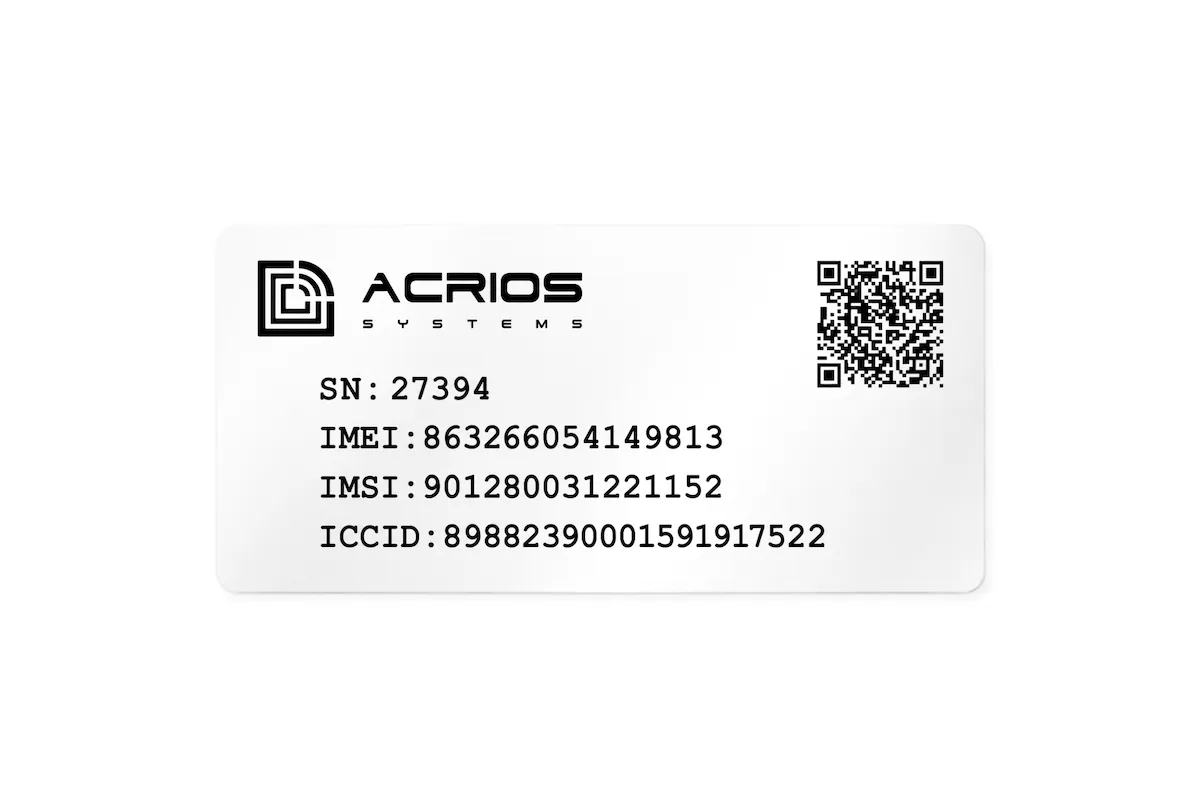
Simple install, full traceability
- Installation sticker – with concentrator credentials simplifies the whole process for the backoffice and the field technician
- Know where the concentrator is – peel off the protective layer and stick it to the printed installation form, so its location is always recorded
- Audit-ready records – every concentrator is documented from day one, keeping your asset database accurate
Set up installations remotely from your back office
You can integrate our devices directly through MQTT or UDP protocol, but you can also use a device management platform we are offering with our devices. This speeds up the onboarding process and allows to create a PoC installations in a matter of minutes.
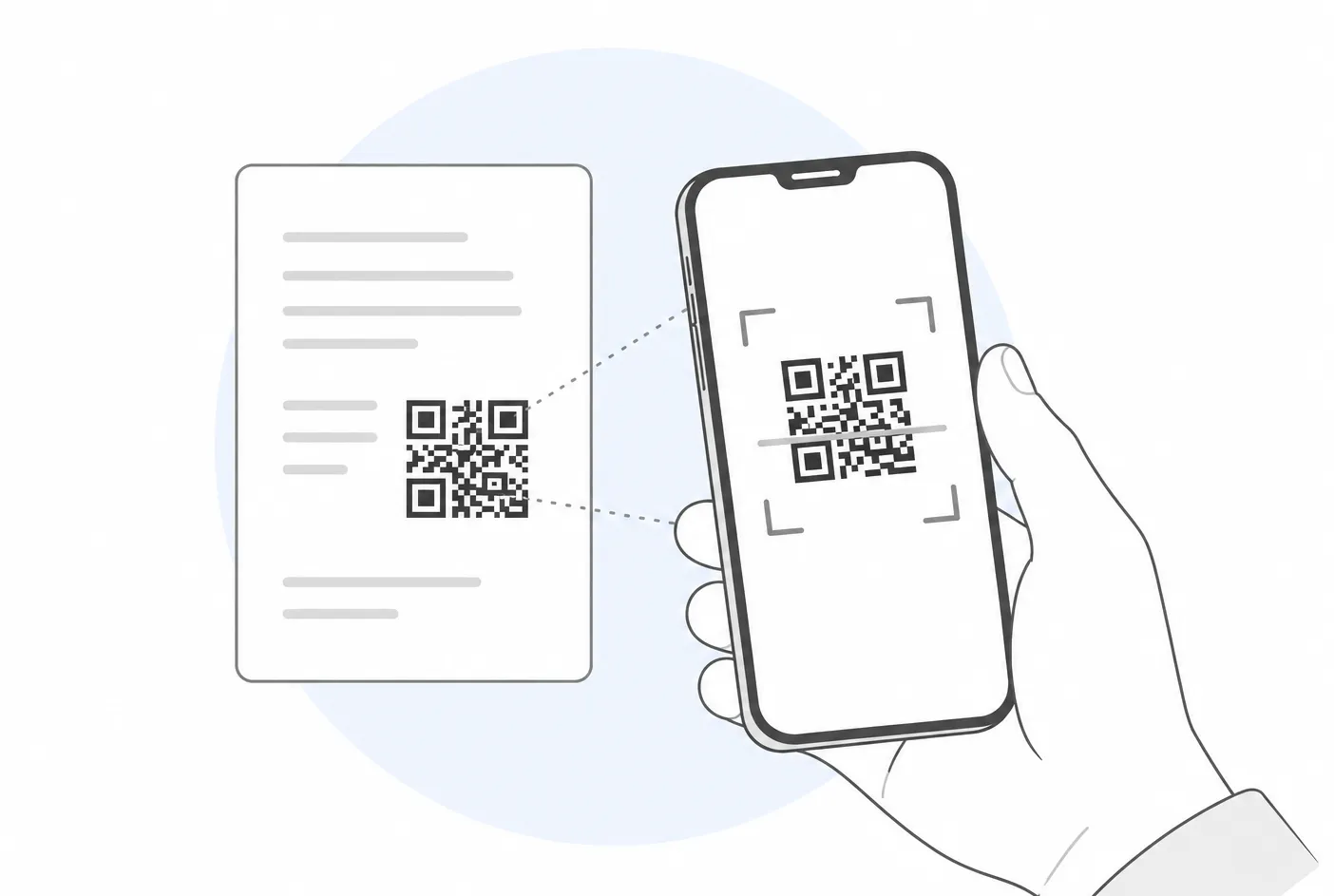
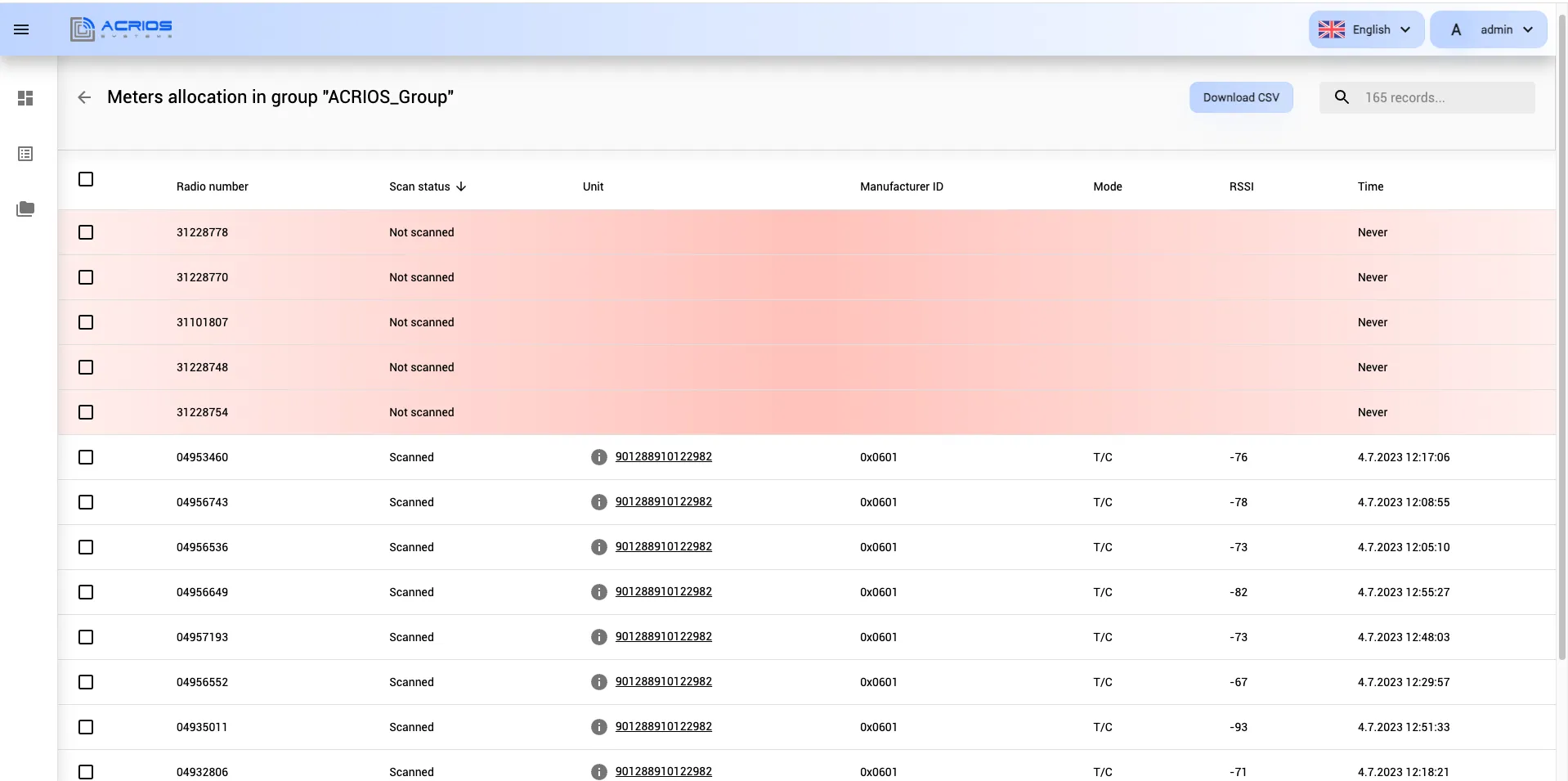
Scan installation protocol
No more shaky handwriting or photos – peel off the installation sticker and stick it onto the installation protocol.
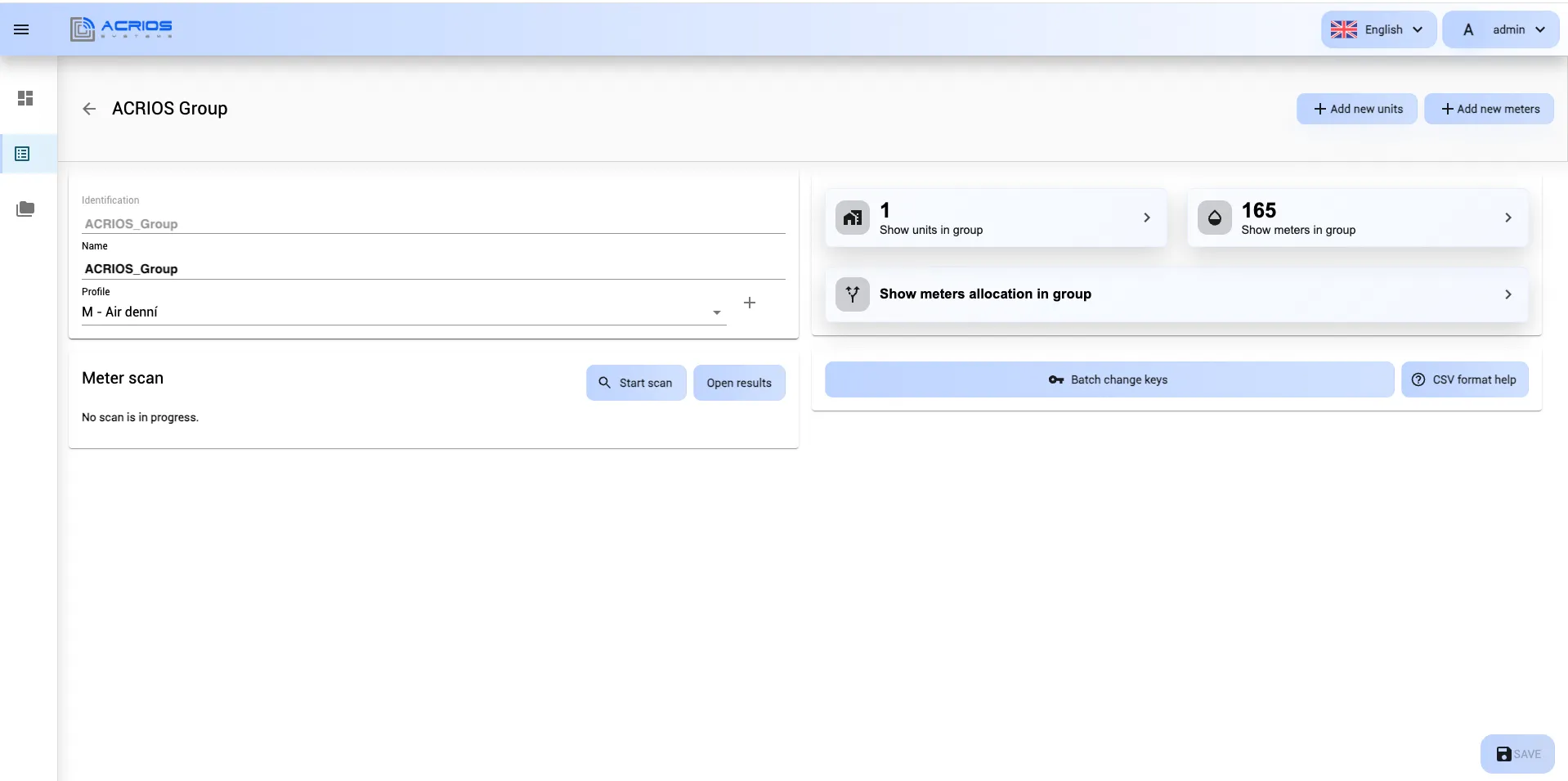
Create installation
To create an installation, just put all meters and concentrators into one group. Nothing else to specify, not even where the devices are.
Get data anywhere you need it
Save the configuration to the device. You can later change or modify the configuration via downlinks.
Why building administrators choose ACRIOS

The converter is fully powered from its own battery. No 230V installation, no inspection, no extra cost.

Beyond wM-Bus OMS meters, we also receive data from proprietary protocols like Sensus BUP, Sontex Supercom, Diehl IZAR and Metra E-RM and E-ITN. This protocol combination is unavailable anywhere else on the market, making it perfect for mixed installations.

The business of building administrators is often not an IT or development of new tools. That's why we can also provide you with our device management tool, reducing the entry barrier to a minimum. You don't need an IT education to get data from your meters.

Designed and produced in the Czech Republic. Full firmware control, Cyber Resilience Act ready, long-term support guaranteed.
The obvious alternative often doesn't exist
Replacing every meter with a LoRaWAN-enabled one sounds great on paper, but it comes with high CAPEX and disruption to your workflow.
Switching to LoRaWAN meters and HCA
- LoRaWAN meters and HCA are only available from a handful of major manufacturers; many models have no module option at all
- You have to replace devices that are still working perfectly and would otherwise stay in service
- You stay locked into recurring replacement waves: every few years a batch of meters reaches the end of its verification period and must be swapped at once, with technicians needing access to every apartment
- LoRaWAN meters and HCA are only available from a handful of major manufacturers; many models have no module option at all
- You have to replace devices that are still working perfectly and would otherwise stay in service
- You stay locked into recurring replacement waves: every few years a batch of meters reaches the end of its verification period and must be swapped at once, with technicians needing access to every apartment
ACRIOS wM-Bus converter
- Works with almost any radio-equipped meter or HCA already in the building
- No need to replace devices, so you avoid disruptive installation waves and entering every apartment
- From €1,7 per connected meter, at full capacity, the cost per meter is a fraction of any NB-IoT radio module
- Install the concentrator in common areas; no need to access individual apartments
For wired M-Bus, pulse or Modbus meters, ACRIOS makes converters for those protocols too. Ask us if your site has mixed meter types.
- Works with almost any radio-equipped meter or HCA already in the building
- No need to replace devices, so you avoid disruptive installation waves and entering every apartment
- From €1,7 per connected meter, at full capacity, the cost per meter is a fraction of any NB-IoT radio module
- Install the concentrator in common areas; no need to access individual apartments
For wired M-Bus, pulse or Modbus meters, ACRIOS makes converters for those protocols too. Ask us if your site has mixed meter types.
Plug into your existing platform. No middleware required.
The converter sends standard wM-Bus frames over NB-IoT, any system that works with M-Bus can parse them directly. No ACRIOS software required. An optional management platform is available if you need it.
Direct integration into your platform
Connect the converter straight to your existing BMS, SCADA, or IoT platform. The device transmits UDP or MQTT packets with wM-Bus data. Protocol is fully documented.
- Compatible with Vodafone, Elisa, Miotiq and other
- No license, no lock-in, no ongoing fees
- UDP or MQTT protocol
ACRIOS Platform
If you don't have a platform yet, or need a dedicated metering management layer, ACRIOS offers a hosted web platform for device management, group allocation, and data export.
- Hosted by ACRIOS or deployed on your servers
- Installation & unit management
- REST API for custom integrations (OAS3)
- Used in production across water utilities and building operators
Works with any NB-IoT network
Wireless M‑Bus (wM‑Bus) to NB‑IoT concentrator uses UDP or MQTT protocol over NB-IoT. Any NB-IoT network can receive and forward the frames. A step-by-step integration guide is available for the MQTT integration.
Trusted by teams across Europe
One converter reads hundreds of wM-Bus meters across the building, and we manage everything remotely over NB-IoT. It cut our on-site visits dramatically.

DEPLOYMENT
We successfully integrated the ACRIOS converter in our smart metering project, seamlessly connecting hundreds of meters. Performance and stability have been outstanding, even in challenging environments.
We were searching for a way to connect existing M-Bus meters to our NB-IoT network and found the solution provided by ACRIOS valuable for exactly these use cases.
Specifications
Hardware
Order codes
Supported features
- Support for wM-Bus, wM-Bus OMS, Sensus BUP, Sontex Supercom and Apator Metra protocols
- Supports S-mode, T-mode and C-mode
- Reads up to 800 devices per converter
- Covers up to 5 floors depending on the building type
- Dual D-cell batteries provide over 10 years of life with daily readings Monday to Friday
- NB-IoT (Narrow Band) communication with the possibility to use any NB-IoT SIM card
- Internal NB-IoT antenna eliminates the need for two external antennas
- External SMA connector lets you extend the wM-Bus antenna into hard-to-reach places
- Filtering by meter ID, manufacturer ID, or meter type
- Telegram filtering by type, CI field, DIF/VIF or content
- Scheduled readings within a calendar
- Remote configuration and meter re-pairing over NB-IoT, with no need for local configuration
- Firmware updates over the air via the NB-IoT network (FUOTA)
- Transparent wM-Bus bridge, discovery scan, active error reporting and NB-IoT network failure recovery
- Open data output in JSON, CSV or API formats for direct integration into your system
- Pre-configured at manufacturing with your SIM card, battery and settings, ready for direct installation
Everything you might need on site
Optional accessories available directly from ACRIOS. Ask us when ordering.
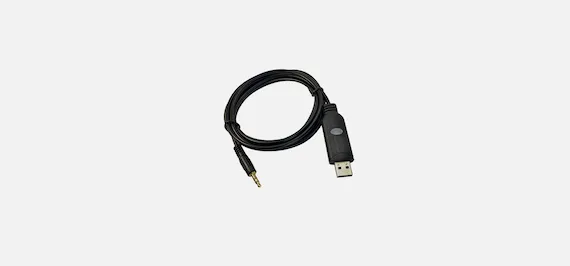
Configuration cable
USB to 3.5mm jack serial cable for local device configuration. FTDI chipset, optically isolated, 1.8 m. Required for first time local setup via the web Wizard intalation tool.
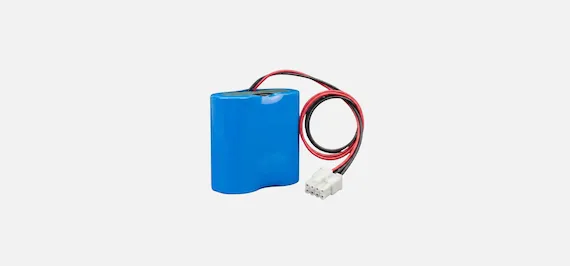
2×D-cell battery
Replacement 2×D-cell battery pack, 38 000 mAh, with a JST-XH 2-pin connector compatible with the ACRIOS concentrator. Double capacity for the longest maintenance-free service life.
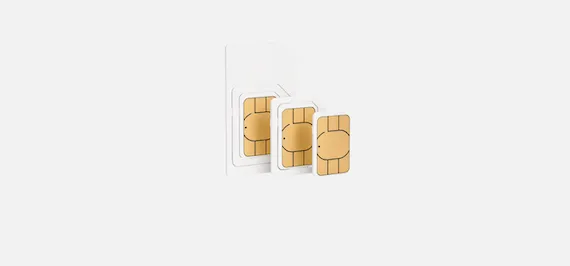
NB-IoT SIM card
NB-IoT SIM card, prepaid for 10 years with an account under your company name.
ACRIOS platform
Already have a platform? Connect via our API. Need one? We host web platform for device management and data export options compatible with almost any system.
Not sure which accessories you need? Ask us when requesting a sample – we'll include what's relevant for your setup.
Works with meters you already have
Verified with 30+ meter models. Any M-Bus standard-compliant meter should work, these are confirmed in the lab and in the field.
Frequently asked questions
Everything a first-time buyer typically wants to know. If your question isn't here, ask us directly.
No gateway is needed. The converter receives wM-Bus radio telegrams from your meters and transmits the data over the public NB-IoT network through an NB-IoT SIM card, wherever there is operator coverage.
NB-IoT now reaches almost everywhere, including basements and underground spaces. Where signal is weak, an external antenna can be used to improve reception.
The converter supports the open wM-Bus standard in S, T and C modes, plus selected proprietary protocols such as Sensus BUP, Sontex Supercom and Apator Metra. This covers water, heat and submetering devices from many manufacturers.
No dedicated software is required. The converter sends data over NB-IoT in open formats, so it integrates with your own platform, parsers and cloud systems.
The converter works with any NB-IoT SIM card. You can use your own operator or we can deliver preconfigured devices with a SIM, with NB-IoT data plans available from as little as 1 EUR per year.
The dual D-cell battery pack is designed for over 10 years with daily readings from Monday to Friday. Actual life depends on reading frequency and the number of connected meters.
The converter can be remotely reconfigured over NB-IoT. Meter settings, addresses and communication parameters can be updated without visiting the installation site.
Yes. Sample units are available for testing, pilot projects and integration validation before larger deployments.
Everything you need to integrate


Integration manuals, protocol specs, installation guides, video tutorials.

Integration manual, including the MQTT M-Bus parser service.

Online frame decoder. Paste raw bytes, get parsed values instantly.
Scan meters, select data, set intervals. No scripting required.

Do you need support? Contact us via our JIRA service desk.
Relevant articles
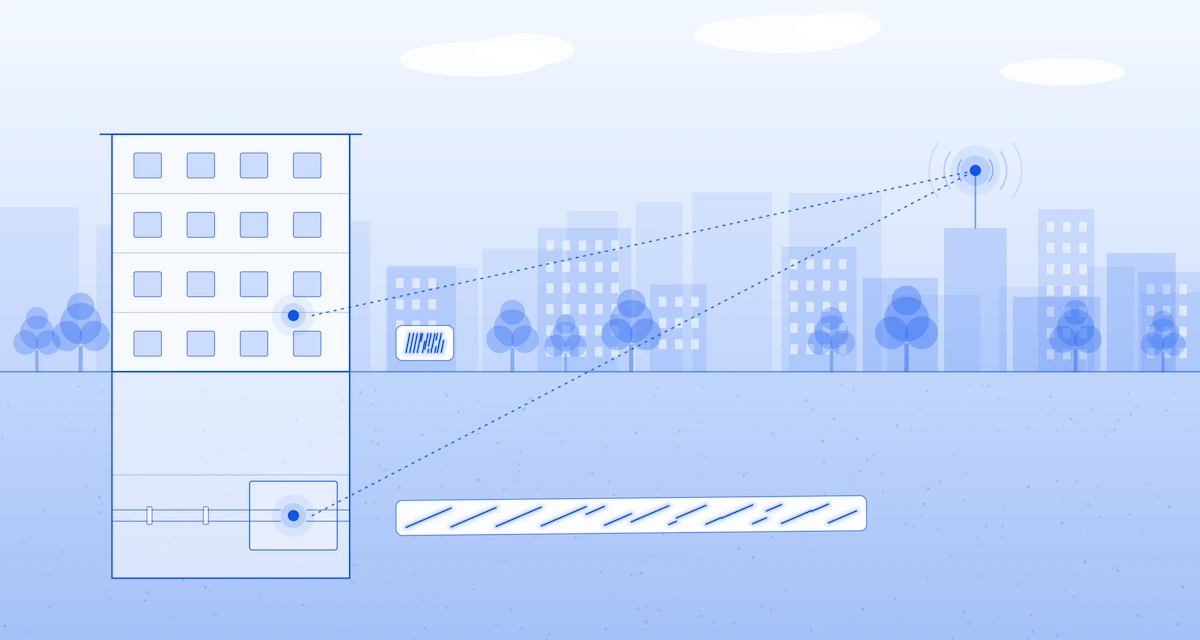
LoRaWAN airtime: why radio conditions matter
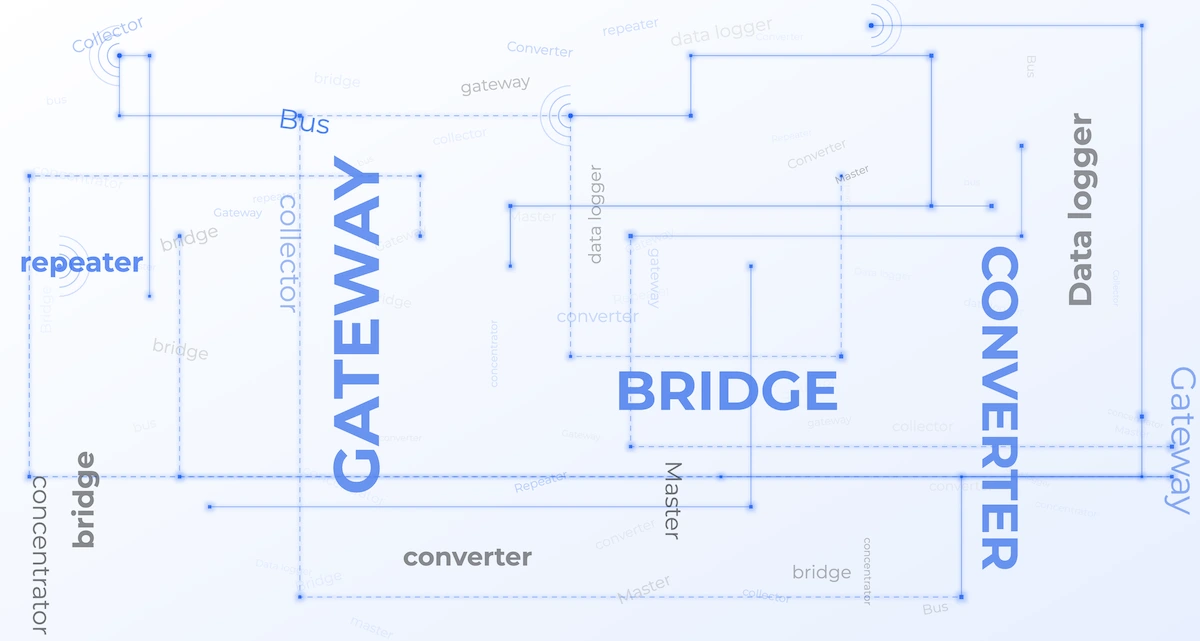
Converter, bus, bridge, gateway: what's the difference?
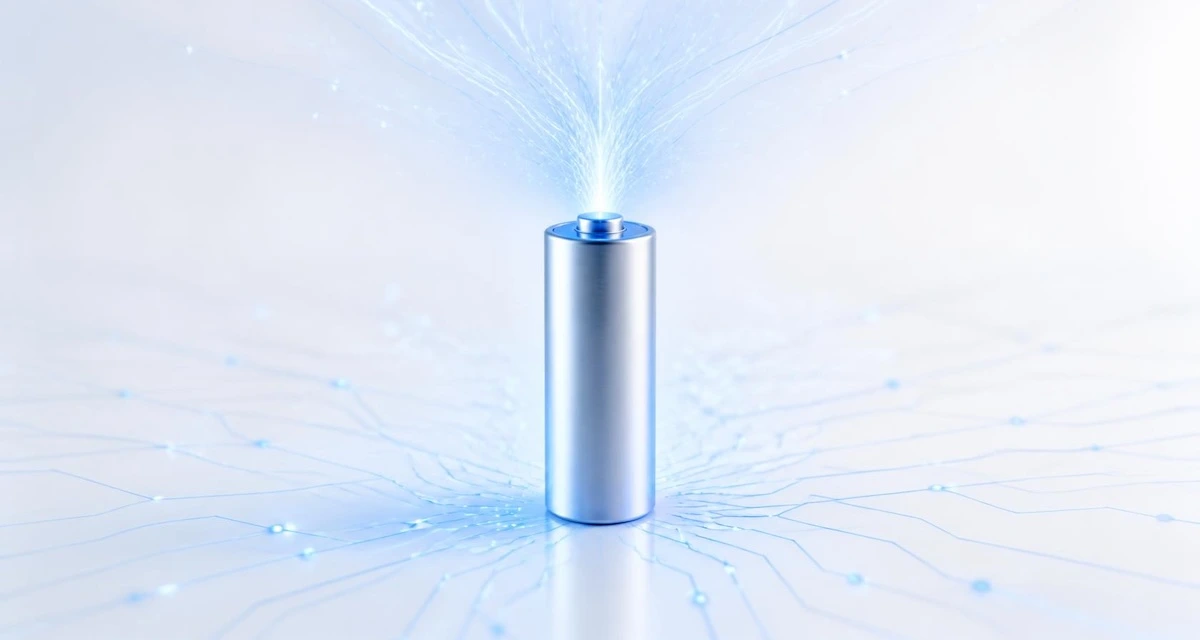
What actually drains an IoT device battery
M-Bus parsing strategies for LoRaWAN and NB-IoT
How to best replace walk-by meter reading

Can your existing meters be retrofitted?

Battery life in IoT: beyond the datasheet number
Agile, Waterfall, or NRE? Choosing a development methodology

Developing adaptive IoT communication under the CRA

Focused supplier or large vendor? Depends on the project

Edge computing in IoT metering
Manufacturer as a technology partner

Why a device without an antenna fails

CE certification for IoT: What RED DA changes

Water losses in utility networks: The hidden cost of leaks
Pressure monitoring in water networks: Early fault detection
M-Bus pressure sensor: Leak detection for water utilities
The cost of measurement data errors and how to prevent them

Smart Readiness Indicator (SRI): All you need to know
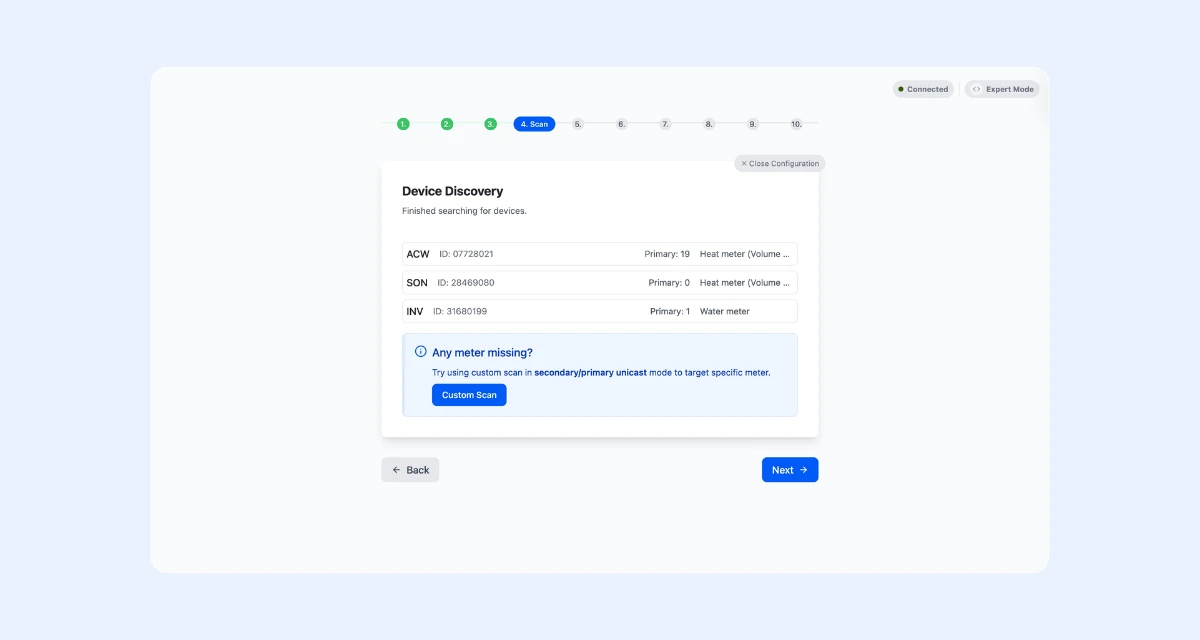
M-Bus installation tool Wizard from ACRIOS

Coulomb meter: Everything you need to know
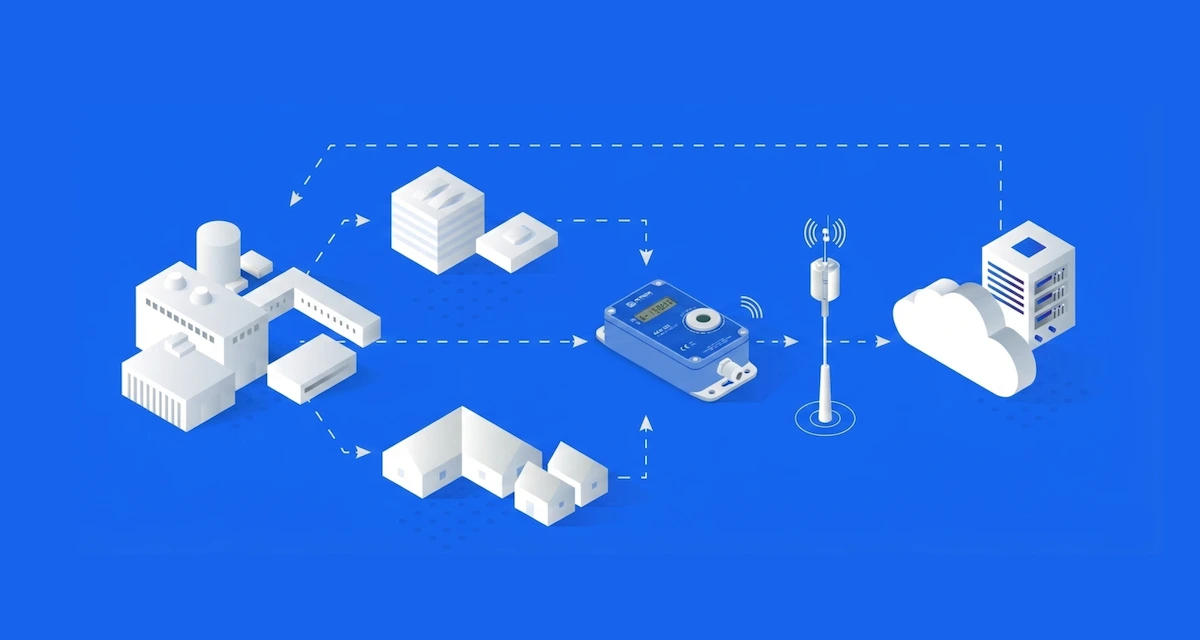
ACR-EX in water utilities: remote reading of pulse water meters

ACRIOS and Quectel announce partnership

External or internal? How custom development works
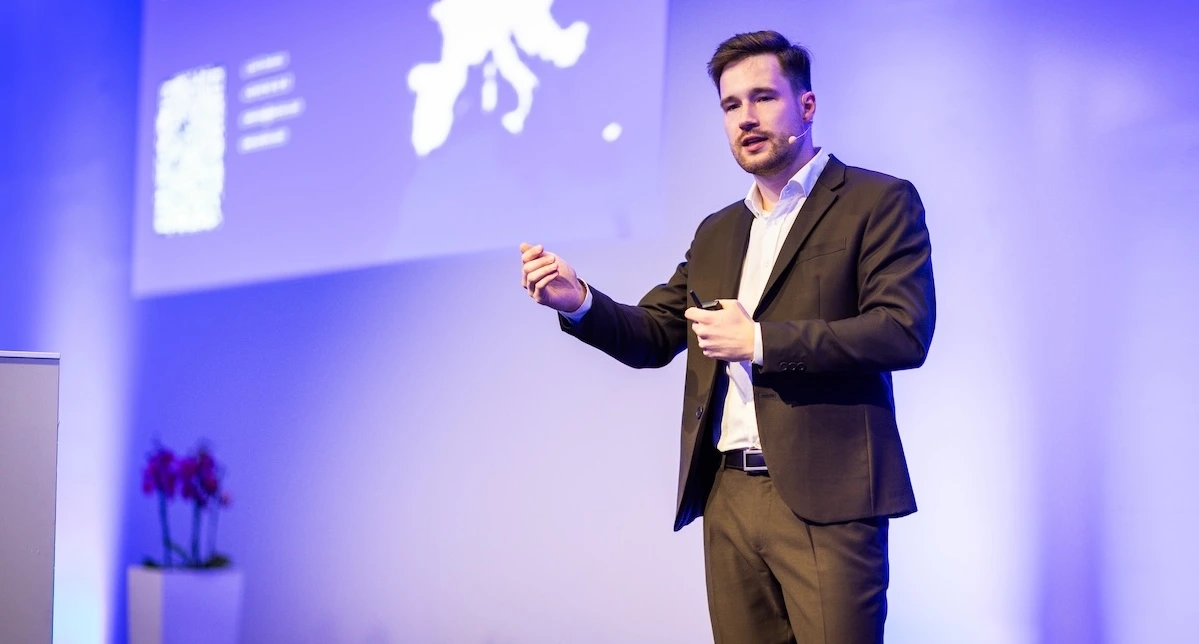
Proven deployment of 10,000 wM-Bus converters for EED
Choosing a remote reading system for water utilities
Open data interfaces pay off for reporting and integration

15-minute vs daily meter readings frequency explained
Scripting in IoT: Flexibility, sustainability, and protection

Gas meter data to dashboard: ACR-EX meets Datacake
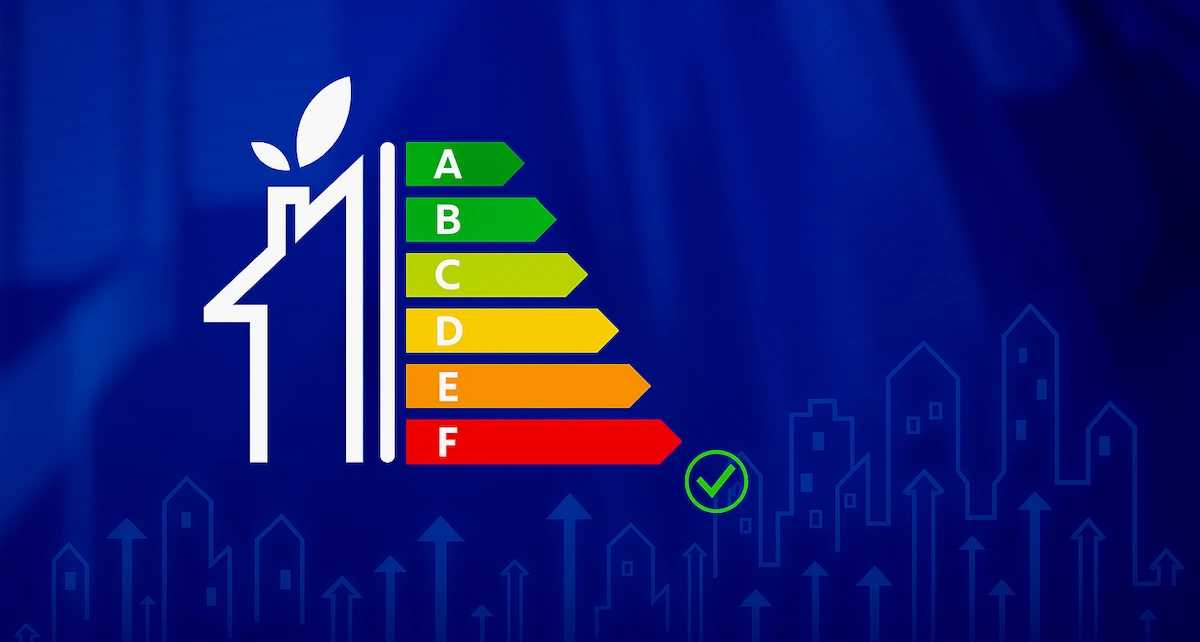
EPBD is coming: what BACS means for your building
When DTLS makes sense. Know before you deploy

Not your keys, not your hardware
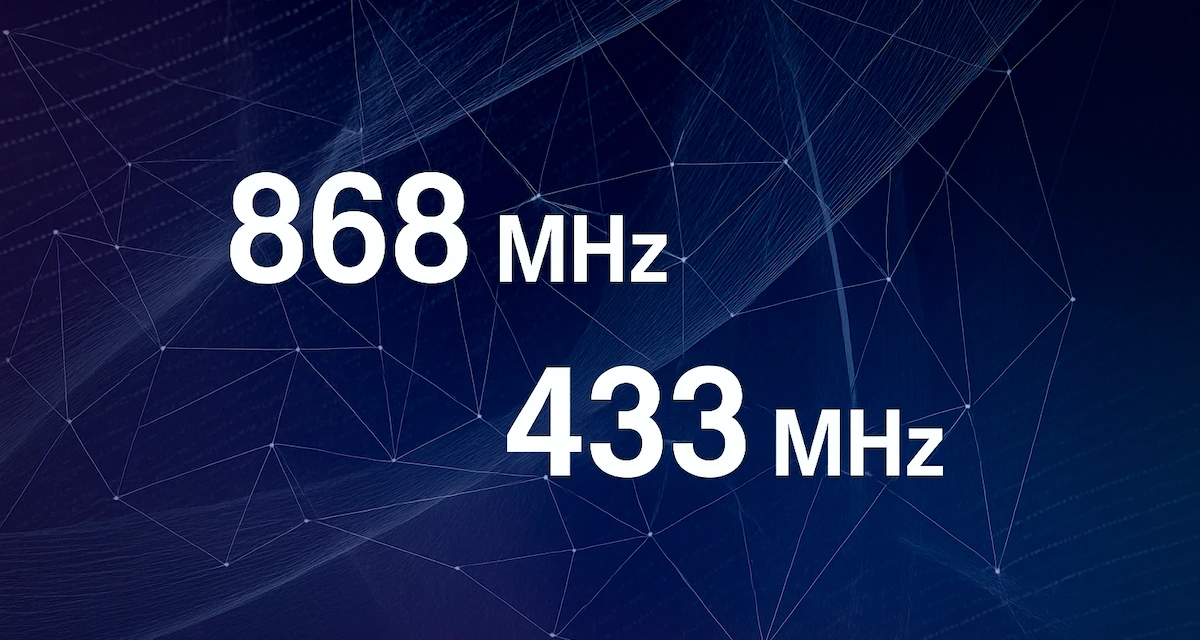
868 MHz or 433 MHz? The right choice for your wM-Bus
Everything you need to know, documented. ACRIOS wiki.
End-to-end custom hardware and software development
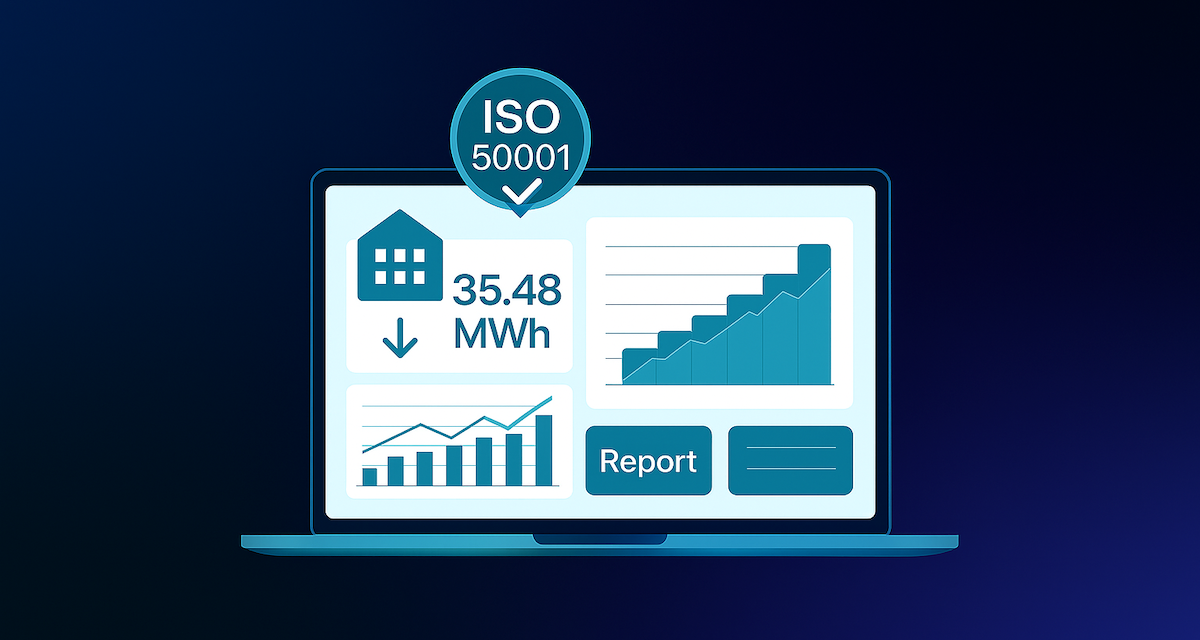
How to collect energy data to support ISO 50001

Lowering IoT TCO through smart manufacturing
Reading Sensus meters with zero hardware changes

Why 15-minute data matters in district heating

Give me a tool that works. Not a manual.

5 most common myths about remote meter reading

Battery-powered vs wired: What really costs more?

Cyber Resilience Act and IoT hardware
Next-gen meter readings, no replacements needed

Modernising metering infrastructure

M-Bus to IoT integration explained

Understanding TCO: More than just hardware

NB-IoT technology: All you need to know

LoRaWAN: All you need to know

M-Bus, wM-Bus, and RS-485: A technology guide

LoRaWAN vs. NB-IoT: Which technology is right for you?
Smart metering: What it is and why it matters

IoT: Technology that saves time and money

ACRIOS Systems unveils its brand-new website.
Get in touch
Ask a technical question, request more information, or tell us about your project. We'll point you to the right person and the right solution.
In touch across Europe
Based in the Czech Republic, working with customers and partners across Europe. Ask us for the right contact in your region.