Retrofit gas meters over NB-IoT
ATEX-certified for EX zone 2. Add remote reading to any gas meter with a pulse output. No gateway, no new meter, no site visits. On-device display and a 10-year battery. The same hardware also covers water and industrial metering without ATEX, at a lower price.

Manual reading visits are your real cost
The meter itself is not the cost. The manual reading is: time, travel, and admin, month after month. A retrofit removes those visits and pays for itself. Figures below use a conservative €40 per visit and the ATEX variant at €175. Western Europe runs higher.
Hardware is a one-time cost. Reading visits are eliminated permanently. Year 2+ saving equals the full annual visit cost.
Built for these situations

Restaurants, small factories, and distribution points. The ATEX variant installs in EX zone 2 and retrofits the meter you already have.

Any water meter with a pulse output reports daily over NB-IoT. No gateway to deploy and no external antenna to break.

S0 pulse or Wiegand outputs from sub-meters and process equipment, read on a fixed hourly schedule with min/max flow detection.

Keep the certified meter in place and add connectivity. Remote reading without the cost and downtime of a swap.

We built this for gas first, together with the utilities themselves. The display matters more than people expect. A technician on site can read the value and confirm the device works without a laptop or an app. The same hardware covers water and general metering, just without the ATEX certification and at a lower price. One pulse input per device, done properly.

Every detail counts in the field
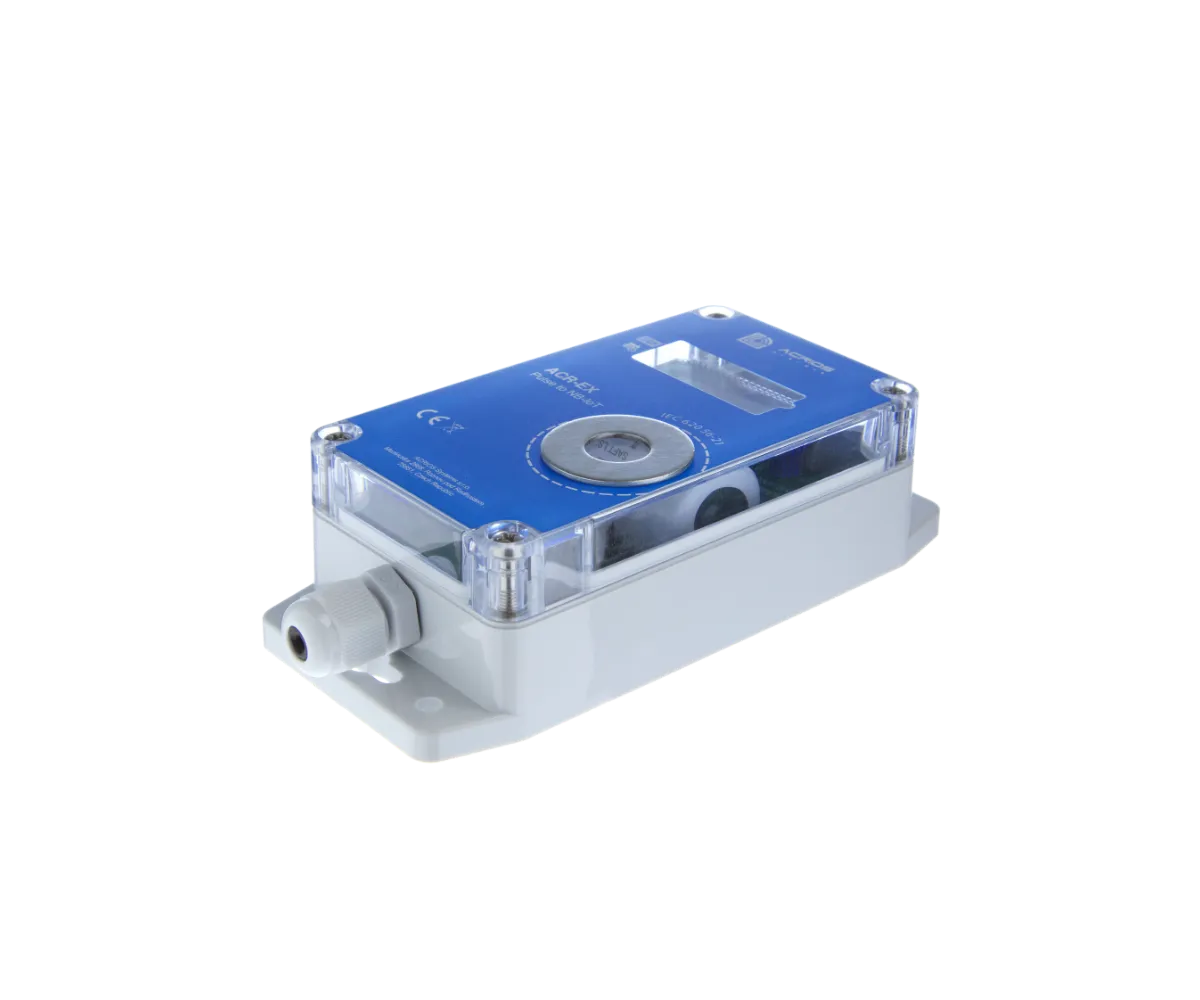
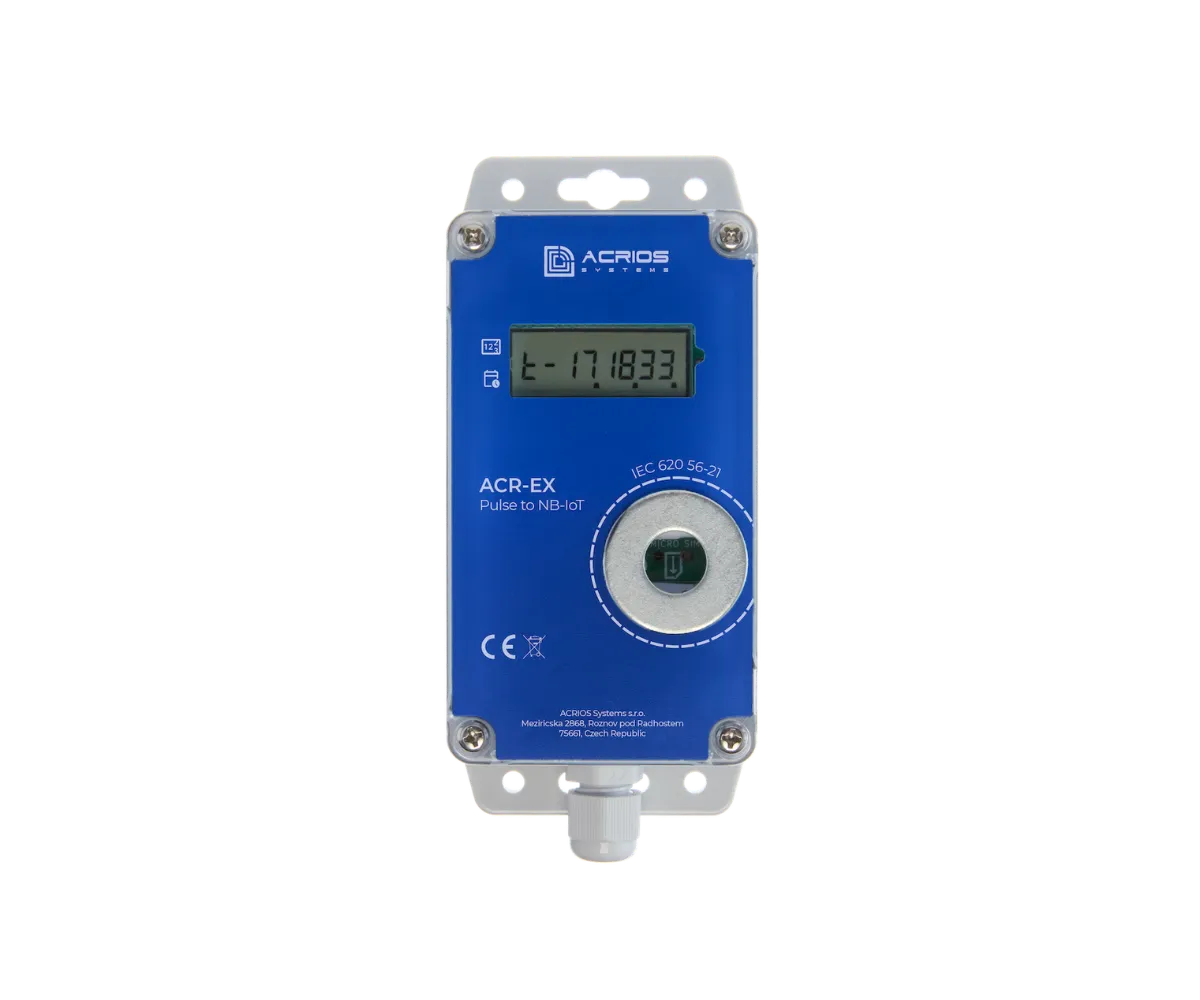
Certified for gas – ATEX Zone 2
- Ex II 3G · Ex ic IIA T4 Gc – install directly in EX zone 2, where gas metering needs it.
- Developed with gas companies – built around real gas-utility requirements.
- Optical configuration – safe local configuration in hazardous areas.
- Standard variant available – the ACR-EX-200 drops ATEX for water and general use at a lower price
Display you can easily read on site
- 8-digit LCD – check current volume, device ID, and time without a laptop or app.
- Internal antenna – nothing to break or snag; the whole device is sealed.
- IP68 submersion-rated – for the harshest meter pits.
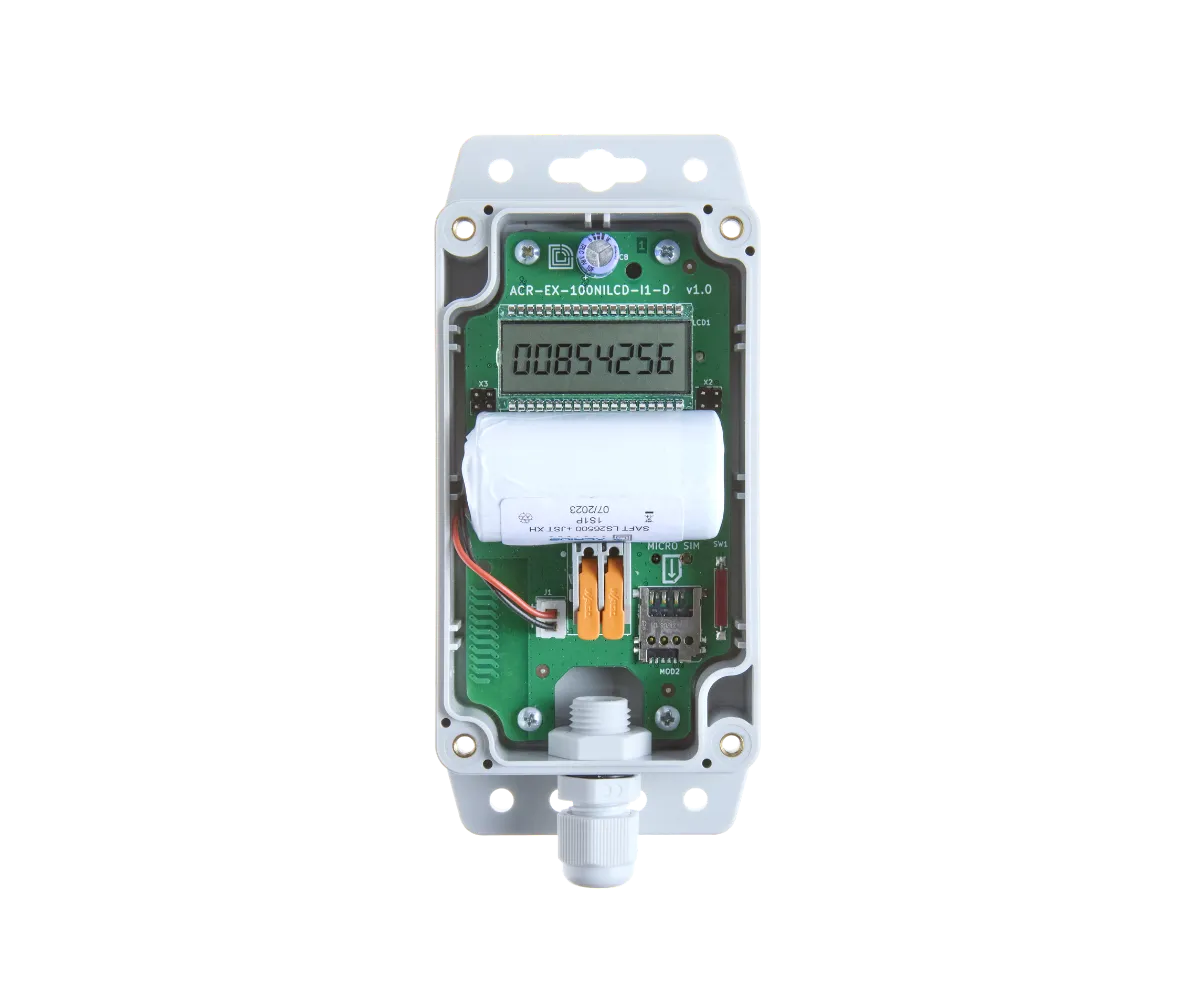
10-year battery with coulomb counter
- C-Cell, 8 500 mAh – 10 years battery life at hourly reading and daily sending.
- WAGO connector – tool-free wiring with electronic and mechanical polarity protection.
- Coulomb counter – measures real consumption, warns before the battery runs out.
- User-replaceable – standard C-Cell with JST-XH connector, no ACRIOS dependency.
Configure on site or over the air
The device is configured via a fully documented IEC protocol over its optical interface. You integrate it with your own toolset, no third-party configuration application required.
Local setup over the optical head
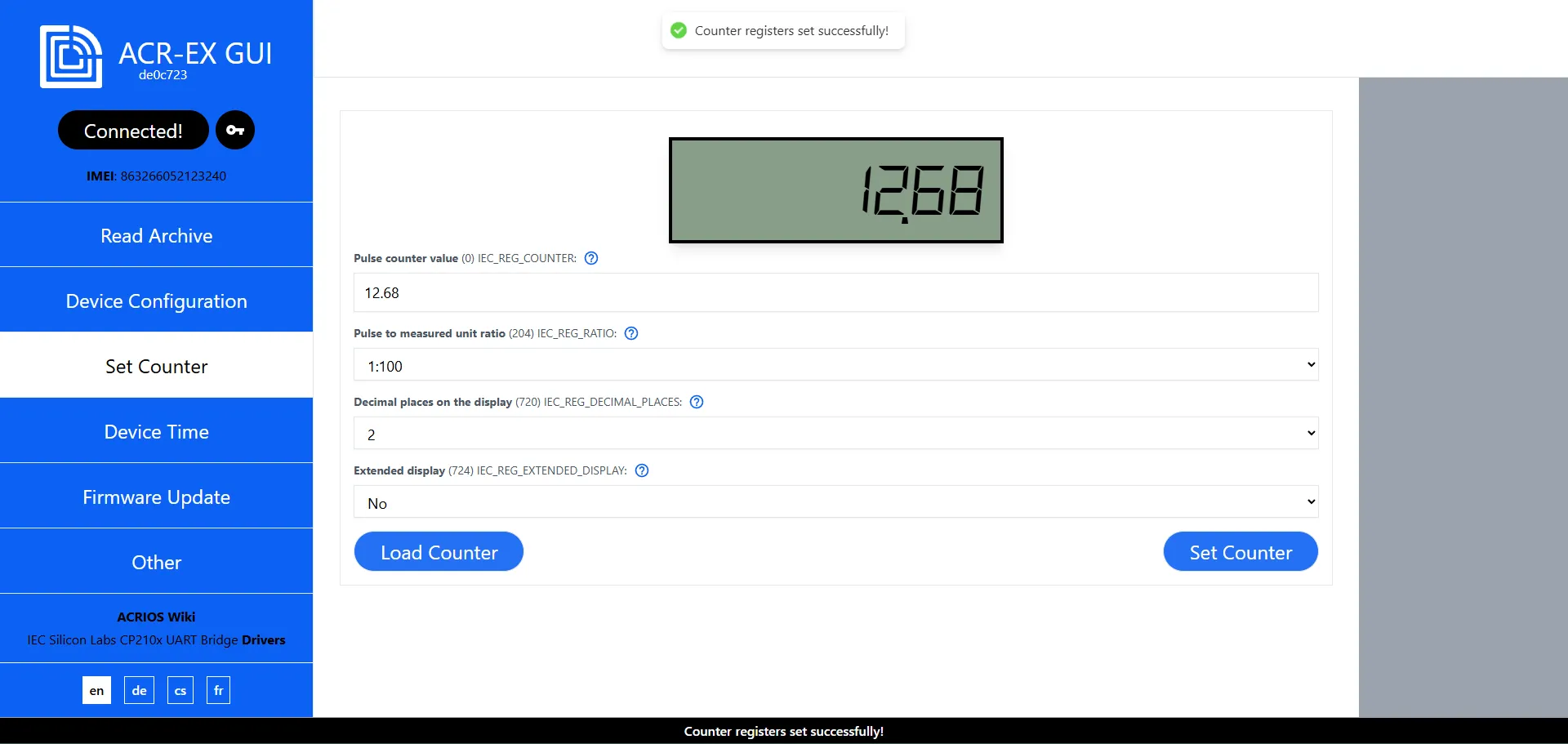
Connect an IEC 62056-21 optical head, password protected. In EX zone 2 use a certified optical probe. Read the archive, set the counter, assign the device ID.
Set the parameters you need
Pulse ratio, reading and sending intervals, min/max flow detection, and network parameters including your private APN.
Update remotely with FUOTA
Push configuration and firmware over the NB-IoT network. No return visit, no changes to the installation.

Why installers choose retrofit

An 8-digit LCD shows volume, device ID, and time. Anyone on site can confirm the retrofit works without any tools.

The device measures real power draw rather than estimating it, so you get accurate remaining-life warnings and no surprise service visits.

The main objective of device is to count and store pulses. Only after that the device sends uplink, making it one of the most robust pulse counting devices on a market with 40 day data storage.

Designed and produced in the Czech Republic. Full firmware control, Cyber Resilience Act ready, long-term support guaranteed.
Retrofit the meter, don't replace it
Swapping a working, certified meter for a smart one means cost, downtime, and recertification. For medium-sized gas and water meters that rarely pays off. A retrofit adds the connectivity the regulation asks for and keep the meter.
Replacement with a smart meter
- Not economical for medium-sized meters – the meter itself is the expensive part
- Downtime and recertification – interrupting supply and re-approving a billing meter
- Vendor lock-in – connectivity and platform is often tied to the meter manufacturer
- Throws away a working asset – a perfectly good certified meter is scrapped
- Not economical for medium-sized meters – the meter itself is the expensive part
- Downtime and recertification – interrupting supply and re-approving a billing meter
- Vendor lock-in – connectivity and platform is often tied to the meter manufacturer
- Throws away a working asset – a perfectly good certified meter is scrapped
ACRIOS retrofit
- Keep the certified meter – add connectivity to the pulse output it already has
- Minimal interruption – fit the device and wire one output, no supply downtime
- Your SIM, your platform – open hardware, your own tools, private APN, no lock-in
- Fast payback – remote reading at a fraction of replacement cost
For wM-Bus, M-Bus or Modbus protocols, ACRIOS also makes converters. Ask us if your site has mixed meter types.
- Keep the certified meter – add connectivity to the pulse output it already has
- Minimal interruption – fit the device and wire one output, no supply downtime
- Your SIM, your platform – open hardware, your own tools, private APN, no lock-in
- Fast payback – remote reading at a fraction of replacement cost
For wM-Bus, M-Bus or Modbus protocols, ACRIOS also makes converters. Ask us if your site has mixed meter types.
Open hardware. Your platform, your SIM.
The device is open hardware. It sends data over UDP and integrates with any IoT platform. Bring your own SIM and operate it on a private APN. Optional management platform available if you need it.
Direct integration into your platform
Connect the device straight to your existing utility or IoT platform. It is open hardware over UDP with a documented payload. Integrate it with your own toolset, no middleware needed.
- Open hardware, integrates with any IoT platform
- UDP transport with a documented payload
- Bring your own SIM, private APN requirement
- 40 days of hourly history with network failure recovery
ACRIOS Platform
If you don't have a platform yet, or need a dedicated metering management layer, ACRIOS offers a hosted web platform for device management, group allocation, and data export.
- Hosted by ACRIOS or deployed on your servers
- Group & unit management with CSV export
- REST API for custom integrations (OAS3)
- Used in production across utilities and building operators
Works with any NB-IoT network
The pulse concentrator uses UDP protocol over NB-IoT. Any NB-IoT network can receive and forward the frames.
Trusted by teams across Europe
ATEX certification let us retrofit gas meters in EX zone 2 without replacing them. The hourly readings and flow detection are exactly what the gas side needed.

DEPLOYMENT
The on-device LCD means anyone on site can confirm the reading without tools. That alone saved us repeat visits.
Configuration over the optical head with IEC 62056-21 fit our existing gas-industry workflow perfectly.
Specifications
Hardware
Order codes
Supported features
- Reads any gas or water meter with an S0 pulse or Wiegand output
- ATEX certified for connection in EX zone 2
- 8-digit LCD shows volume, device ID and time, readable on site without tools
- Network time synchronisation with precise hourly readings
- Detects minimum and maximum flow rates
- Stores hourly values for the past 40 days
- 32-bit pulse counter, up to 20 Hz, inputs up to 24 V
- Electronic and mechanical polarity inversion protection
- Coulomb counter for accurate battery-life estimation
- C-cell battery provides over 10 years of operation (hourly reading, daily sending)
- User-replaceable battery
- Local configuration via optical head using IEC 62056-21 (password protected)
- Remote configuration over NB-IoT
- Firmware updates over the air (FUOTA)
- Network failure recovery mechanism
Everything you might need on site
Optional accessories available directly from ACRIOS. Ask us when ordering.
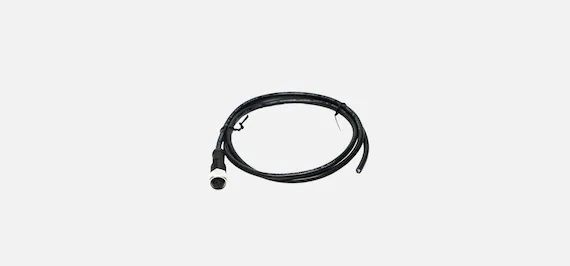
Binder M12 connector cable
The M12 connector ensures compatibility with most gas meter modules, offering a reliable connection for any installation.
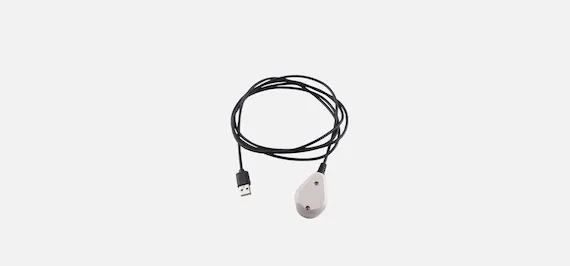
USB optical head IEC 62056-21
Optical reading head connecting to the converter's serial port, for meters with an optical interface but no native M-Bus.
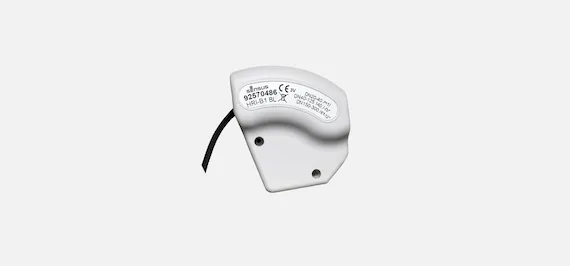
SENSUS water meter module
SENSUS HRI Module for water meters with a pulse output, typically for Sensus 420 and Sensus 620 water meters.
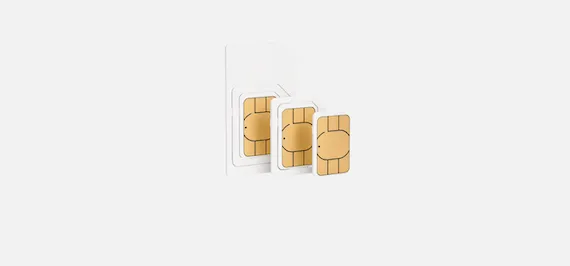
Prepaid NB-IoT SIM card
NB-IoT SIM card, prepaid for 10 years, with a dedicated account registered under your company name.
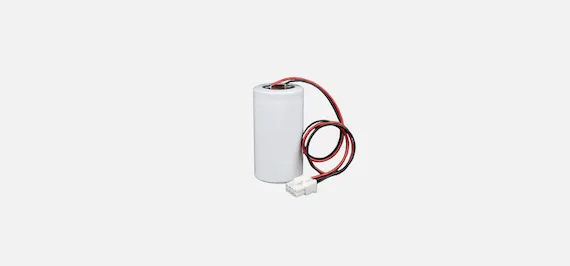
C-Cell battery replacement
C-cell battery with 8500 mAh and a JST-XH 2-pin connector, compatible with the converter. Provides over 10 years of operation.
Not sure which accessories you need? Ask us when requesting a sample – we'll include what's relevant for your setup.
Works with meters you already have
Verified with 30+ meter models. Any Pulse S0 standard-compliant meter should work, these are confirmed in the lab and in the field.
Frequently asked questions
Everything a first-time buyer typically wants to know. If your question isn't here, ask us directly.
No gateway is needed. The converter communicates over the public NB-IoT network through an NB-IoT SIM card, so it sends data directly to your system wherever there is operator coverage.
NB-IoT now reaches almost everywhere, including indoor and hard-to-access areas. The device supports a wide range of NB-IoT bands for strong coverage, and we can help verify it before deployment.
The converter reads a single gas meter with an S0 pulse or Wiegand output. It is ATEX certified, so it can be connected to gas meters in EX zone 2.
A pulse output carries no units, so one pulse can mean a set volume depending on the meter. We set the pulse ratio and units during configuration via the optical head, and we set it up with you.
The converter keeps counting and stores hourly values for the past 40 days, with a network failure recovery mechanism. It also synchronises with network time and detects minimum and maximum flow rates.
The converter can be remotely reconfigured over NB-IoT, including the pulse ratio, counter setup and reading intervals. Settings can be updated without visiting the installation site.
Yes. Sample units are available for testing, pilot projects and integration validation before larger deployments.
Everything you need to integrate


UDP communication integration manual

IEC configuration protocol integration manual

Configuration software

Do you need support? Connect us via our service desk.
Relevant articles
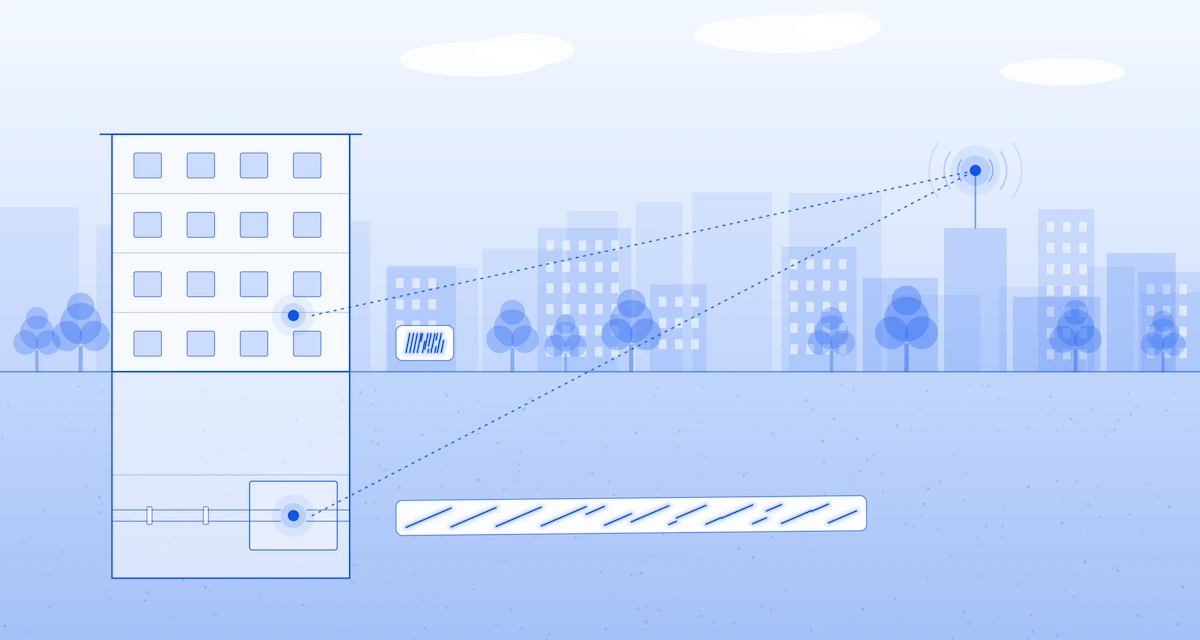
LoRaWAN airtime: why radio conditions matter
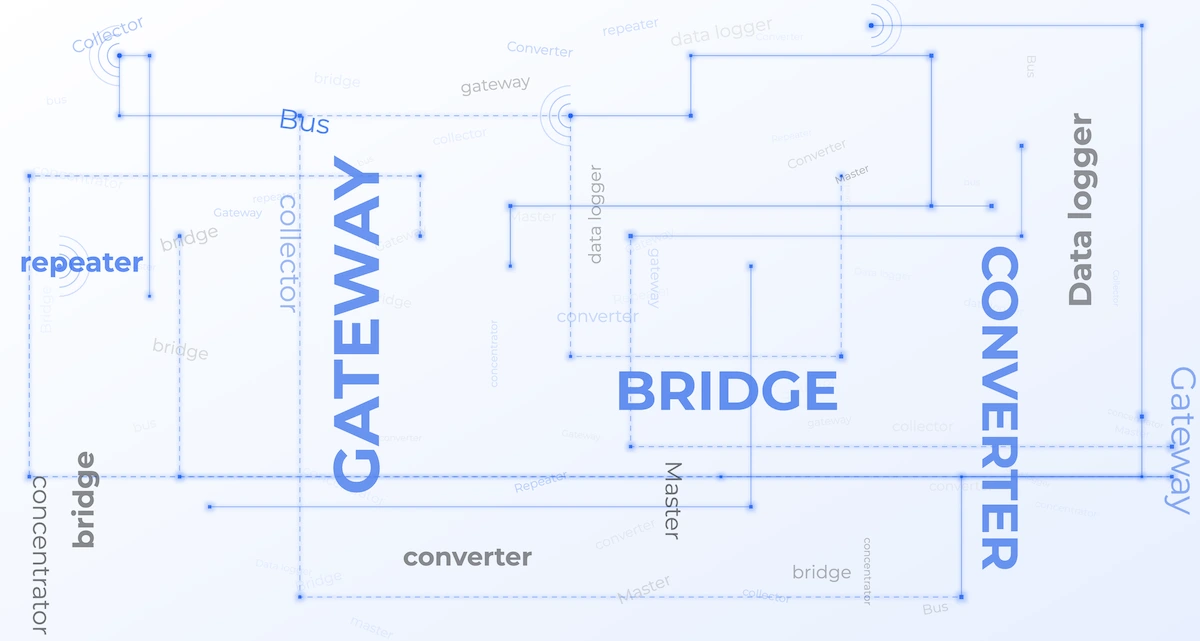
Converter, bus, bridge, gateway: what's the difference?
What actually drains an IoT device battery
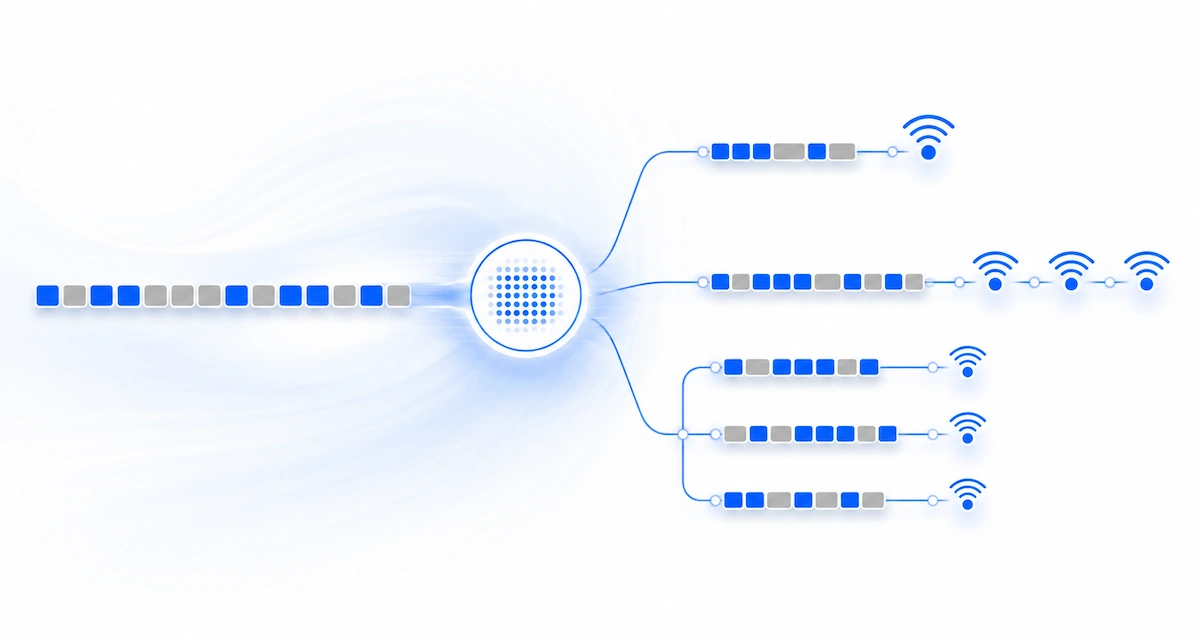
M-Bus parsing strategies for LoRaWAN and NB-IoT

How to best replace walk-by meter reading

Can your existing meters be retrofitted?

Battery life in IoT: beyond the datasheet number
Agile, Waterfall, or NRE? Choosing a development methodology

Developing adaptive IoT communication under the CRA
Focused supplier or large vendor? Depends on the project

Edge computing in IoT metering
Manufacturer as a technology partner

Why a device without an antenna fails

CE certification for IoT: What RED DA changes

Water losses in utility networks: The hidden cost of leaks
Pressure monitoring in water networks: Early fault detection
M-Bus pressure sensor: Leak detection for water utilities
The cost of measurement data errors and how to prevent them

Smart Readiness Indicator (SRI): All you need to know
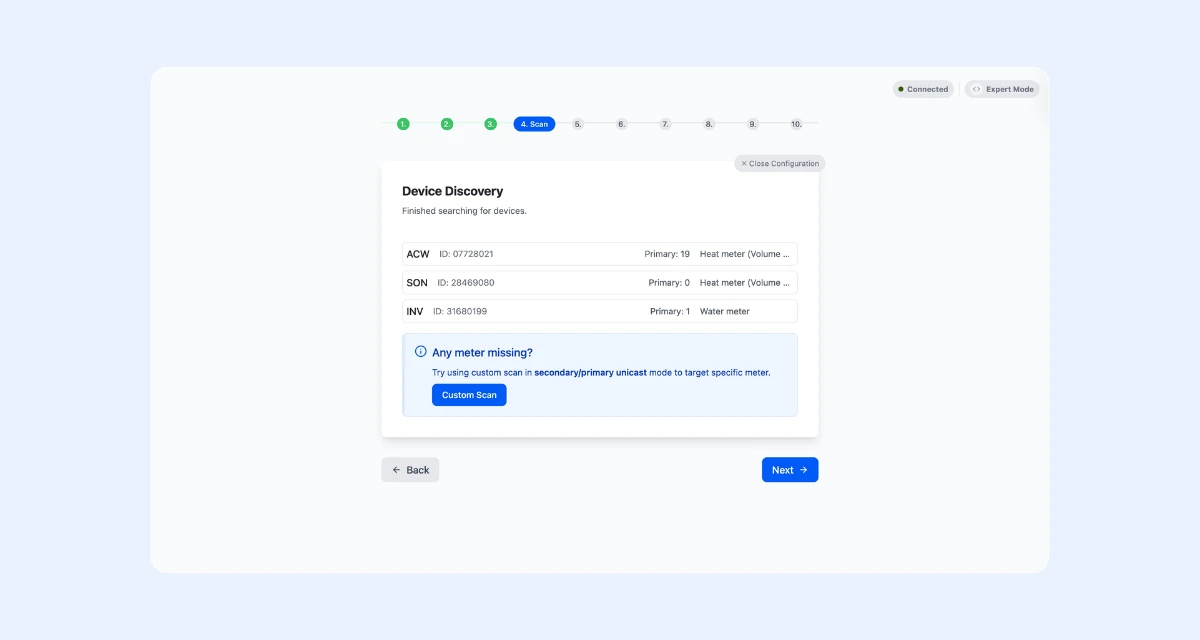
M-Bus installation tool Wizard from ACRIOS

Coulomb meter: Everything you need to know
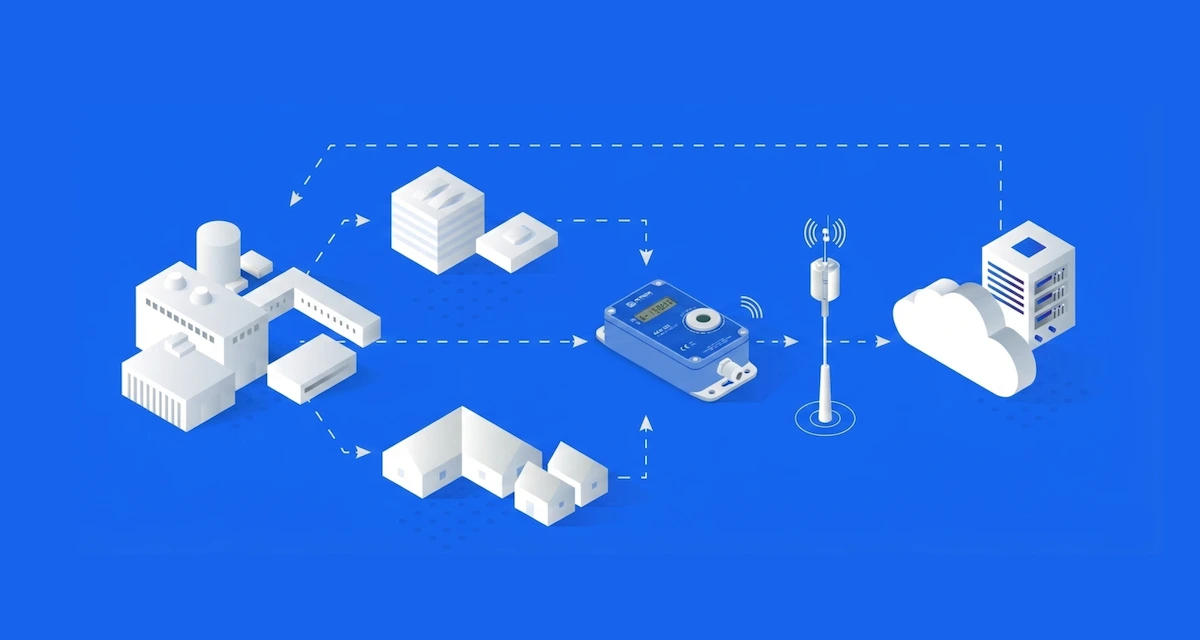
ACR-EX in water utilities: remote reading of pulse water meters

ACRIOS and Quectel announce partnership

External or internal? How custom development works

Proven deployment of 10,000 wM-Bus converters for EED
Choosing a remote reading system for water utilities
Open data interfaces pay off for reporting and integration

15-minute vs daily meter readings frequency explained
Scripting in IoT: Flexibility, sustainability, and protection

Gas meter data to dashboard: ACR-EX meets Datacake
EPBD is coming: what BACS means for your building
When DTLS makes sense. Know before you deploy

Not your keys, not your hardware
868 MHz or 433 MHz? The right choice for your wM-Bus
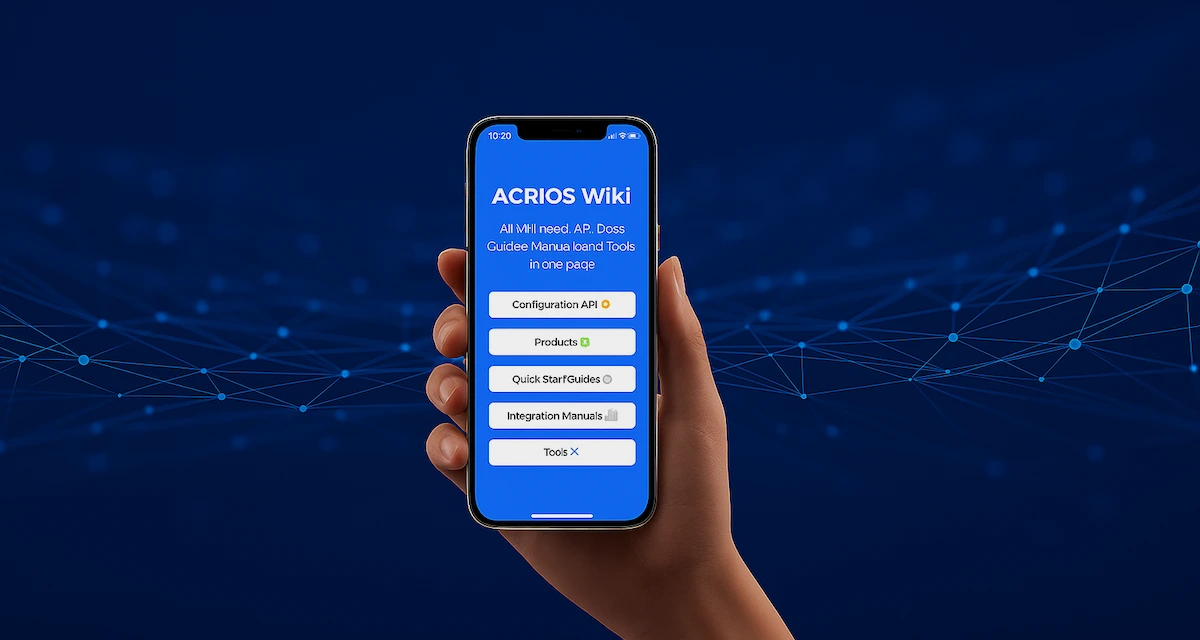
Everything you need to know, documented. ACRIOS wiki.
End-to-end custom hardware and software development
How to collect energy data to support ISO 50001

Lowering IoT TCO through smart manufacturing

Reading Sensus meters with zero hardware changes

Why 15-minute data matters in district heating

Give me a tool that works. Not a manual.

5 most common myths about remote meter reading

Battery-powered vs wired: What really costs more?

Cyber Resilience Act and IoT hardware
Next-gen meter readings, no replacements needed

Modernising metering infrastructure

M-Bus to IoT integration explained

Understanding TCO: More than just hardware

NB-IoT technology: All you need to know

LoRaWAN: All you need to know

M-Bus, wM-Bus, and RS-485: A technology guide

LoRaWAN vs. NB-IoT: Which technology is right for you?
Smart metering: What it is and why it matters

IoT: Technology that saves time and money

ACRIOS Systems unveils its brand-new website.
Get in touch
Ask a technical question, request more information, or tell us about your project. We'll point you to the right person and the right solution.
In touch across Europe
Based in the Czech Republic, working with customers and partners across Europe. Ask us for the right contact in your region.