Bring Modbus sensors and meters to
NB-IoT
Connect meters or sensors to NB-IoT cellular network by using this Modbus to NB-IoT concentrator. Battery or externally powered options.
%20to%20NB-IoT_ACR-CV-101N-R-D_angle.webp)

sensors
interface
configuration
Manual reading visits are your real cost
Based on a conservative estimate of €25 per site visit for technician time, travel, and admin, typical for Central European deployments. Western European costs are typically €40–60.
Hardware is a one-time cost. Reading visits are eliminated permanently. Year 2+ saving equals the full annual visit cost.
Built for these situations

Outdoor installations at building entry points. IP67 protection and a battery-operated device.

Connect Modbus heat meters within a district heating station. No power supply required.

Pressure monitoring by using Modbus sensors connected and powered from the concentrator.

Good fit if you need to equip any Modbus-enabled sensors or actuators with bidirectional NB-IoT communication.

Modbus is not a universal protocol the way M-Bus is. There's no auto-discovery, every device has its own register map, and a generic box won't read all of them. So we don't sell it as one. Modbus to NB-IoT is a project fit: we use the Lua scripting interface to build the configuration around your specific devices, and we support it from the start. You get a converter shaped to your equipment, not a tool you're left to figure out alone.

Every detail counts in the field
%20to%20NB-IoT_ACR-CV-101N-R-D_top.webp)
Built for harsh environments
- IP67 rated – fully waterproof and dustproof; suitable for outdoor cabinets, basements, and heat stations
- SMA antenna port – standard connector; extend outside a metal cabinet for full signal when needed
- WAGO terminal block – tool-free snap wiring, no loose screws, zero installation mistakes
- Captive lid screws – screws stay attached; IP67 seal stays intact during every service visit
- OEM Branding - devices can be supplied with your branding
%20to%20NB-IoT_ACR-CV-101N-R-D_battery.webp)
Single battery for up to 10 years
- Single battery 19 Ah D-Cell – primary lithium, −40 °C to +85 °C rated, no self-discharge concerns
- Over 10 years battery life at 1-hour data reading interval – ideal for billing-grade metering
- User-replaceable battery without tools – sourced from distributors across Europe, no ACRIOS dependency
- AUX Power supply for your sensors
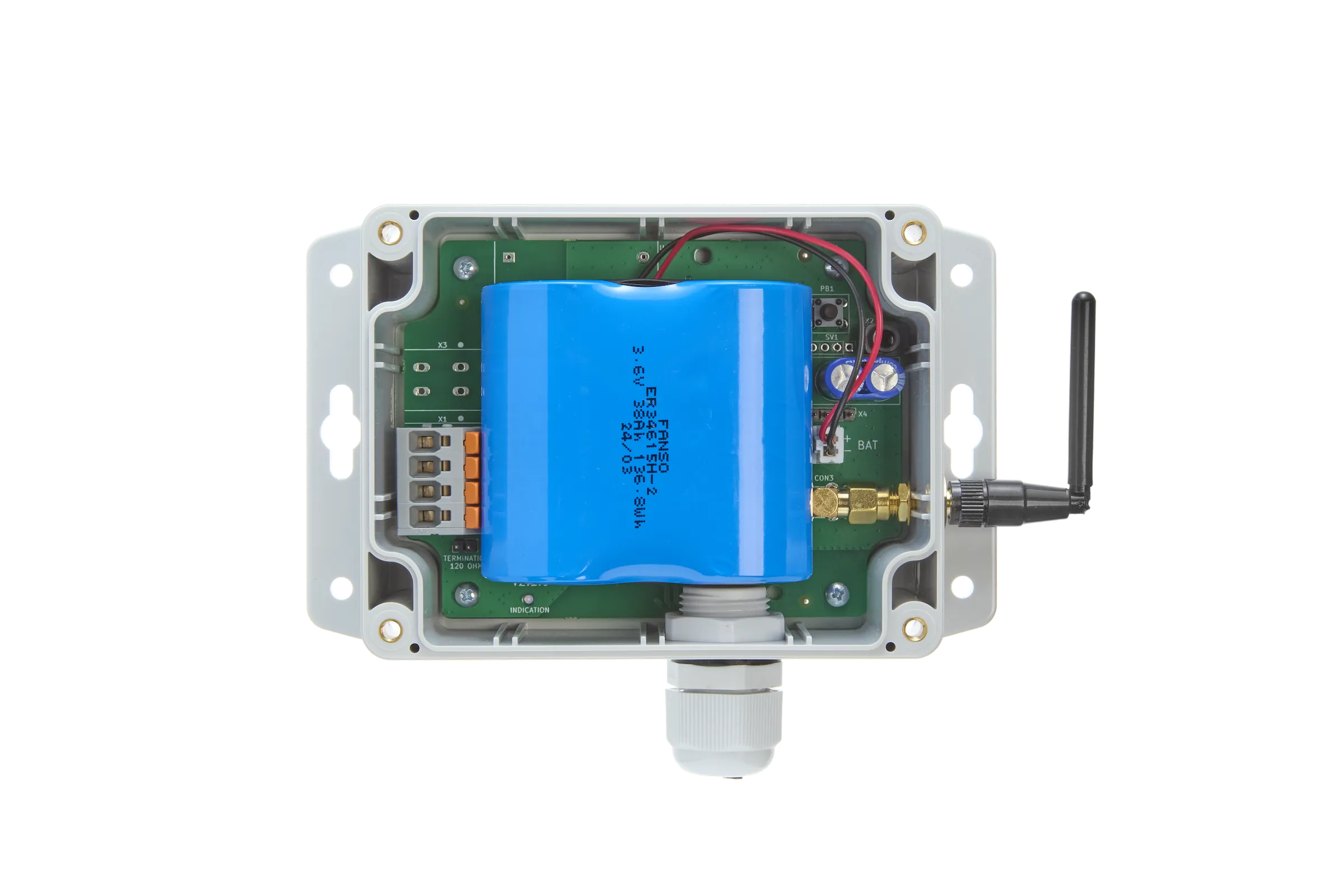
Dual battery for up to 20 years
- Dual battery 38 Ah 2xD-cell – double capacity in the same enclosure footprint
- Over 20 years battery life at 1-hour data reading interval – based on typical consumption, not a guaranteed lifespan
- Drop-in swap – same enclosure, plug-in pack; field replacement takes under two minutes
- AUX Power supply for your sensors
The best fit for advanced users
Modbus has no auto-discovery. Every device has its own addresses, baud rate, and register map, so a generic scan reads nothing. The Lua scripting interface lets us map exactly what your equipment exposes, and we set it up with you.
Create a device library
The wizard automatically discovers all connected M-Bus meters – names, IDs, and meter types. No manual addressing needed.
Pick meters from library
Choose exactly which values to transmit (energy, volume, temperature…) with a live byte count. Know exactly what will be sent before sending it.
Finish configuration
Save the configuration to the device. You can later change or modify the configuration via downlinks.

Why installers choose ACRIOS

The converter powers the sensors from its own battery. No 230V installation, no inspection, no extra cost.

If you want to connect optical head and read OBIS codes, if you want to implement an IEC protocol or you want to get values from sensors, you have the flexibility to do so.

Easy remote configuration. Change meter reading intervals, add meters, or update addressing via NB-IoT downlink, without a site visit.

Designed and produced in the Czech Republic. Full firmware control, Cyber Resilience Act ready, long-term support guaranteed.
The obvious alternative often doesn't exist
Modbus is a commonly used protocol, but you typically find it in industrial applications at industrial application prices. There are not a lot of options for cheaper, battery powered alternatives.
Modbus PLC
- Typically requires external power supply and they don't come with NB-IoT
- Pricing is tailored for expensive industrial applications, not for when you need to read few meters or sensors
- Not available for sensors requiring external power supply
- Often doesn't come with the IP coverage
- Typically requires external power supply and they don't come with NB-IoT
- Pricing is tailored for expensive industrial applications, not for when you need to read few meters or sensors
- Not available for sensors requiring external power supply
- Often doesn't come with the IP coverage
ACRIOS Modbus converter
- Works with any Modbus meter from any manufacturer: the protocol, not the brand, is what matters. 30+ models verified.
- One device, multiple meters or sensors – connect up to 96 devices from different manufacturers on a single Modbus line, one converter
- IP67 coverage for outodoor installation or for when you need to read out water quality sensor by the river
- Battery powered device for a maximum flexibility.
For wM-Bus, pulse or M-Bus meters, ACRIOS also makes converters for those protocols. Ask us if your site has mixed meter types.
- Works with any Modbus meter from any manufacturer: the protocol, not the brand, is what matters. 30+ models verified.
- One device, multiple meters or sensors – connect up to 96 devices from different manufacturers on a single Modbus line, one converter
- IP67 coverage for outodoor installation or for when you need to read out water quality sensor by the river
- Battery powered device for a maximum flexibility.
For wM-Bus, pulse or M-Bus meters, ACRIOS also makes converters for those protocols. Ask us if your site has mixed meter types.
Works with any NB-IoT network
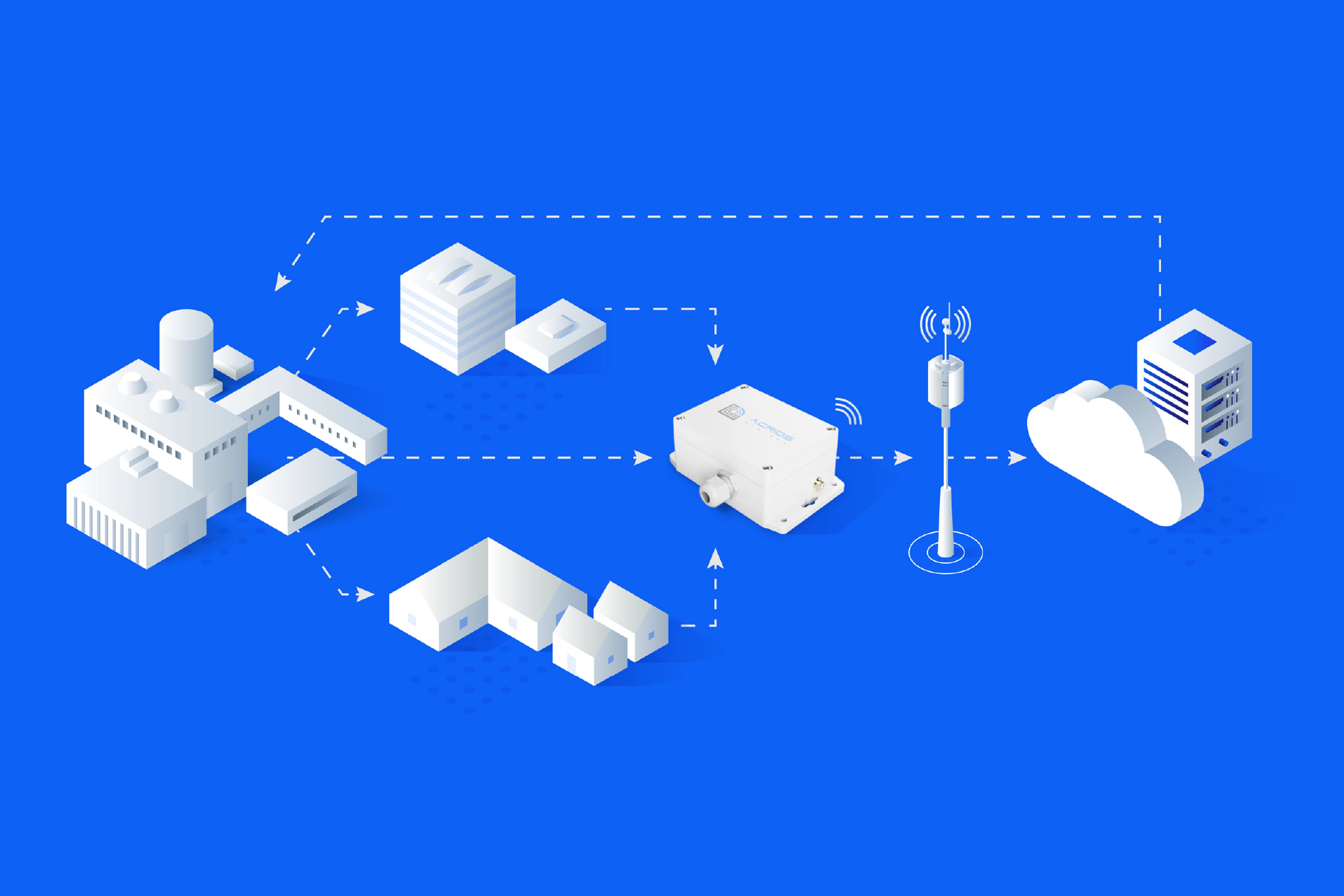
The Modbus (RS485) to NB‑IoT concentrator uses UDP protocol over NB-IoT – any NB-IoT network can receive and forward the frames.
Trusted by teams across Europe
We needed Modbus data from remote sites with no gateway and no local network. NB-IoT plus the scripting interface solved exactly that."

Configuration was shaped around our devices from the start, and we could update it remotely over NB-IoT without site visits.
PSM and eDRX kept the battery going for years on sites where mains power was never an option.
Specifications
Hardware
Order codes
Supported features
- Reads any RS485 device, most commonly using the Modbus protocol
- Supports Modbus RTU, Modbus ASCII, Profibus DP and IEC 62056, plus proprietary protocols
- Reads via RS485 directly or through an optical head
- Master by default, slave configurable, with two-way RS485 communication
- Powers a connected RS485 sensor or device directly from the converter, 5 V to 24 V DC
- Configurable RS485 interface with communication speeds from 300 to 115,200 Bd
- Device library defines parsing per device, configurable via Lua scripting
- Reads up to 96 connected devices per converter
- Battery-powered (single or double) or externally powered versions available
- Dual D-cell batteries provide over 10 years of operation
- PSM and eDRX power-saving modes for longer battery life
- User-replaceable battery in battery-powered versions
- WAGO terminal block for fast and reliable installation
- NB-IoT communication with the possibility to use any NB-IoT SIM card
- Remote configuration over NB-IoT, including device library and reading intervals
- Local configuration over cable via ACR-CONFIG and the configuration app
- Pre-configured at manufacturing with your SIM card and settings, ready for direct installation
- Firmware updates over the air (FUOTA)
- Reading intervals from 15 minutes
Everything you might need on site
Optional accessories available directly from ACRIOS. Ask us when ordering.
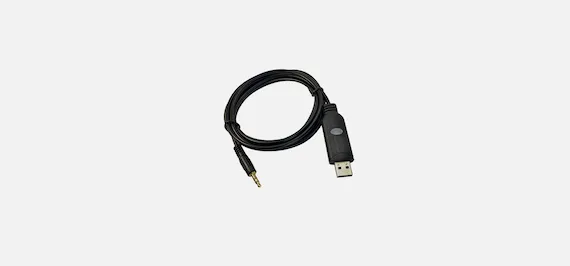
Configuration cable
USB to 3.5mm jack serial cable for local device configuration. FTDI chipset, optically isolated, 1.8 m. Required for first time local setup via scripting interface Lua.
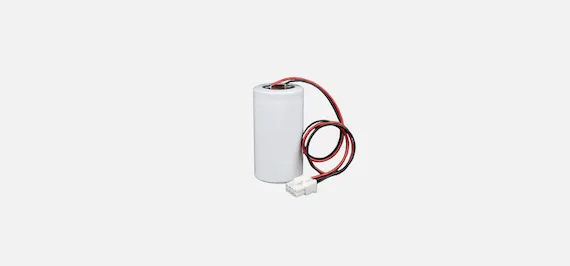
D-Cell battery
Replacement D-cell battery, 19 000 mAh, with a JST-XH 2-pin connector compatible with the converter. Primary lithium cell for long-term battery-powered operation.
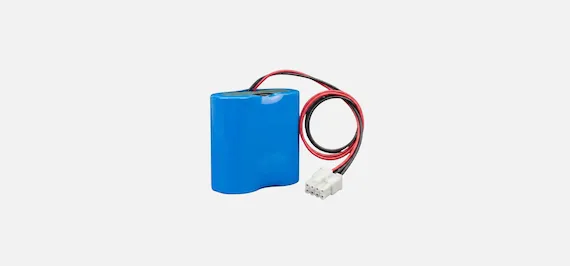
2×D-Cell battery
Replacement 2×D-cell battery pack, 38 000 mAh, with a JST-XH 2-pin connector compatible with the ACRIOS converter. Double capacity for the longest maintenance-free service life.
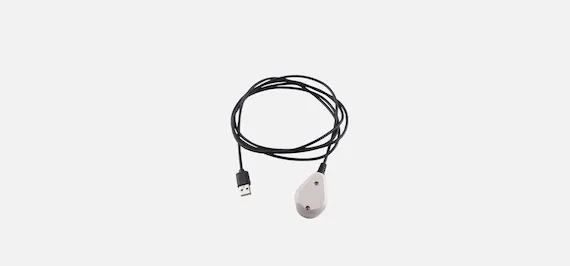
RS485 Optical head
Optional optical head with RS485 communication. Great if you need to read IEC protocols on electricity meters.
Not sure which accessories you need? Ask us when requesting a sample – we'll include what's relevant for your setup.
Works with meters you already have
Verified with 30+ meter models. Any Modbus standard-compliant meter should work.
Frequently asked questions
Everything a first-time buyer typically wants to know. If your question isn't here, ask us directly.
No gateway is needed. The converter communicates over the public NB-IoT network through an NB-IoT SIM card, so it sends data directly to your system wherever there is operator coverage.
NB-IoT now reaches almost everywhere, including indoor and hard-to-access areas. Where the signal is weak, the external antenna can be extended by cable, and we can help verify coverage before deployment.
The converter reads any RS485 device, most commonly over Modbus, and also supports Modbus ASCII, Profibus DP and IEC 62056. It works with actuators, electricity meters and other measurement devices from many manufacturers.
Modbus registers, endianness and offsets differ between manufacturers, so the converter uses a device library that defines the parsing per device. The data is unified into a clear structure ready for your system.
Yes. The R12 version can power a connected RS485 device such as an optical head, sensor or electricity meter directly from the unit, from 5 V to 24 V DC. This removes the need for a separate power supply and electrical work.
The converter can be remotely reconfigured over LoRaWAN, including the device library, register mapping and reading intervals. Settings can be updated without visiting the installation site.
Yes. Sample units are available for testing, pilot projects and integration validation before larger deployments.
Everything you need to integrate


Lua scripting interface

Integration manuals, protocol specs, installation guides, video tutorials.

Integration manual for a device library approach

Do you need support? Connect us via our service desk.
Relevant articles

ILI: what the EU leakage threshold measures

Pulsed water meter: All you need to know
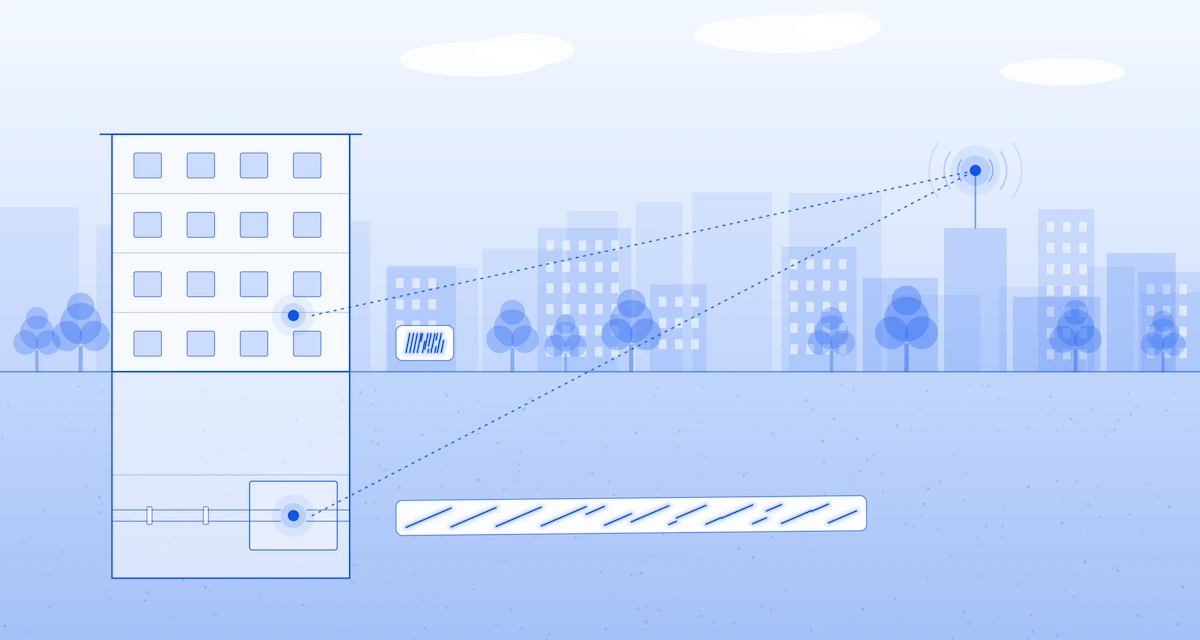
LoRaWAN airtime: why radio conditions matter
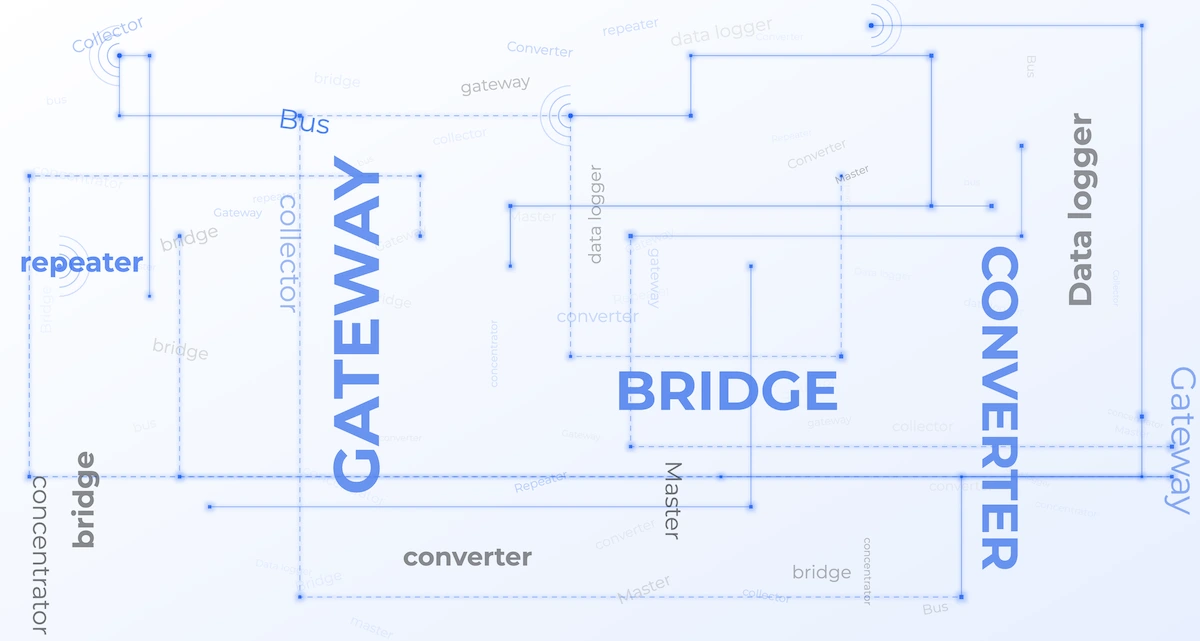
Converter, bus, bridge, gateway: what's the difference?
What actually drains an IoT device battery
M-Bus parsing strategies for LoRaWAN and NB-IoT

How to best replace walk-by meter reading

Can your existing meters be retrofitted?

Battery life in IoT: beyond the datasheet number
Agile, Waterfall, or NRE? Choosing a development methodology

Developing adaptive IoT communication under the CRA

Focused supplier or large vendor? Depends on the project

Edge computing in IoT metering
Manufacturer as a technology partner

Why a device without an antenna fails

CE certification for IoT: What RED DA changes

Water losses in utility networks: The hidden cost of leaks

Pressure monitoring in water networks: Early fault detection
M-Bus pressure sensor: Leak detection for water utilities

The cost of measurement data errors and how to prevent them

Smart Readiness Indicator (SRI): All you need to know
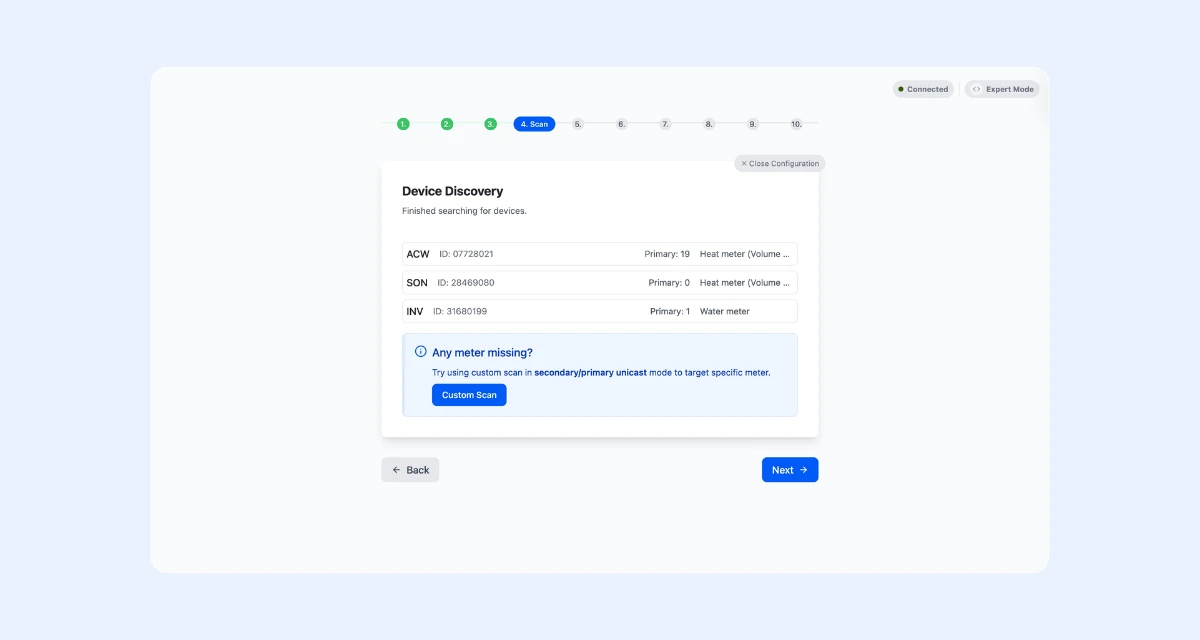
M-Bus installation tool Wizard from ACRIOS

Coulomb meter: Everything you need to know
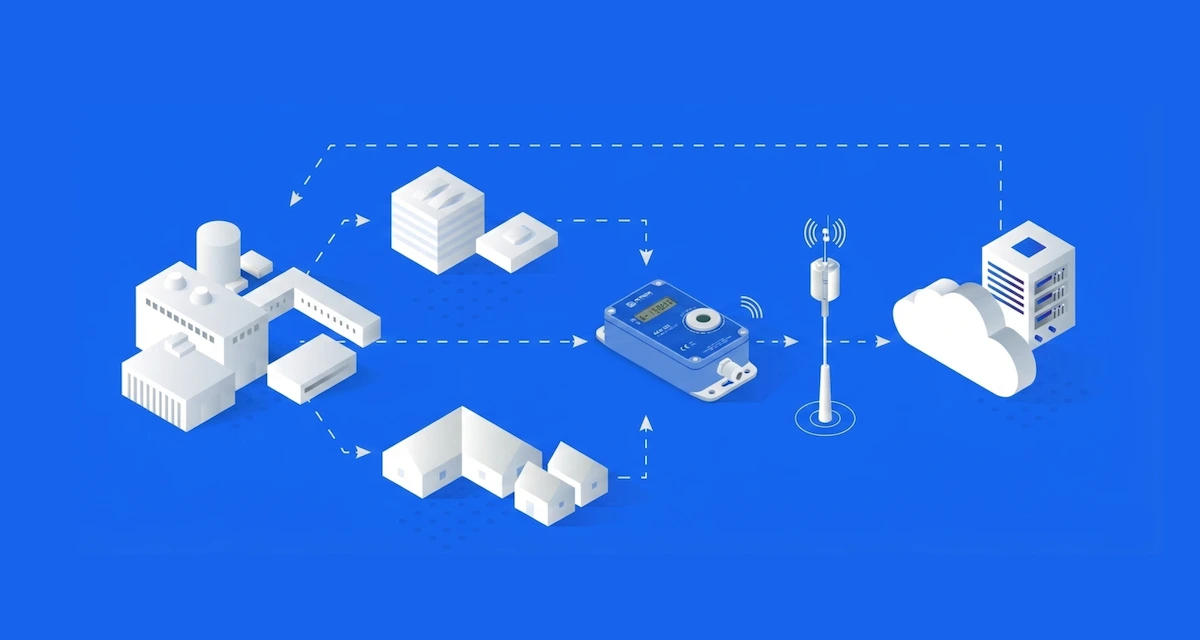
ACR-EX in water utilities: remote reading of pulse water meters

ACRIOS and Quectel announce partnership

External or internal? How custom development works

Proven deployment of 10,000 wM-Bus converters for EED
Choosing a remote reading system for water utilities

Open data interfaces pay off for reporting and integration

15-minute vs daily meter readings frequency explained
Scripting in IoT: Flexibility, sustainability, and protection

Gas meter data to dashboard: ACR-EX meets Datacake
EPBD is coming: what BACS means for your building
When DTLS makes sense. Know before you deploy

Not your keys, not your hardware
868 MHz or 433 MHz? The right choice for your wM-Bus
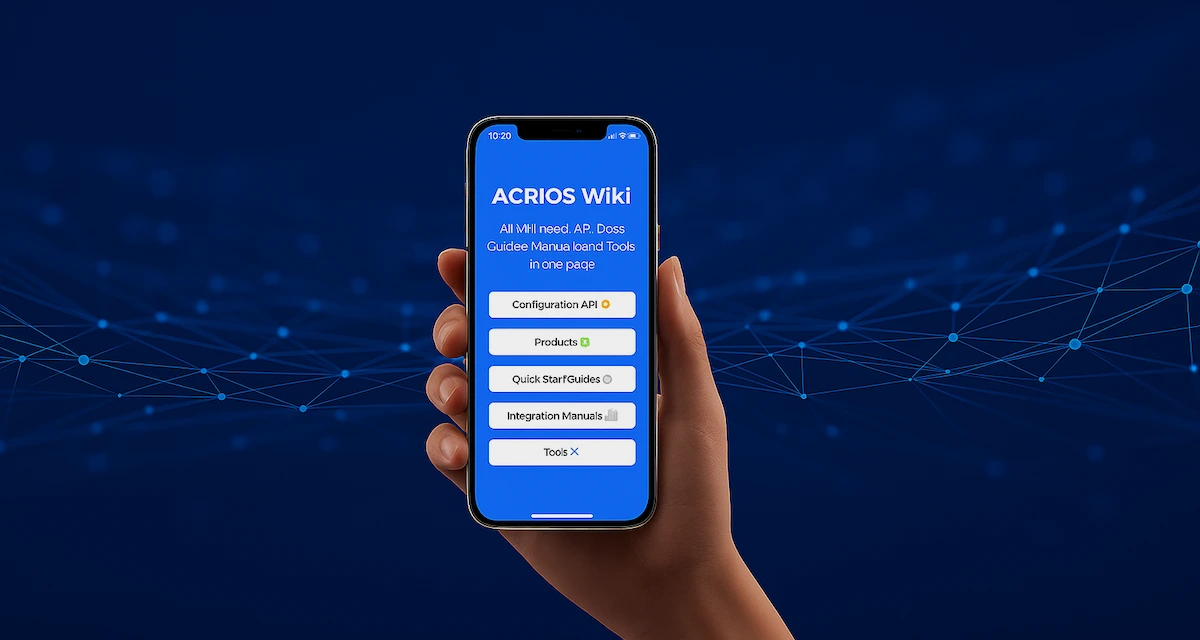
Everything you need to know, documented. ACRIOS wiki.
End-to-end custom hardware and software development
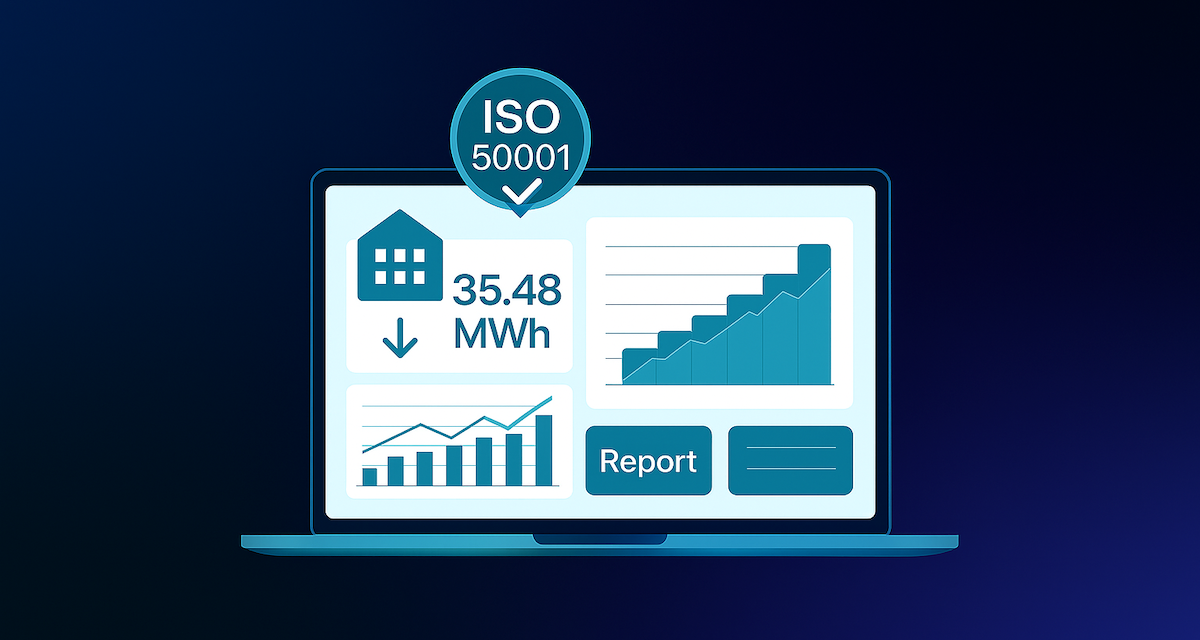
How to collect energy data to support ISO 50001

Lowering IoT TCO through smart manufacturing

Reading Sensus meters with zero hardware changes

Why 15-minute data matters in district heating

Give me a tool that works. Not a manual.

5 most common myths about remote meter reading

Battery-powered vs wired: What really costs more?

Cyber Resilience Act and IoT hardware
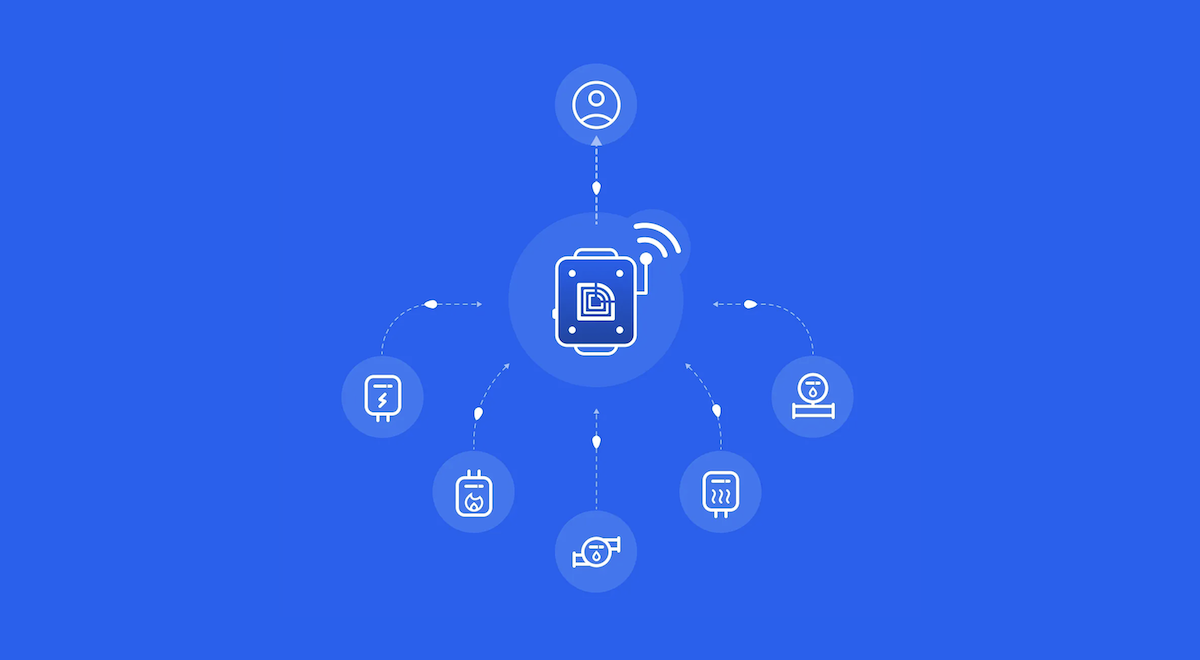
Next-gen meter readings, no replacements needed

Modernising metering infrastructure

M-Bus to IoT integration explained

Understanding TCO: More than just hardware

NB-IoT technology: All you need to know

LoRaWAN: All you need to know

M-Bus, wM-Bus, and RS-485: A technology guide

LoRaWAN vs. NB-IoT: Which technology is right for you?
Smart metering: What it is and why it matters

IoT: Technology that saves time and money

ACRIOS Systems unveils its brand-new website.
Get in touch
Ask a technical question, request more information, or tell us about your project. We'll point you to the right person and the right solution.
In touch across Europe
Based in the Czech Republic, working with customers and partners across Europe. Ask us for the right contact in your region.