Remote meter reading for gas utilities

Retrofit gas meters with ACR-EX datalogger. Safe, compliant, and future-proof.

ACRIOS helps gas utilities digitise meter readings in ATEX zones. With remote connectivity and field-ready devices, we simplify data collection from existing meters and reduce service costs and delays.

Challenges for gas utilities

Manual readings in ATEX environments are expensive and risky
Medium-sized meters lack connectivity but are critical for consumption tracking.
Replacing meters is not economical
EU regulation requires remote reading by 2027

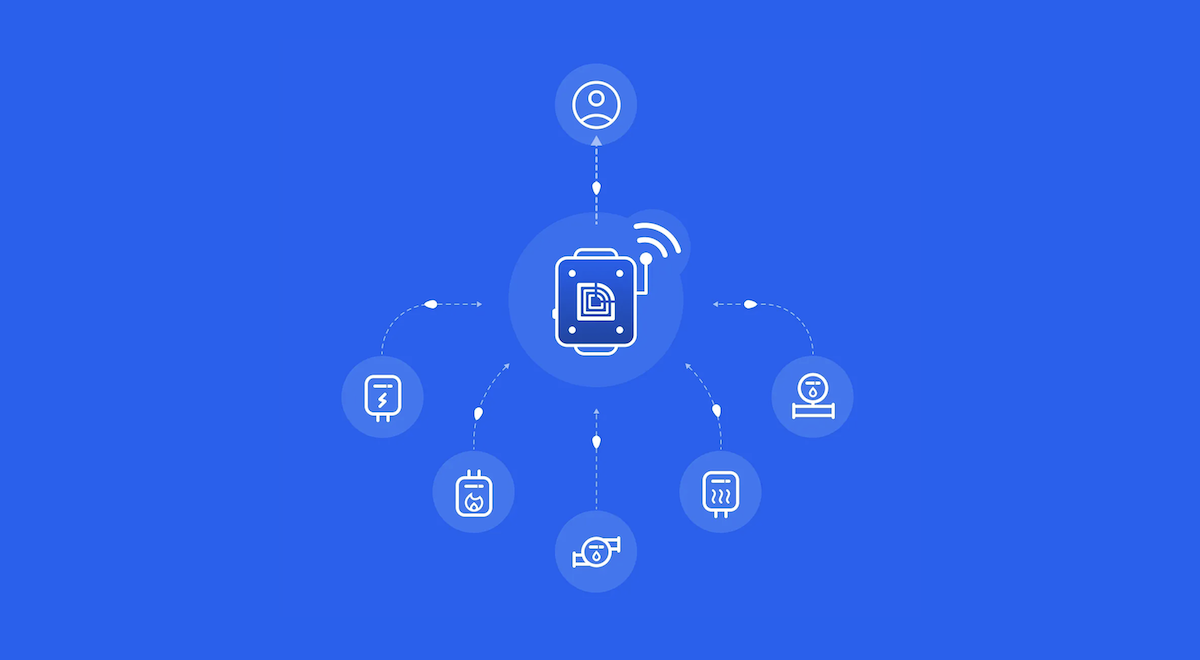
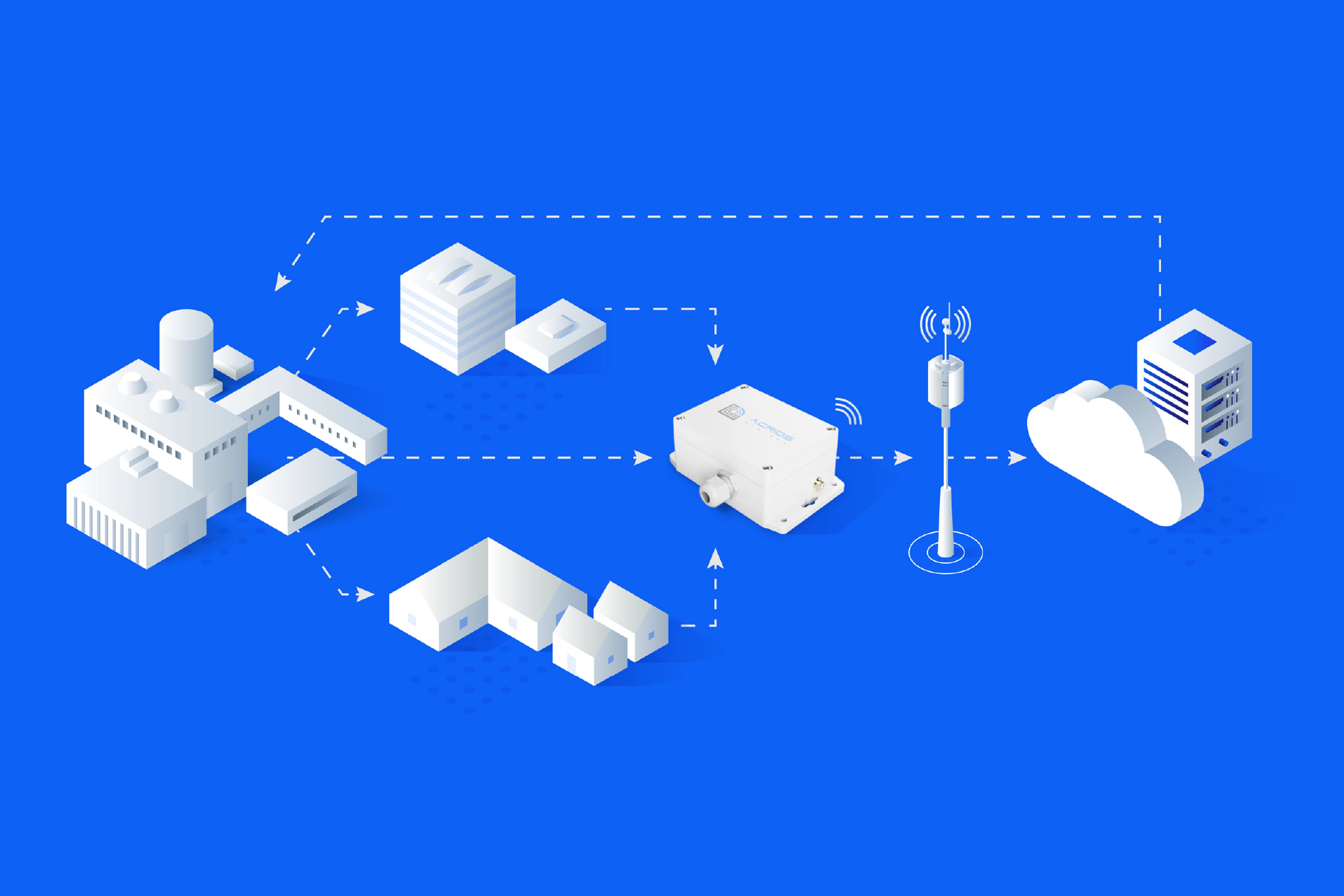
ACRIOS datalogger for remote gas meter reading

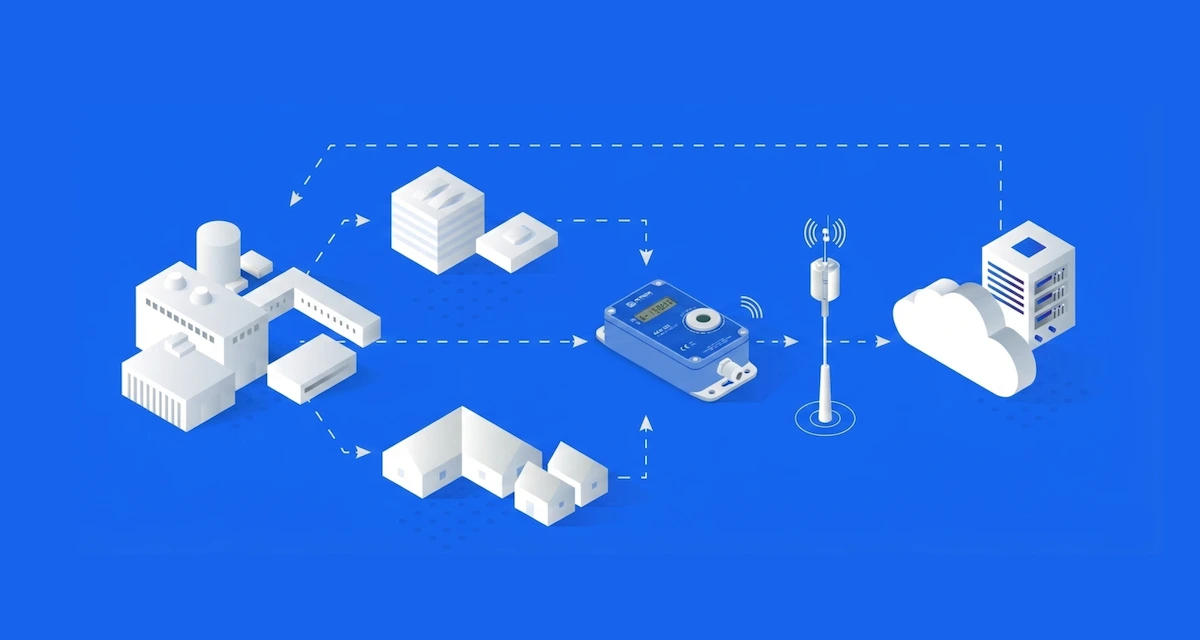
The ACR-EX is a retrofit datalogger designed for medium-sized gas meters and built for hazardous environments. Datalogger provides NB-IoT connectivity, ATEX Zone 2 certification, and IP67 protection. With up to 10 years of battery life and a built-in display, it delivers safe and transparent meter reading without replacing existing assets.
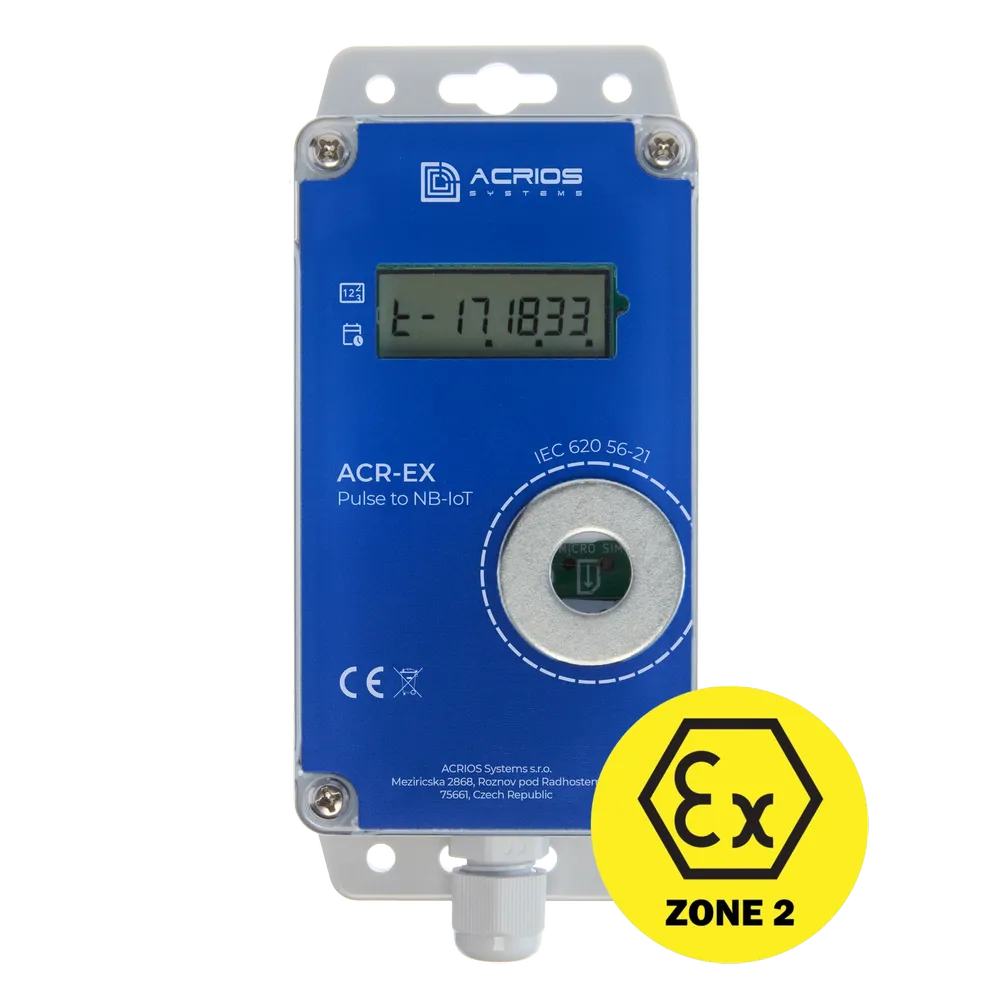
Utilities using ACR-EX dataloger cut service visits, speed up billing and eliminate lost or delayed data

ACR-EX datalogger technical specifications overview

  • Compatibility: medium-sized gas meters, S0 pulse inputs, Wiegand
  • Transmission: NB-IoT, LwM2M protocol
  • Certification: ATEX Zone 2, IP67 protection
  • Battery life: up to 10 years
  • Display: LCD (volume, ID, time/date)
  • Security: encrypted transmission, OTA updates, CRA-ready
  • Configuration: IEC protocol via optical IR interface
  • Power monitoring: coulomb counter for predictive battery management

What you gain

Retrofit instead of replacement

Keep existing meters in service and add connectivity.

Data logging

Up to 40 days of local data storage for secure backup.

Secure and compliant

Encrypted communication, OTA firmware updates, CRA-ready.

IEC 62056-21 support for fast installation

Configuration via standard optical head interface, option to use our free software or integrate with your existing for quick setup, in under 10 minutes – no special tools needed.

Battery life 10+ years

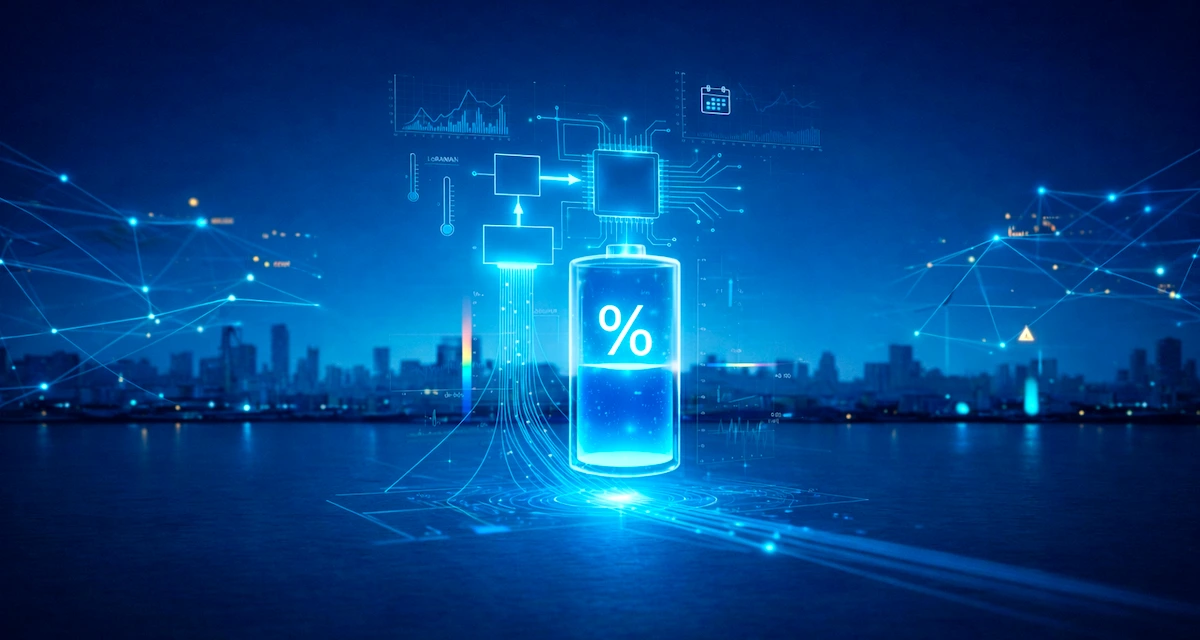
Built-in coulomb counter enables precise battery forecasting, tracks exact consumption, preventing unexpected downtime. 10-year lifespan with 40-day data retention.

See ACR-EX data live

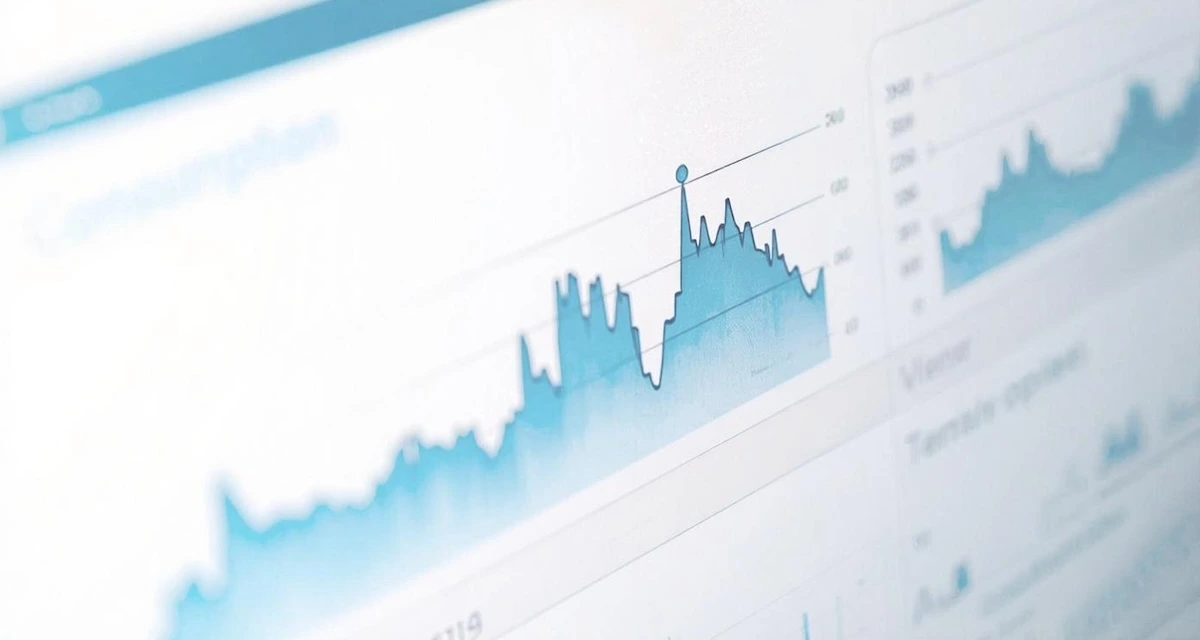
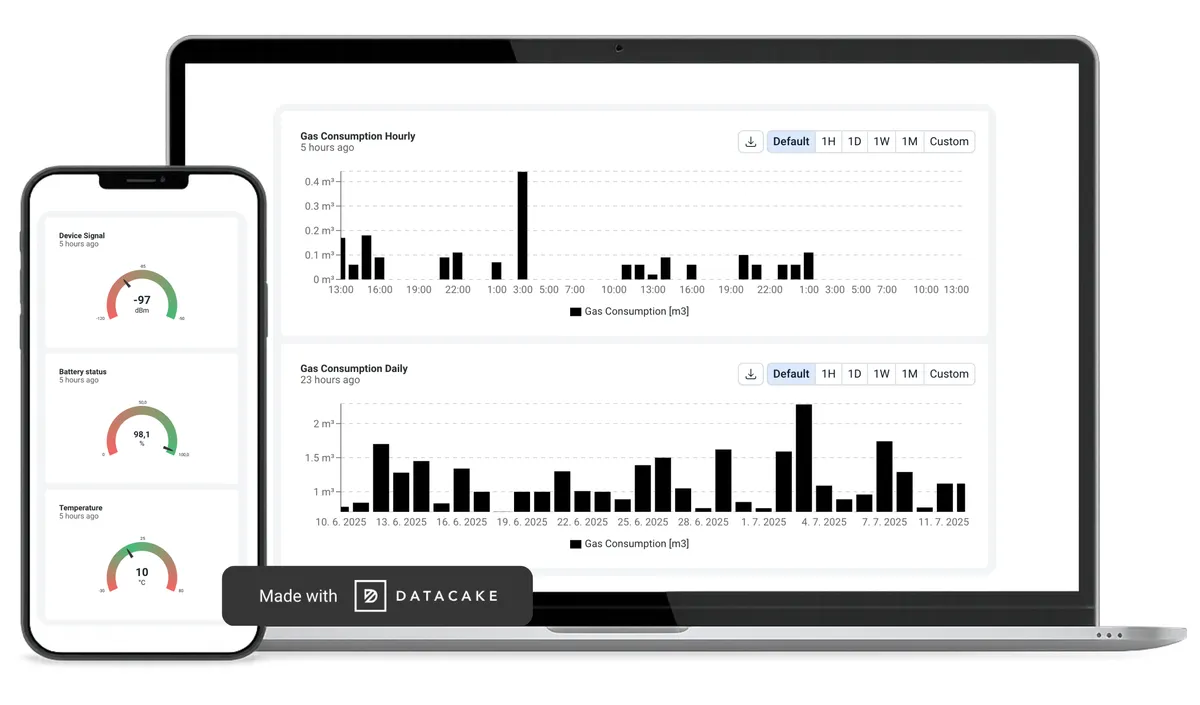
Want to see how the ACR-EX datalogger works in the field? See a live unit on Datacake platform. Explore a real-time dashboard with actual data, including signal strength, consumption graphs, transmission logs. What you see is exactly what you'd get from your own deployment.

Datacake offers a ready-made template for the ACR-EX, setup takes just minutes.
How to get started

PoC installation within a week

For initial testing, we can provide a device with a SIM card and integrate into a partner system. No setup effort required on your side.

For solution providers

We offer OEM units with an open communication protocols to be integrated directly into your services with no added API licensing fees.

Scaling up? We’re ready

We ship fully prepared devices, tailored to your setup. Including your SIM card, your configuration, and installation material if needed.

Trusted by leading gas distributors

With ACRIOS ACR-EX devices, we can retrofit our existing gas meters and ensure compliance with EU requirements. The installation was simple, the system is reliable, and our teams save time and resources.

Gas utility partner

Future-proof your gas metering with ACR-EX

Reduce operational costs, meet EU compliance, and ensure safe remote reading in ATEX environments. Retrofit your existing gas meters today with ACR-EX.

Frequently asked question

Yes, if they use an S0 or Wiegand output. You can send us the meter type with datasheet and we’ll verify compatibility.

No. On the contrary – ACR-EX is designed to connect to existing meters without replacement.

Yes, device is certified for ATEX zone 2 (depending on the variant). The device meets safety standards and offers IP67 protection.

Device is mounted on a wall, pipe, or bracket (using a strap or screws), connected to the pulse output, and powered on. We can deliver it preconfigured, including network settings and inserted SIM card you provide us with – setup takes around 10 minutes.

Device is configured locally by using an optical head with IEC 62056-21 protocol (compatible with standard technician tools) or remotely via NB-IoT (downlink/OTA).

By default, readings are taken hourly and sent once per day. Intervals can be adjusted as needed.

More than 10 years in standard mode with hourly readings. Battery is monitored using a coulomb counter providing an actual measurement, not an estimate.

Yes, the LCD screen shows the current counter value, so technicians or anyone else can check it directly on-site.

We support open protocols (UDP), standardised data formats, and direct transfer to SCADA/AMI systems. No intermediary platform needed.

Yes. We’re happy to send 1–2 units for pilot testing. We’ll help with configuration and onboarding.

Yes, as long as the meter provides a standard S0 or Wiegand signal. We support a wide range of voltages, frequencies, and output types. If unsure, send us the meter type with the datasheet and we’ll confirm compatibility.

The device stores readings internally for up to 40 days. Once the connection is restored, data is sent automatically. It also includes reconnection and network outage detection mechanisms.

Yes. We already support secure transmissions (DTLS), remote updates (FUOTA), and we’re actively developing full CRA compliance in partnership with Czech universities. Critical infrastructure clients are notified in advance.

We manufacture hardware, not data services and so we won't limit you with your deployment. You can use your own SIM card and transfer data directly to your backend – via UDP, including closed APNs or VPN tunnels.

Yes, we can help ensure future compatibility by following open standards, versioning, and modular architecture.

Blog
Opinions and analysis

External or internal? How custom development works

External development helps organisations accelerate project delivery and reduce fixed costs. This article explores when outsourcing truly makes sense, what to consider when selecting a partner, and how to structure collaboration that delivers lasting internal peace.
Read more
How to?

Proven deployment of 10,000 wM-Bus converters for EED
Digitalisation of metering is becoming a strategic priority for utilities. Experience from a project with 10,000 wM-Bus concentrators and 850,000 meters shows that success depends less on technology itself and more on change management, coordination, and structured planning.
Read more
Technology

Choosing a remote reading system for water utilities

Digitalisation brings many ways to read water meters remotely, from bus networks to direct LoRaWAN and NB-IoT communication. Learn how to choose the right approach for your utility based on existing meters, coverage conditions, and investment strategy.
Read more
Opinions and analysis

Open data interfaces pay off for reporting and integration
An open data interface means freedom and independence when working with data. Beyond storing and visualising, it enables export, reporting, automation and smooth integration with other systems. The result is greater flexibility, lower vendor lock-in and sustainable data management.
Read more
Opinions and analysis

15-minute vs daily meter readings frequency explained

How often should you measure energy and water consumption? Fifteen-minute meter reading frequency supports detailed analysis and real-time optimisation, while daily data extend battery life and simplify reporting. Learn about the benefits, trade-offs, and use cases from practice.
Read more
Technology

Scripting in IoT: Flexibility, sustainability, and protection

Many IoT deployments fail when each new customer request requires a firmware change. Scripting solves that by separating customer logic from core functions, it enables faster updates, long-term maintenance, and secure control over unique features.
Read more
Technology

Gas meter data to dashboard: ACR-EX meets Datacake
Get your gas meter data online in minutes with the ACR-EX datalogger and its direct Datacake integration. This reliable NB-IoT solution provides live readings, alerts, and a ready-to-use dashboard. All without the need to develop or maintain your own backend infrastructure.
Read more
Compliance

EPBD is coming: what BACS means for your building

Let’s break down what the BACS mandate, part of EU’s broader initiative EPDB directive, means in practice. Who must comply, which systems and protocols to use, and how to modernise your building with minimal effort using your existing infrastructure.
Read more
Opinions and analysis

When DTLS makes sense. Know before you deploy
Let’s explore when DTLS (Datagram Transport Layer Security) brings real security value to NB-IoT deployments and when it’s smarter to choose a simpler or more energy-efficient alternative. Get clarity before committing to your next smart metering rollout.
Read more
Opinions and analysis

Not your keys, not your hardware

AES encryption protects your data. But without the keys, you don’t really own the device. This article explains why requesting encryption keys matters when purchasing IoT meters, and how it gives you full control over data, integration, and long-term independence.
Read more
Technology

868 MHz or 433 MHz? The right choice for your wM-Bus
Looking for a wireless M-Bus converter but unsure which frequency band to choose? This article compares 868 MHz and 433 MHz, explains key technical differences, and offers practical guidance based on meter compatibility, signal conditions, and installation environments.
Read more
How to?

Everything you need to know, documented. ACRIOS wiki.

One place to find answers to all your technical questions. The ACRIOS wiki simplifies technical communication by bringing together everything needed for configuration, installation, and integration. Online, accessible, and continuously updated.
Read more
Technology

End-to-end custom hardware and software development

Ready-made products can work. Until they don’t. When specific requirements emerge, a custom development approach offers the flexibility to design both hardware and software precisely for the task. Whether it’s a new solution or an upgrade to existing systems.
Read more
How to?

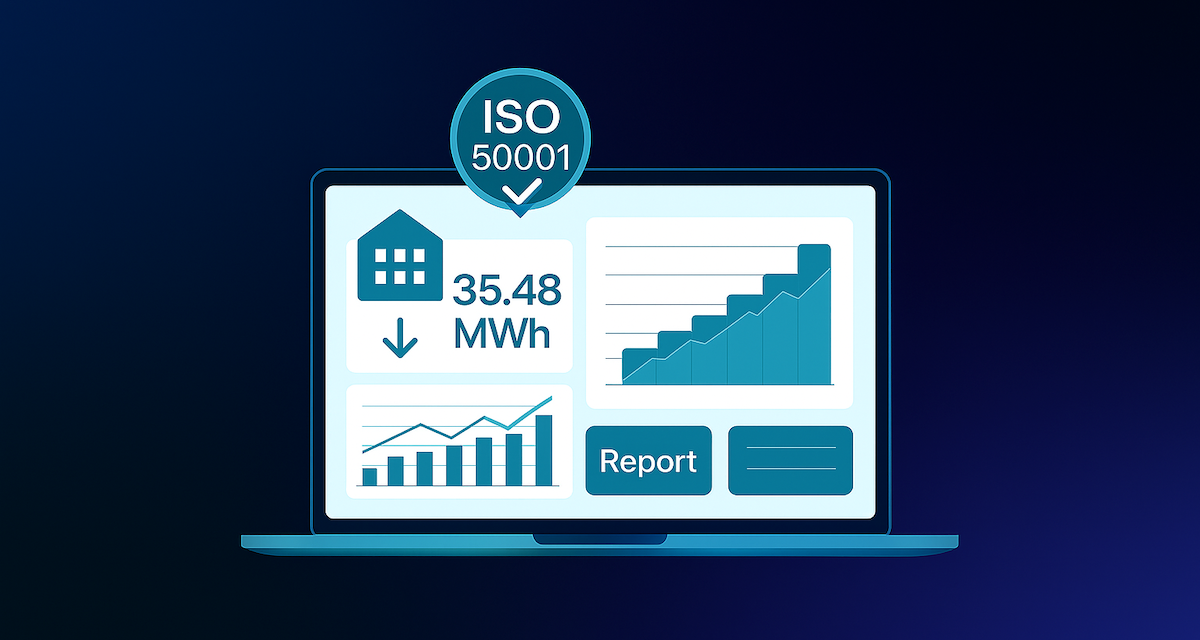
How to collect energy data to support ISO 50001
Energy efficiency is no longer just a buzzword. With rising energy costs and increasing regulatory pressure, frameworks like ISO 50001 are becoming essential. But to optimise energy use, organisations first need one thing: structured, reliable consumption data.
Read more
How to?

Lowering IoT TCO through smart manufacturing

The price tag is just the beginning. Real savings come from what happens after deployment – device setup, integration, maintenance and optimisation. Manufacturers can make all of this easier and cheaper, without compromising on performance.
Read more
How to?

Reading Sensus meters with zero hardware changes

Unifying meter readings across different protocols doesn’t have to mean replacing hardware or relying on a single vendor. Our solution connects even legacy Sensus meters (now part of the Xylem group) into a unified system – without the need to replace your existing devices.
Read more
Opinions and analysis

Why 15-minute data matters in district heating

15-minute interval readings help clarify heat pricing, detect anomalies and reduce billing complaints. They also support transparent cost allocation, a must as dynamic tariffs and EU rules raise the bar. With our converters, you can enable them without replacing your meters.
Read more
How to?

Give me a tool that works. Not a manual.

In the field, there’s no time for unnecessary clicks or second guesses. When every minute costs money, configuration needs to be fast, reliable, and dead simple. Let's have a look at what really works – and why complexity doesn’t belong at the installation site.
Read more
Compliance

5 most common myths about remote meter reading

From 2027, remote meter reading will be mandatory under the European Efficiency Directive. Yet despite growing availability of the technology, many myths and half-truths still surround its implementation. Let's break down five of the most common misconceptions.
Read more
Opinions and analysis

Battery-powered vs wired: What really costs more?

An externally powered data bus may look cheaper on paper. But once you factor in cabling, electrician work, inspections, and long-term upkeep, the story changes. Let's compare and reveal why battery-powered solutions often save more than just money – time, effort, and peace of mind.
Read more
Compliance

Cyber Resilience Act and IoT hardware
The European Union's Cyber Resilience Act significantly reshapes hardware requirements for IoT devices – promoting secure design, manufacturer transparency, and interoperability that is essential for resilience against cybersecurity threats. Learn more about CRA.
Read more
How to?

Next-gen meter readings, no replacements needed

Discover how to modernise your metering system without the high cost of replacing existing meters. With a smart converter, you can enable seamless remote readings using your current infrastructure. Quick to deploy, easy to manage, and fully compliant with EED requirements.
Read more
How to?

Modernising metering infrastructure

Connecting different types of meters into one efficient system can be a major challenge, when dealing with various manufacturers, generations and technologies. Discover how converters offer a smart, cost-effective way to unify even the most diverse metering infrastructures.
Read more
How to?

M-Bus to IoT integration explained

Connecting M-Bus meters to IoT networks like LoRaWAN or NB-IoT is now a critical step in modern utility infrastructure. Discover four practical methods that enable reliable, scalable, and future-ready integration – without complex custom development or delays.
Read more
Opinions and analysis

Understanding TCO: More than just hardware

When investing in new technology, looking beyond the initial hardware cost is more important than crucial. Discover how understanding and managing the total cost of ownership (TCO) can lead to smarter, more sustainable, and financially efficient technology investments.
Read more
Technology

NB-IoT technology: All you need to know

NB-IoT is a low-power, cost-effective IoT technology that ensures reliable connectivity with excellent coverage and security. Ideal for smart cities, industry, energy, and agriculture, it enables efficient communication for a wide range of devices. Let's discover its key features and benefits.
Read more
Technology

LoRaWAN: All you need to know

LoRaWAN is transforming the IoT with its long-range, low-power wireless communication. Ideal for smart cities, agriculture, and industrial automation, it enables efficient, cost-effective, and secure data transmission. Discover how LoRaWAN works and its key benefits.
Read more
Technology

M-Bus, wM-Bus, and RS-485: A technology guide

As cities and industries embrace digital transformation, reliable data collection and communication are essential. M-Bus, Wireless M-Bus (wM-Bus), and RS-485 technologies play a crucial role in smart metering, industrial automation, and infrastructure monitoring.
Read more
Technology

LoRaWAN vs. NB-IoT: Which technology is right for you?
As industries embrace digital transformation, many are upgrading legacy equipment to keep pace with evolving technology. The integration of smart metering and remote monitoring is turning traditional devices into key players in the rapidly expanding IoT ecosystem.
Read more
Technology

Smart metering: What it is and why it matters

Smart metering transforms energy monitoring by real-time insights into electricity, gas, and water use. By upgrading traditional meters with converters, it enables accurate billing, early issue detection, and improved grid efficiency for both consumers and providers.
Read more
Technology

IoT: Technology that saves time and money

If you have been hearing about IoT lately, you are not alone. IoT, short for the Internet of Things, is transforming the way we live and work – saving time, effort, and sometimes hundreds of euros each year and that is why we are leveraging it here at ACRIOS Systems.
Read more
Company news

ACRIOS Systems unveils its brand-new website.

We are excited to introduce new website. With a fresh design and enhanced features, we have created a more intuitive and enjoyable experience. Seamless navigation, improved functionality, and a modern look that makes finding what you need easier. Welcome to our new digital home.
Read more

Tell us what you need. We’ll find the best solution together.

Lukáš Smetana
CSO

By clicking the Send your message button, you agree to the processing of personal data.

Thank you for your inquiry. We will address it as soon as possible.
Oops! Something went wrong while submitting the form.