15-minute vs daily meter readings frequency explained
Setting the right interval for your remote meter readings is key to effective control and cost optimisation. The most detailed data are not always necessary. While 15-minute readings enable advanced analysis and quick responses to deviations, in other scenarios daily values are entirely sufficient.
Why consumption measurement frequency matters
The interval you choose directly affects how quickly you can detect and address anomalies, how much detail you have about consumption throughout the day, the battery life of meters, and the demands on your communications network and storage. Shorter intervals deliver richer insight and faster reactions, but they increase data volumes and power use. Longer intervals reduce the burden on infrastructure and extend device life, but provide less detail.
Regulatory framework: when is 15 minutes meter reading mandatory?
The interval is not purely a technical choice; legislation also play a role. In the EU, electricity meters in smart grid programmes provide 15-minute data to enable dynamic tariffs. The EnergyEfficiency Directive (EED) requires that customers receive monthly information about their consumption. It does not mandate more frequent readings. In heat networks and large buildings, a 15-minute interval is not strictly required, but it is becoming a practical standard for detailed control and optimisation. For water and gas, current regulations typically work with daily readings, though the trend is moving towards more frequent reporting.
When 15-minute meter readings make sense
Frequent data collection pays off where you need near-immediate response to deviations. For example in district heating, industrial operations or leakage detection. It also suits sites with consumption that varies significantly during the day, such as office buildings with changing occupancy. Short intervals are essential for systems that rely on near real-time data for control and optimisation, or where billing follows dynamic tariffs.
A pragmatic approach is to combine intervals. In a factory, you might measure every 15 minutes during the day when production lines run and consumption fluctuates, while at night, when operations are idle, less frequent reads are sufficient. Flexible intervals reduce data volumes and extend battery life without losing important information.
Example from practice: In an industrial plant, gas consumption spiked whenever a specific production line started. Thanks to 15-minute data, the team pinpointed the pattern and adjusted the schedule to align with other processes. The change delivered percentage-level savings which, at scale, translated into meaningful cost reductions.
When daily meter readings are sufficient
Daily meter reads are appropriate where short-term deviations are not critical. This typically applies to smaller sites without complex controls, where the aim is billing, cost estimation and a basic overview of consumption.
Example from practice: A small apartment building without dynamic tariffs operates with daily data collection. For billing and monthly reporting, this granularity is perfectly adequate. Lower data volumes prolong battery life and reduce maintenance.
Benefits and trade-offs
Choosing between 15-minute and daily meter readings is a balance. Short intervals offer detailed visibility, faster reactions and opportunities for optimisation, but they increase data traffic and shorten battery life. Daily data are simpler, lighter on infrastructure and well suited to long-term overview and billing, but they do not capture short-term swings. In short: the greater the need for precision, and the higher the impact of deviations, the more frequent the readings should be. For a basic overview and invoicing, daily values are usually enough.
How to set the meter readings interval by project type
- Large industrial sites, district heating, office complexes: 15-minute readings for detailed analysis and control.
- Supplies with dynamic tariffs: short intervals to support cost optimisation.
- Smaller sites and residential: daily data are typically sufficient.
- Hybrid approach: combine 15 minutes for critical meters, daily summaries elsewhere
ACRIOS converters allow you to configure measurement and transmission intervals flexibly. One solution can therefore cover needs ranging from basic reporting to near real-time integration with control systems.
Trends and the future of meter readings intervals
The direction in which the trend is heading is that 15-minute intervals will become more common. Dynamic tariffs are likely to standardise for electricity and gas. Predictive analytics and machine learning benefit from more frequent data to spot savings and anomalies.
Smart grids and IoT integrations depend on granular data to respond to conditions in the network. Daily data will still have their place. For many applications they remain the most efficient choice. The highest value will come from flexible systems that support both approaches and let you combine them to suit each project.
FAQs
It depends on whether you need simple billing data or detailed analysis. Higher consumption and higher risk justify shorter intervals; 15‑minute readings are a common standard.
Yes. Modern converters allow different intervals for different meters within the same infrastructure.
Yes, more transmissions mean higher power use, but the impact depends on meter type and protocol. When planning battery-powered deployments, we always optimise the configuration to achieve the longest possible operating life while keeping the required data resolution.
Looking to fine-tune data collection for your specific use case? Get in touch and we’ll walk you through how ACRIOS converters can be configured to deliver the required data, at the right intervals, for your application.

Blog
ILI: what the EU leakage threshold measures

Pulsed water meter: All you need to know
LoRaWAN airtime: why radio conditions matter
Converter, bus, bridge, gateway: what's the difference?
What actually drains an IoT device battery
M-Bus parsing strategies for LoRaWAN and NB-IoT

How to best replace walk-by meter reading
Can your existing meters be retrofitted?

Battery life in IoT: beyond the datasheet number
Agile, Waterfall, or NRE? Choosing a development methodology
Developing adaptive IoT communication under the CRA
Focused supplier or large vendor? Depends on the project

Edge computing in IoT metering
Manufacturer as a technology partner

Why a device without an antenna fails

CE certification for IoT: What RED DA changes

Water losses in utility networks: The hidden cost of leaks
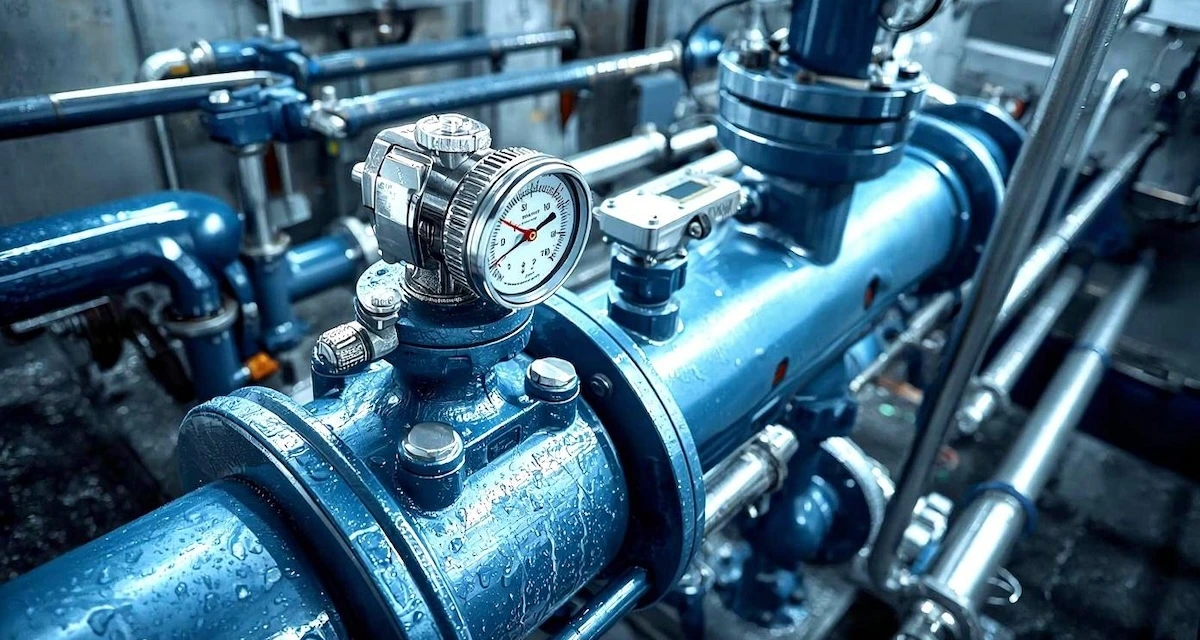
Pressure monitoring in water networks: Early fault detection
M-Bus pressure sensor: Leak detection for water utilities
The cost of measurement data errors and how to prevent them

Smart Readiness Indicator (SRI): All you need to know
M-Bus installation tool Wizard from ACRIOS
Coulomb meter: Everything you need to know
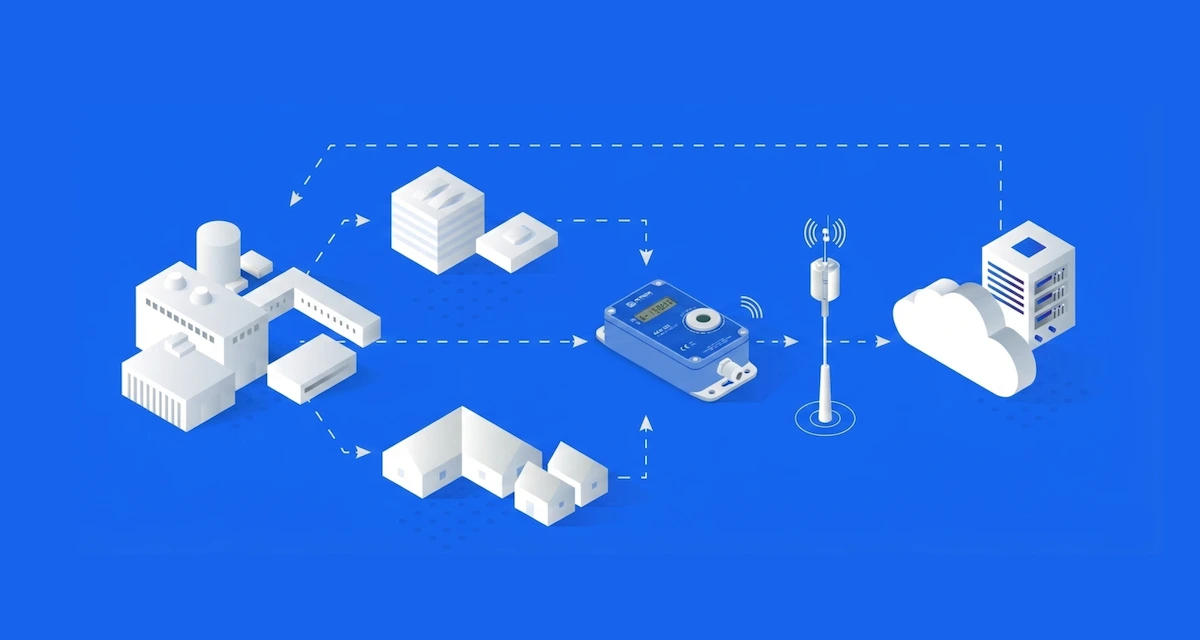
ACR-EX in water utilities: remote reading of pulse water meters

ACRIOS and Quectel announce partnership

External or internal? How custom development works

Proven deployment of 10,000 wM-Bus converters for EED
Choosing a remote reading system for water utilities
Open data interfaces pay off for reporting and integration
Scripting in IoT: Flexibility, sustainability, and protection

Gas meter data to dashboard: ACR-EX meets Datacake
EPBD is coming: what BACS means for your building
When DTLS makes sense. Know before you deploy
Not your keys, not your hardware
868 MHz or 433 MHz? The right choice for your wM-Bus
Everything you need to know, documented. ACRIOS wiki.
End-to-end custom hardware and software development
How to collect energy data to support ISO 50001
Lowering IoT TCO through smart manufacturing
Reading Sensus meters with zero hardware changes

Why 15-minute data matters in district heating

Give me a tool that works. Not a manual.

5 most common myths about remote meter reading

Battery-powered vs wired: What really costs more?

Cyber Resilience Act and IoT hardware
Next-gen meter readings, no replacements needed

Modernising metering infrastructure

M-Bus to IoT integration explained

Understanding TCO: More than just hardware

NB-IoT technology: All you need to know

LoRaWAN: All you need to know

M-Bus, wM-Bus, and RS-485: A technology guide

LoRaWAN vs. NB-IoT: Which technology is right for you?
Smart metering: What it is and why it matters

IoT: Technology that saves time and money