End-to-end custom hardware and software development
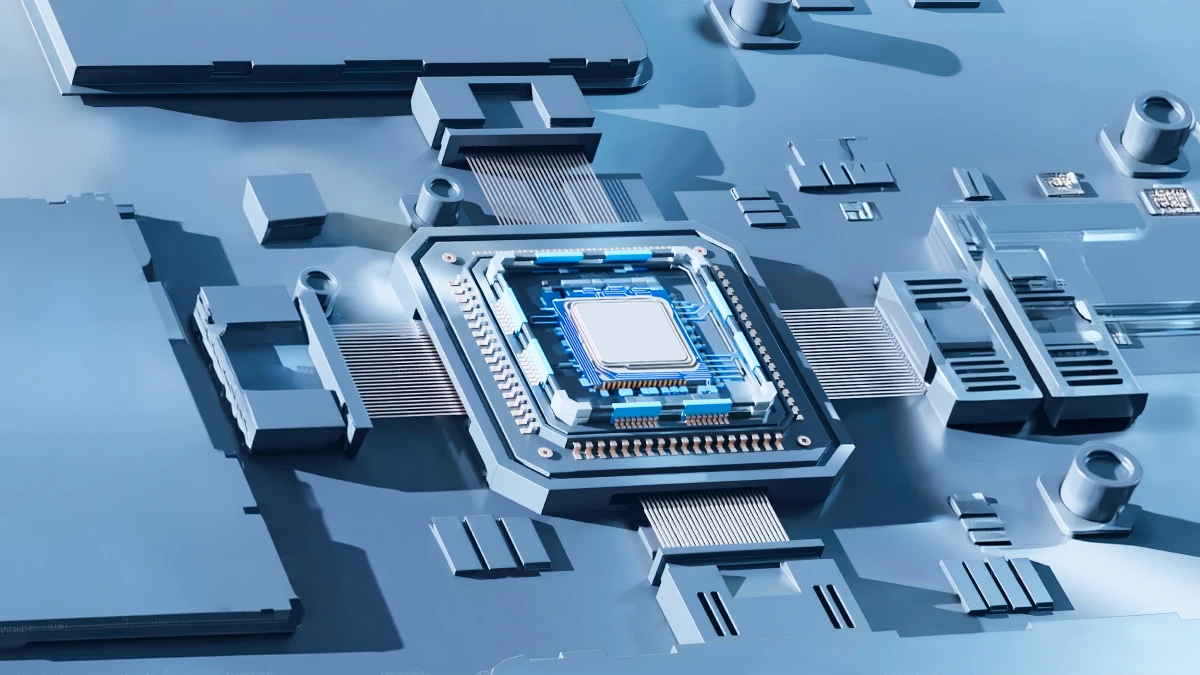
Custom development is shaping the world. Whether we like it or not. It’s one of the most effective ways to create both hardware and software tailored to specific business needs. Whether you build it in-house or bring in an external partner, working this way gives you control, flexibility, and better long-term value.
How custom development works with ACRIOS
Custom development means building technology solutions tailored to your specific needs. So we can deliver a purpose-built solution based on your request. Whether it's a full product or just a missing piece. Importantly, custom development also includes hybrid collaboration models, where an external team supports your internal one. This flexibility lets you scale your project dynamically by bringing in external developers for specific tasks that may exceed your in-house capacity.
There are countless advantages to choosing a custom approach over off-the-shelf solutions. While it’s not always the right fit, in many cases it turns out to be exactly what you need. The core purpose of custom development is to deliver a specialised product, tailored to perform a clearly defined function – reliably and efficiently.
Key benefits of custom development
While the upfront investment in custom hardware and software may be higher, it often becomes the most cost-effective solution in the long run, especially if you’re looking for:
- A purpose-built solution that directly addresses a specific problem. Once complete, you have a robust, long-term tool in your hands.
- Scalability and flexibility – you can expand or adapt the solution over time at a significantly lower cost than with traditional, generic products.
- Modern technology foundations, designed with the latest standards and architectures in mind.
- Improved security – tailored solutions are easier to align with current cybersecurity best practices, significantly reducing risks from third parties.
- Ongoing support and maintenance – with a close relationship, you benefit from long-term support and tailored service models.
Is custom development always the answer?
Not necessarily. While this approach is widely adopted and highly useful, it’s not always the most suitable option. Here are two scenarios where an alternative might be more practical:
- You need a universal solution for a common problem. In this case, it makes sense to first look at what already exists, for example, our converter range is ideal for retrofitting legacy meters.
- You want something tailored, but it’s a small-scale project. Here, modular systems may be a better fit – think of it as semi-custom development, using existing hardware that can be lightly adapted to your needs.
Custom development is ideal when you're working on a larger-scale project with specific, non-standard requirements.
So, how does custom development work?
Custom development can be carried out entirely in-house, or in collaboration with external suppliers. If you have partial in-house capacity, a hybrid approach works too. You don’t have to choose one or the other.
ACRIOS Systems and custom development
You might know us for our IoT technology. But we also offer full-service custom development. That includes complete end-to-end projects, smaller assignments using modular systems, and team augmentation for projects already in motion. Our team of specialists covers a wide range of IT domains. Since we develop both hardware and software in-house, we can do the same for you.
What exactly do we offer? Research, prototyping, and solution design. We carry out initial research and evaluate the best approach for your use case. If you’re unsure about the right path forward, we’ll analyse your situation and recommend specific next steps. This often-overlooked stage is critical for ensuring project success.
Hardware custom development with ACRIOS
Hardware development is one of our specialties. We not only design and manufacture our own products, we build custom solutions, too. We’re also happy to contribute to existing projects or modify hardware to match your intended use. Flexibility is our strength.
We provide
- Custom devices: from sensors to control or security systems
- Full hardware development: prototyping, PCB design, testing, and production
- Automated testing procedures to ensure consistent manufacturing quality
- Support for CE certification
Key technologies
- KiCAD
- EAGLE
- OrCAD
Software custom development with ACRIOS
Our software team covers a wide spectrum of technologies. We develop firmware for both: our devices and yours. Our backend team builds scalable networking environments, cloud platforms, or standalone applications with high configurability. We also design intuitive front-ends, from web dashboards to mobile apps. In short, we can deliver a complete final product.
We provide
- Firmware for embedded systems
- Back-end infrastructure for networking and cloud platforms
- Front-end interfaces for web and mobile
Key technologies
- Frontend & mobile: Kotlin, React, React Native
- Backend & server: Linux, Docker, GoLang, Python
- Firmware & embedded: STM32, NXP, ESP microcontrollers
ACRIOS' real-world project highlights
Lokni s.r.o.
We developed an integrated solution combining hardware, mobile app, and backend infrastructure for smart water vending machines. Used in public spaces and private businesses across the globe, Lokni offers filtered water as a sustainable alternative to plastic bottles.
Project scope:
- Control system design for water dispensers
- Mobile app
- Web interface for project administration
- Secured via VPS hosting
ZPT – communication system for hospitals
ZPT is a comprehensive communication system designed for hospitals and long-term care facilities. It integrates physical or virtual servers, a web-based management app, a specialised mobile app (ZPT VOX), and a monitoring app (ZPT Connect) to streamline communication and patient care.
Project scope:
- Hardware development and virtual server setup
- Web interface for administrators
- Mobile app (ZPT VOX)
Smart Container – tracking device for shipping containers
In partnership with Aeler, we developed a low-power device for monitoring the condition of shipping containers. It periodically records data and sends it over LTE to AWS for real-time cloud access.
More of what we’ve built
- Kober Motan – gas boiler control system
- Optimex – explosion measurement device
- All ACRIOS IoT converters – fully developed in-house
- Plus many other smaller custom projects
Next steps if you are interested about custom development
You are interested, but would like to know how the process work? We’ve refined our internal processes to make custom development smooth and transparent, whether you're building from scratch or enhancing an existing system. The stages below are flexible; we can skip any early steps if you already have a clear idea.
- Consultation to define goals and project requirements together
- Feasibility check and prototyping to validate the concept and create an initial prototype
- Full development – product creation begins; you get access to our project tracking system (Jira by Atlassian) to follow progress and collaborate
- Testing, optimisation, final delivery – we test thoroughly to ensure everything works as intended
- Maintenance and support – we offer long-term support and can train you to take over product management if needed
FAQs
Considering custom hardware or software development? Let’s review your requirements and outline a realistic development path, from concept and prototyping to production and long-term support.

Blog

ILI: what the EU leakage threshold measures

Pulsed water meter: All you need to know
LoRaWAN airtime: why radio conditions matter
Converter, bus, bridge, gateway: what's the difference?
What actually drains an IoT device battery
M-Bus parsing strategies for LoRaWAN and NB-IoT

How to best replace walk-by meter reading

Can your existing meters be retrofitted?

Battery life in IoT: beyond the datasheet number
Agile, Waterfall, or NRE? Choosing a development methodology
Developing adaptive IoT communication under the CRA

Focused supplier or large vendor? Depends on the project

Edge computing in IoT metering
Manufacturer as a technology partner

Why a device without an antenna fails

CE certification for IoT: What RED DA changes

Water losses in utility networks: The hidden cost of leaks

Pressure monitoring in water networks: Early fault detection
M-Bus pressure sensor: Leak detection for water utilities
The cost of measurement data errors and how to prevent them

Smart Readiness Indicator (SRI): All you need to know
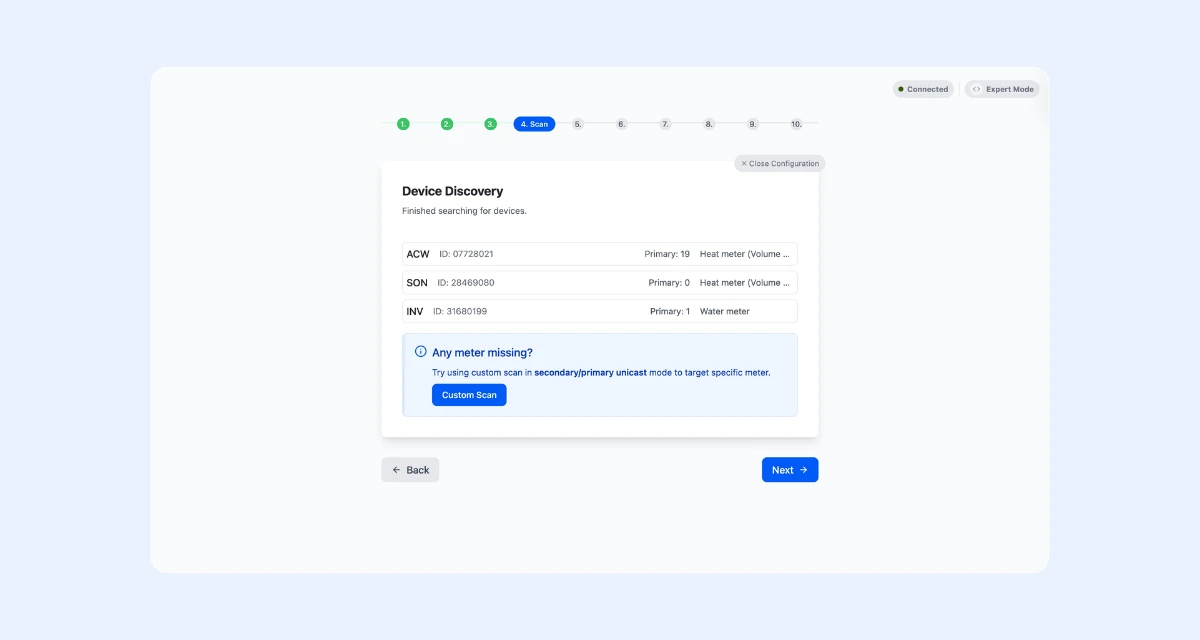
M-Bus installation tool Wizard from ACRIOS

Coulomb meter: Everything you need to know
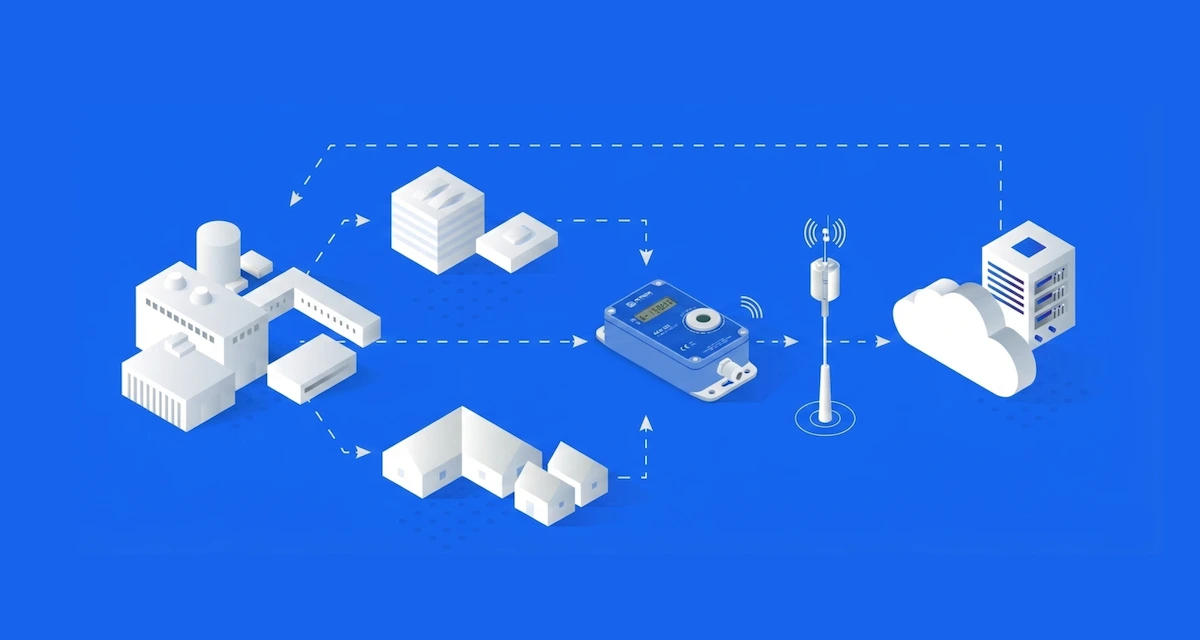
ACR-EX in water utilities: remote reading of pulse water meters

ACRIOS and Quectel announce partnership

External or internal? How custom development works
Proven deployment of 10,000 wM-Bus converters for EED
Choosing a remote reading system for water utilities
Open data interfaces pay off for reporting and integration

15-minute vs daily meter readings frequency explained
Scripting in IoT: Flexibility, sustainability, and protection

Gas meter data to dashboard: ACR-EX meets Datacake
EPBD is coming: what BACS means for your building
When DTLS makes sense. Know before you deploy

Not your keys, not your hardware
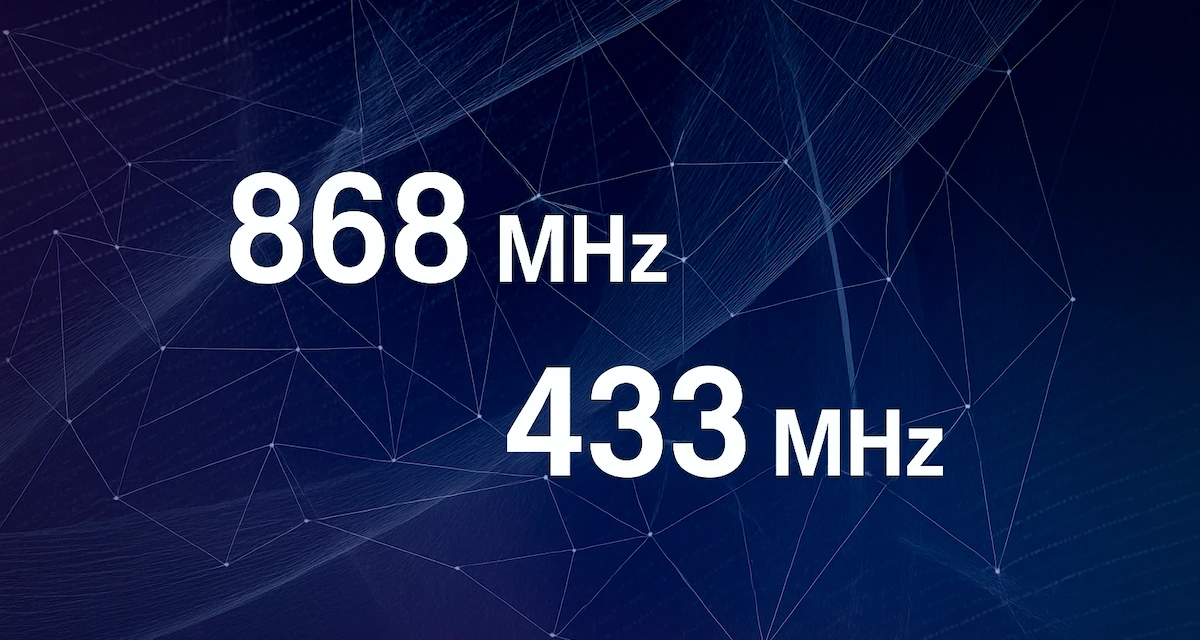
868 MHz or 433 MHz? The right choice for your wM-Bus
Everything you need to know, documented. ACRIOS wiki.
How to collect energy data to support ISO 50001
Lowering IoT TCO through smart manufacturing

Reading Sensus meters with zero hardware changes

Why 15-minute data matters in district heating

Give me a tool that works. Not a manual.

5 most common myths about remote meter reading

Battery-powered vs wired: What really costs more?

Cyber Resilience Act and IoT hardware
Next-gen meter readings, no replacements needed

Modernising metering infrastructure

M-Bus to IoT integration explained

Understanding TCO: More than just hardware

NB-IoT technology: All you need to know

LoRaWAN: All you need to know

M-Bus, wM-Bus, and RS-485: A technology guide

LoRaWAN vs. NB-IoT: Which technology is right for you?
Smart metering: What it is and why it matters

IoT: Technology that saves time and money