Smart Readiness Indicator (SRI): All you need to know

Europe's Energy Performance of Buildings Directive (EPBD) is reshaping how buildings are managed and valued across the continent. Alongside the familiar Energy Performance Certificate, it includes a new metric: the Smart Readiness Indicator (SRI); a standardised rating of how intelligently a building can manage energy, respond to occupants, and interact with the grid.
For building owners and administrators, SRI is quickly becoming more than a compliance checkbox. It is a measurable signal of a building's digital maturity, operational efficiency, and future-proofing, with direct impact on running costs and the ability to meet incoming legislative requirements. Buildings across the EU account for around 40% of total energy consumption and over a third of energy-related greenhouse gas emissions, which is precisely why the EU is accelerating their digitalisation.
Key takeaways
- The Smart Readiness Indicator (SRI) is an EU framework under the Energy Performance of Buildings Directive (EPBD) for assessing how effectively a building can use smart technologies to manage energy, respond to occupants’ needs and interact with energy grids.
- The SRI assesses smart-ready services across nine technical domains, including heating, cooling, domestic hot water, ventilation and monitoring and control. Services are evaluated according to their functionality levels and their contribution to seven impact criteria.
- While an Energy Performance Certificate (EPC) assesses a building’s energy performance, the SRI evaluates its capability to use smart technologies. The two assessments provide complementary information.
- The SRI remains an optional scheme under the current EU framework. The EPBD requires the European Commission to adopt a delegated act by 30 June 2027 concerning its application to non-residential buildings with relevant heating or air-conditioning systems rated above 290 kW.
- Metering and connectivity provide a practical starting point for improving smart readiness. The monitoring and control domain includes capabilities related to energy monitoring, fault detection and the operation of building technical systems.
- Existing meters with compatible M-Bus, wM-Bus, Modbus or pulse interfaces can be connected through IoT converters, enabling automated data collection and more frequent monitoring without replacing the meters.
- A practical improvement roadmap begins with an assessment of existing meters and building systems, followed by connectivity, monitoring, analytics and the gradual integration of building automation and control systems (BACS). A formal SRI assessment can then help evaluate the building’s smart readiness.
What SRI actually measures
The SRI evaluates a building across nine technical domains: heating, domestic hot water, cooling, ventilation, lighting, electricity, EV charging infrastructure, dynamic building envelope, and monitoring and control; assessing 54 smart-ready services in total. Each service is scored from 0 to 4 based on functionality level, and the results are weighted across three impact criteria: energy efficiency optimisation, adaptation to occupant needs, and grid interaction (energy flexibility). While an Energy Performance Certificate tells you how energy-efficient a building is by design, the SRI tells you how intelligently it can manage that performance in real time.
The SRI is currently voluntary across the EU, with 16 member states including Austria, Belgium, France, Germany, Italy, Poland, and Spain already running national pilot programmes. These pilots are actively shaping national methodologies and establishing what "good" looks like in practice. The key milestone: by 30 June 2027, the European Commission is expected to adopt a delegated act making the SRI mandatory for non-residential buildings with an effective rated HVAC output above 290 kW. Large commercial offices, industrial facilities, and multi-tenant buildings are the first in scope. This runs in parallel with EU Regulation 2020/1689, which already requires Building Automation and Control Systems (BACS) in new and renovated non-residential buildings above the same 290 kW threshold. Both obligations can, and should, be addressed with the same infrastructure investment.
Why metering and connectivity are your main lever
A building cannot behave intelligently without data. The SRI methodology directly rewards the infrastructure that generates it. The "monitoring and control" domain is one of the highest-value areas in the assessment, covering smart metering, consumption monitoring, fault detection, remote diagnostics, and BACS integration. Many existing buildings contain technologies installed at different times, by different suppliers, running on incompatible protocols; systems that operate in isolation and cannot support automation. One of the core ambitions of SRI is to push buildings toward integrated digital infrastructure that enables actual intelligent operation. The principle is simple: better data collection and connectivity directly translate into a higher SRI score.
The strategic opportunity: retrofit, not replacement
A common misconception is that improving your SRI score requires a full, costly overhaul of your metering infrastructure. It does not. If your existing heat, water and gas meters are in working order and carry standard industrial interfaces such as M-Bus, wM-Bus, Modbus, or pulse outputs, they are ready to become part of a smart building solution today. The answer is IoT retrofit: installing smart converters onto existing meters. These devices act as a digital bridge, adding connectivity and intelligence to older hardware without replacing it. With this step, a building moves from "manual readings" to "continuous monitoring and reporting", a leap in functionality that the SRI methodology directly rewards, at a fraction of the cost of meter replacement.
What a retrofit unlocks for your SRI score
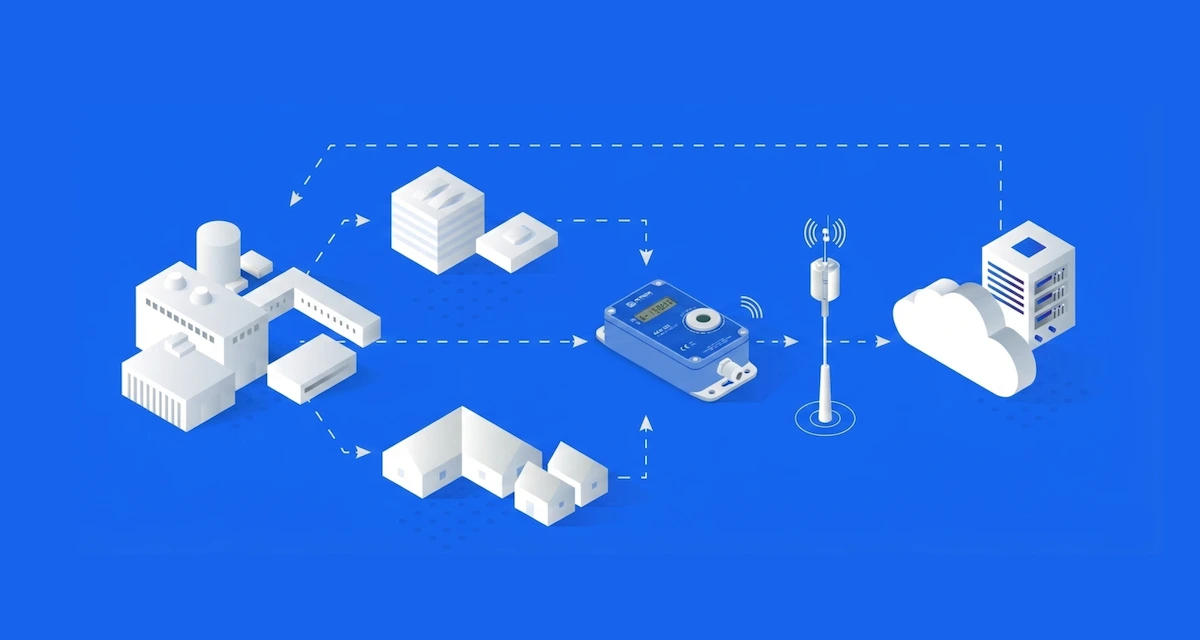
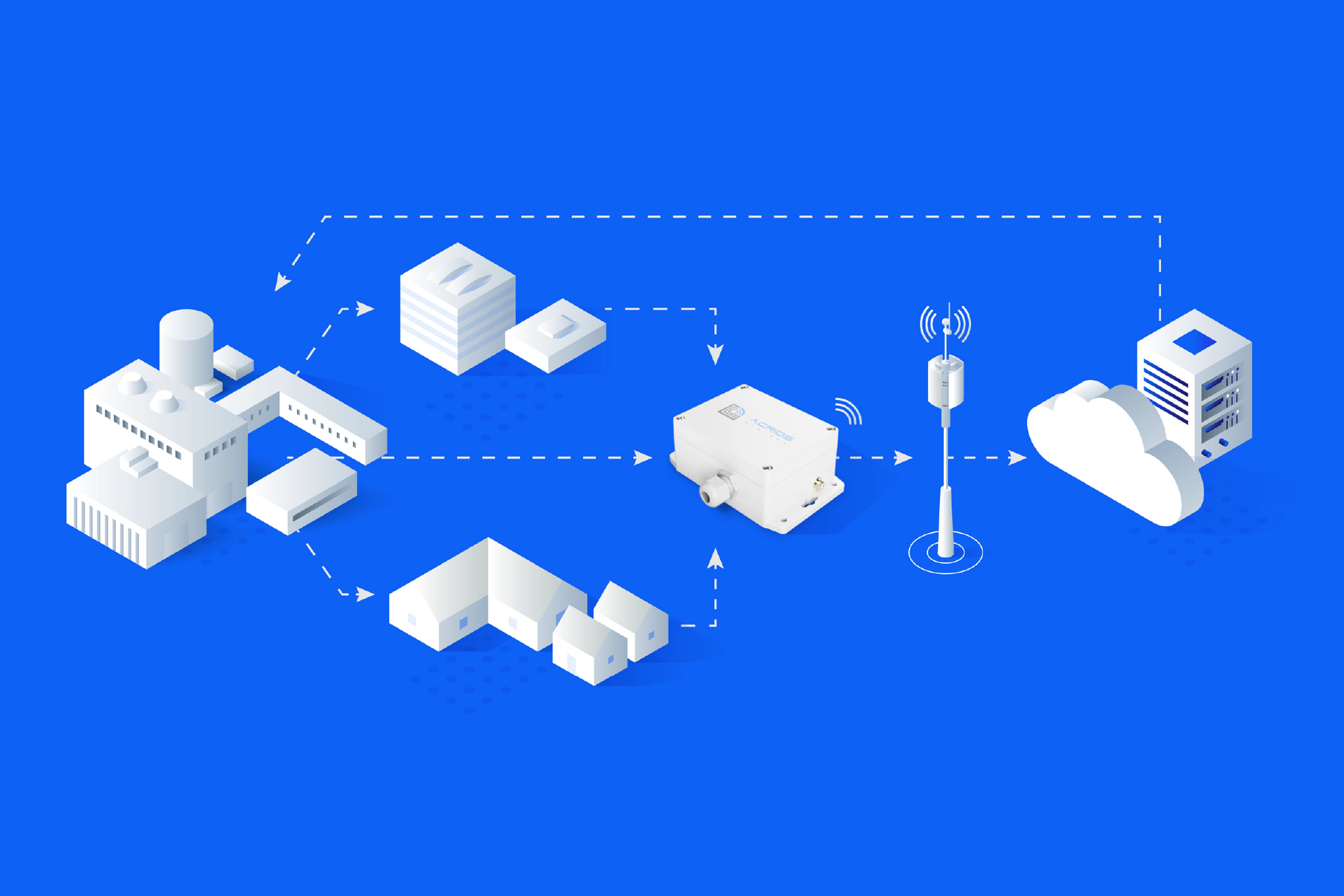
- Input: existing meters (pulse / M-Bus / Modbus / wM-Bus) → IoT converters → cloud platform or BACS
- SRI services enabled: smart metering, consumption monitoring and reporting, remote configuration, response to tariff and grid signals
- Impact: higher scores in the monitoring and control domain; improved ratings across energy efficiency, predictive maintenance, and flexibility criteria
Why it pays off in practice
A higher SRI score is not just about ticking a legislative box, it changes how you run the building day to day. With continuous consumption data coming in, you can spot where energy is being wasted, catch equipment problems before they become expensive failures, and stop paying for peaks you could have avoided.
From a broader perspective, a documented SRI score also makes your building easier to position, whether for tenants who care about running costs, or when ESG reporting requirements come knocking. But that is a secondary benefit. The primary one is simply that you understand your building better and can manage it more effectively.
A practical roadmap to a higher SRI score
- Audit your starting point. Map your existing metering infrastructure: what meters you have, what protocols they use, and what their remaining service life is. This gives you a clear picture of what can be retrofitted and what needs replacing, and forms the basis for a realistic investment plan.
- Deploy the data layer. Install IoT converters on existing functional meters, or replace end-of-life meters with smart meters or meter-plus-converter combinations. Either way, you establish the continuous data flow that SRI and energy management both require.
- Implement monitoring and analytics. With data flowing to a cloud platform, you can begin automated reporting, consumption visualisation, anomaly detection, and performance benchmarking — generating immediate operational insights.
- Introduce BACS gradually. With a solid data foundation, you can layer in building automation: time-scheduled controls, operational optimisation, and fault detection. This is typically where the largest SRI score improvements are achieved.
- Commission a formal SRI assessment. CEN has published a standardised audit methodology (CWA 18193:2025). To formally certify and use your SRI score for or documentation, reporting, or green financing.
The Smart Readiness Indicator is not just another EU regulation. It is a financial and strategic tool for the modern building owner. It provides a clear, comparable framework to measure and enhance the digital intelligence of real estate assets, with direct effects on operating costs, market value, and long-term compliance readiness.

Glossary of terms used
- BACS (Building Automation and Control Systems): systems that monitor and automatically control a building’s technical equipment, such as heating, cooling, ventilation and lighting
- Converter: a device that converts a signal or data from one interface or format into another, enabling different sensors, meters or communication systems to work together
- CWA (CEN Workshop Agreement): a document published by the European Committee for Standardization (CEN) that records an agreement reached by participants in a CEN workshop; it is not a European Standard
- Delegated act: a legal act adopted by the European Commission to supplement or amend non-essential elements of an EU legislative act
- Dynamic building envelope: elements of the building envelope, such as shading or windows, that can adjust to changing conditions to manage heat, light or energy use
- Energy flexibility: a building’s ability to adjust energy consumption, generation or storage in response to grid signals, energy prices or operating conditions
- EPBD (Energy Performance of Buildings Directive): the EU directive setting requirements for the energy performance of buildings, including energy performance certificates, building automation and the SRI
- EPC (Energy Performance Certificate): a certificate that rates a building’s energy performance according to a national calculation methodology
- HVAC (Heating, Ventilation and Air Conditioning): the technical systems that provide heating, ventilation and air conditioning in a building
- Key functionalities and impact criteria: the SRI assesses three key functionalities (energy performance and operation, response to occupants’ needs and energy flexibility) through seven impact criteria, including energy efficiency, comfort and maintenance and fault prediction
- Retrofit: connecting existing, working meters to modern communication networks and data systems without replacing them
- Smart-ready service: a function supported by a building’s technical systems, such as heating control or consumption monitoring, which the SRI assesses by its level of functionality
FAQs
The SRI is an EU rating system introduced under the EPBD that measures how intelligently a building can use digital technologies to optimise energy use, adapt to occupant needs, and interact with the energy grid. It produces a score and class that enables standardised comparison between buildings and guides investment in digitalisation.
An EPC provides a static rating of a building's energy efficiency based on its construction and installed systems. The SRI rates its dynamic intelligence, how well it can automatically manage, optimise, and adapt that performance in real time. A building can have a strong EPC but a low SRI if its systems cannot be monitored or controlled automatically.
Yes. If your meters have standard outputs, such as M-Bus, wM-Bus, Modbus, or pulse, you can retrofit them with IoT converters that enable remote reading and continuous data collection. This satisfies the SRI's metering and connectivity requirements and unlocks further automation at a fraction of the cost of full meter replacement.
BACS (Building Automation and Control Systems) are the integrated systems that automatically control a building's technical equipment such as HVAC, lighting, and more. BACS functionality is directly assessed in the SRI, and its installation in large non-residential buildings is also separately mandated under EU Regulation 2020/1689. A metering retrofit is typically the data foundation that makes BACS viable.
A higher SRI score means better visibility into how your building consumes energy, enabling smarter operation, lower running costs, and proactive maintenance. It also makes the building more attractive to tenants, supports ESG reporting requirements, and demonstrates compliance readiness ahead of the 2027 legislative deadline.
Want to know whether your existing meters are ready for an IoT retrofit and what it would take to get your building's data flowing? We specialise in connecting existing meters to IoT networks without replacing them. Get in touch with us, and we'll go through your building's metering setup, the protocols your meters use, and which ACRIOS converter fits your situation.

Blog
ILI: what the EU leakage threshold measures

Pulsed water meter: All you need to know
LoRaWAN airtime: why radio conditions matter
Converter, bus, bridge, gateway: what's the difference?
What actually drains an IoT device battery
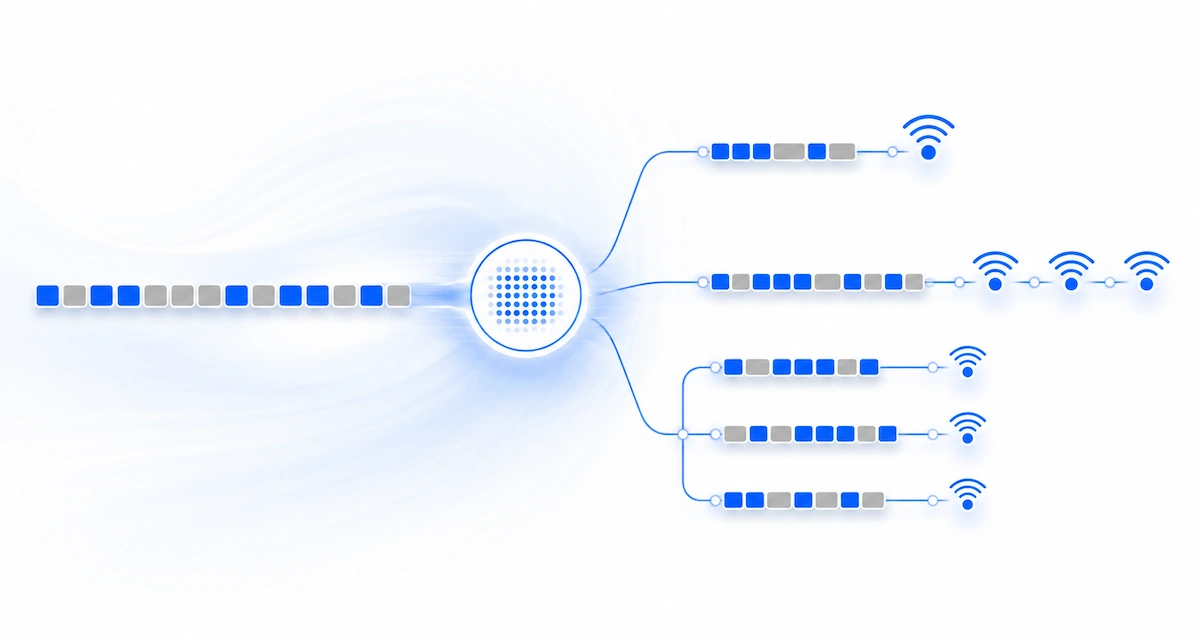
M-Bus parsing strategies for LoRaWAN and NB-IoT

How to best replace walk-by meter reading

Can your existing meters be retrofitted?

Battery life in IoT: beyond the datasheet number
Agile, Waterfall, or NRE? Choosing a development methodology

Developing adaptive IoT communication under the CRA

Focused supplier or large vendor? Depends on the project

Edge computing in IoT metering
Manufacturer as a technology partner

Why a device without an antenna fails

CE certification for IoT: What RED DA changes

Water losses in utility networks: The hidden cost of leaks
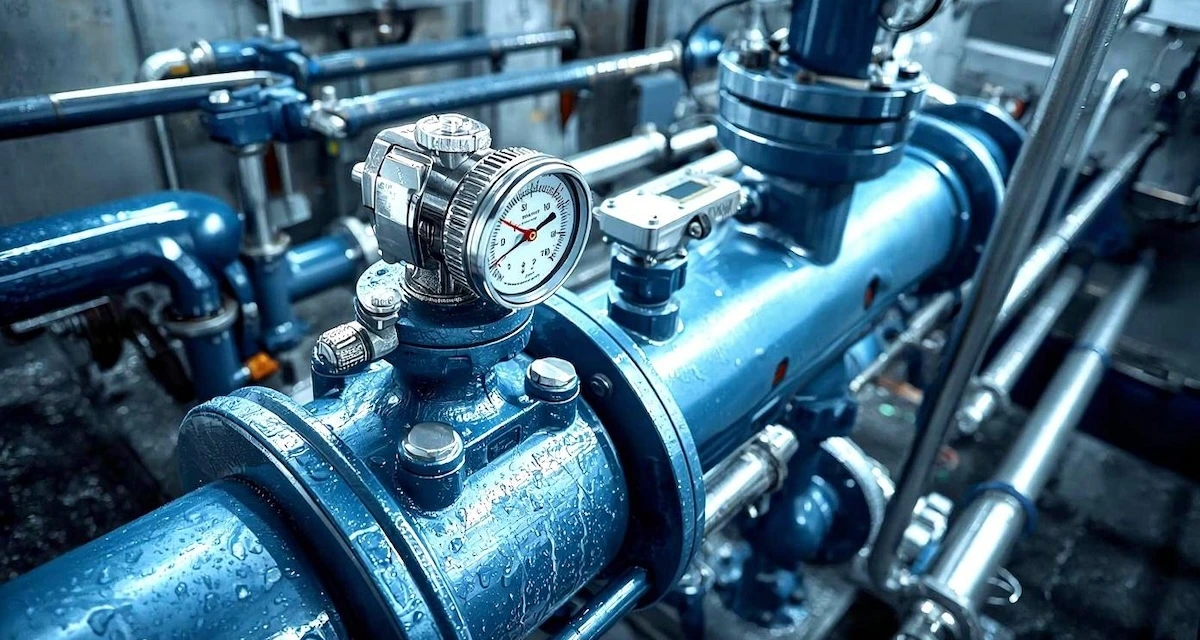
Pressure monitoring in water networks: Early fault detection
M-Bus pressure sensor: Leak detection for water utilities
The cost of measurement data errors and how to prevent them
M-Bus installation tool Wizard from ACRIOS

Coulomb meter: Everything you need to know
ACR-EX in water utilities: remote reading of pulse water meters

ACRIOS and Quectel announce partnership

External or internal? How custom development works

Proven deployment of 10,000 wM-Bus converters for EED
Choosing a remote reading system for water utilities
Open data interfaces pay off for reporting and integration

15-minute vs daily meter readings frequency explained
Scripting in IoT: Flexibility, sustainability, and protection

Gas meter data to dashboard: ACR-EX meets Datacake
EPBD is coming: what BACS means for your building
When DTLS makes sense. Know before you deploy

Not your keys, not your hardware
868 MHz or 433 MHz? The right choice for your wM-Bus
Everything you need to know, documented. ACRIOS wiki.

End-to-end custom hardware and software development
How to collect energy data to support ISO 50001

Lowering IoT TCO through smart manufacturing

Reading Sensus meters with zero hardware changes

Why 15-minute data matters in district heating

Give me a tool that works. Not a manual.

5 most common myths about remote meter reading

Battery-powered vs wired: What really costs more?

Cyber Resilience Act and IoT hardware
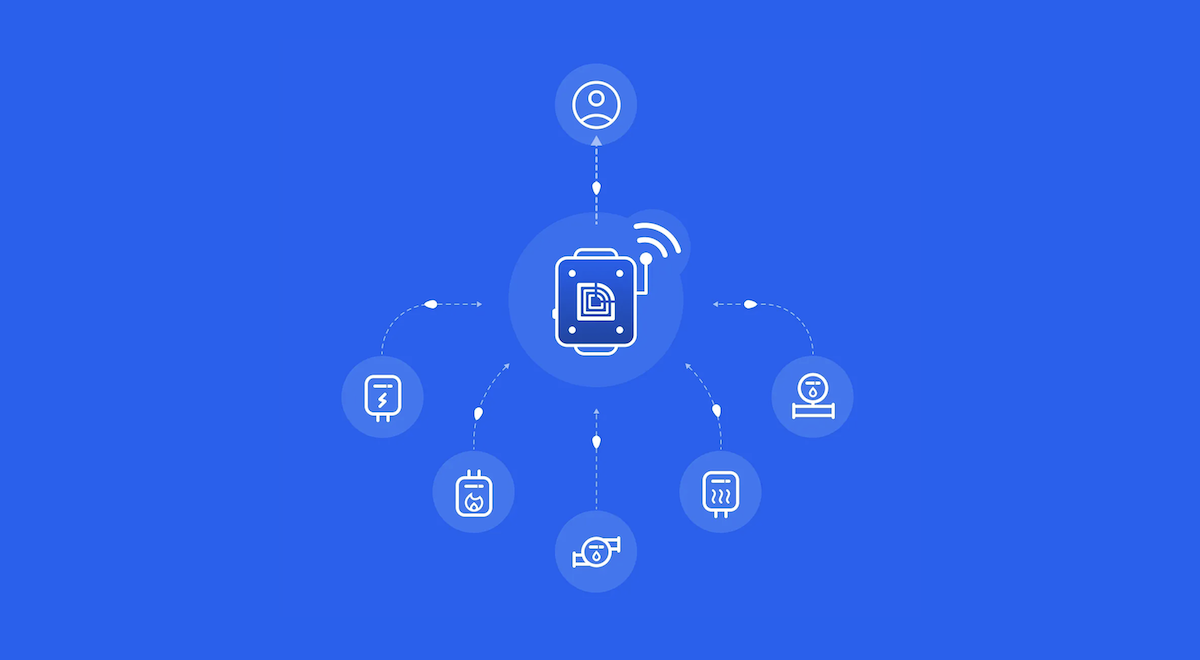
Next-gen meter readings, no replacements needed

Modernising metering infrastructure

M-Bus to IoT integration explained

Understanding TCO: More than just hardware

NB-IoT technology: All you need to know

LoRaWAN: All you need to know

M-Bus, wM-Bus, and RS-485: A technology guide

LoRaWAN vs. NB-IoT: Which technology is right for you?
Smart metering: What it is and why it matters

IoT: Technology that saves time and money