Battery-powered vs wired: What really costs more?

They say price isn’t everything. And when it comes to selecting a data bus for metering, that’s especially true. We recently helped a customer facing a familiar dilemma: choose between two options. One was cheaper – on paper. The other offered a complete solution, but cost a few thousand more. The key difference? One needed external power; the other ran on a battery.
Naturally, the customer asked: “Why should I pay more for something that looks nearly identical?”
So, we ran the numbers. At first glance, the externally powered bus looked like the better deal. But then came the hidden costs: cabling, electrician fees, inspections, enclosures, time. In the end?The total cost was about the same – or sometimes even more. The difference wasn’t on the invoice. It was in the reality of installation and operation.
What stays hidden beneath the line
Most people focus only on the device price. But once a bus has to be connected to mains power, you’re dealing with a whole different level of complexity. You need proper electrical installation. That’s not just running a cable – it’s finding a spare circuit breaker, potentially routing cables across floors, and doing all this in occupied buildings.
And it doesn’t stop there. Any permanently powered device must undergo inspection. An electrician has to connect it, an inspector must approve it, and someone has to log it all. If anything changes – relocation, breaker failure – you’re back to square one.
When everything is accounted for, you’re easily thousands over the base price. And more importantly: all of it is on you. Coordinating, overseeing, paying. Which adds another item to your already full plate.
How the battery-powered data bus option works
In contrast, a battery-powered bus installs in about ten minutes. Mount it to the wall, power it on, done. No cables, no inspections, no electrician. And the battery lasts over ten years – even with daily readings. This means you can put it in a basement or hallway and forget it exists for a decade. No connections, no power outages, no reset worries if a breaker trips.
And the best part? It just works. Reliably. Without downtime or intervention. If changes are needed, they’re done remotely. And all those “invisible” costs people often forget to factor in? Gone.
Benefits you feel immediately
- No structural work during installation. No wall drilling, no distribution box, no cables.
- Zero time wasted on coordinating electricians. No scheduling, no follow-ups, no compliance checks.
- No inspections = no admin hassle. No need to file reports if something goes wrong. No panic.
- Maintenance-free for 10 years. Install once – trust that it’s running daily without issue.
Same cost. Different impact.
Back to our customer: once we compared real total costs, not just the devices, both options ended up costing roughly the same. But one involved weeks of planning, stress, and paperwork. The other? A clean install, done in minutes, and peace of mind for years.
Cost comparison: Externally powered vs ACRIOS battery-powered data bus

The bottom line?
It’s not about the price tag on the box – it’s about everything that comes with it. Externally powered data buses may seem cheaper, but you’re buying into inspections, cabling, coordination, and long-term responsibility.
Battery-powered buses might cost a little more upfront – but what you really get is peace of mind. And in a business where your attention is already stretched thin, that peace is worth every penny.
FAQs
Yes. Quality battery‑powered systems are designed for long‑term use and can handle daily readings for 10+ years.
Typically none during the expected battery lifetime; attention is only needed when the battery is eventually replaced.
Battery lifespan estimates come from a combination of real-world measurements and detailed usage simulations. Advanced devices use coulomb counters, not just simple voltage-based estimation, which allows for highly accurate tracking of actual energy consumption and remaining battery capacity.
We offer several options. You can choose a model with dual D batteries (double the lifetime), or consult with us to optimise your configuration. In many cases, power consumption is lower than expected. And of course, mains-powered versions are available too.
Yes. Via NB‑IoT or other networks, parameters, reading intervals and firmware can be updated without physical access.
Ready to simplify your metering setup? Get in touch with our team to explore how ACRIOS battery-powered solutions can save you time, stress, and hidden costs, without compromise. Contact us today and let's find the best fit for your operation.

Blog
ILI: what the EU leakage threshold measures

Pulsed water meter: All you need to know
LoRaWAN airtime: why radio conditions matter
Converter, bus, bridge, gateway: what's the difference?
What actually drains an IoT device battery
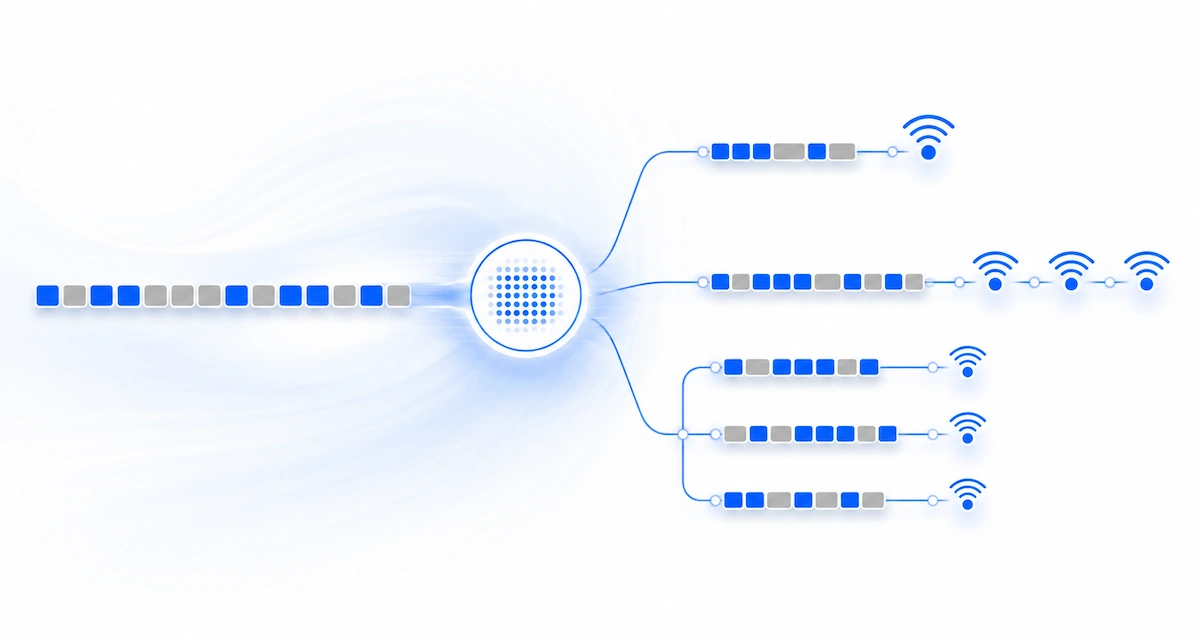
M-Bus parsing strategies for LoRaWAN and NB-IoT

How to best replace walk-by meter reading

Can your existing meters be retrofitted?

Battery life in IoT: beyond the datasheet number
Agile, Waterfall, or NRE? Choosing a development methodology
Developing adaptive IoT communication under the CRA
Focused supplier or large vendor? Depends on the project

Edge computing in IoT metering
Manufacturer as a technology partner

Why a device without an antenna fails

CE certification for IoT: What RED DA changes

Water losses in utility networks: The hidden cost of leaks
Pressure monitoring in water networks: Early fault detection
M-Bus pressure sensor: Leak detection for water utilities
The cost of measurement data errors and how to prevent them

Smart Readiness Indicator (SRI): All you need to know
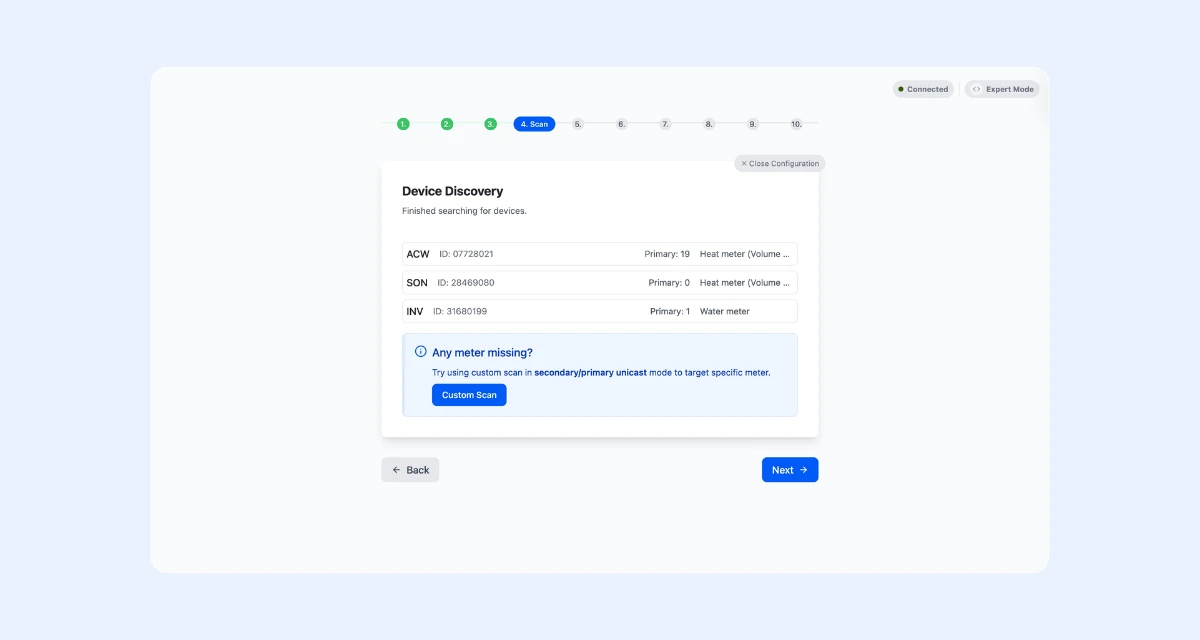
M-Bus installation tool Wizard from ACRIOS

Coulomb meter: Everything you need to know
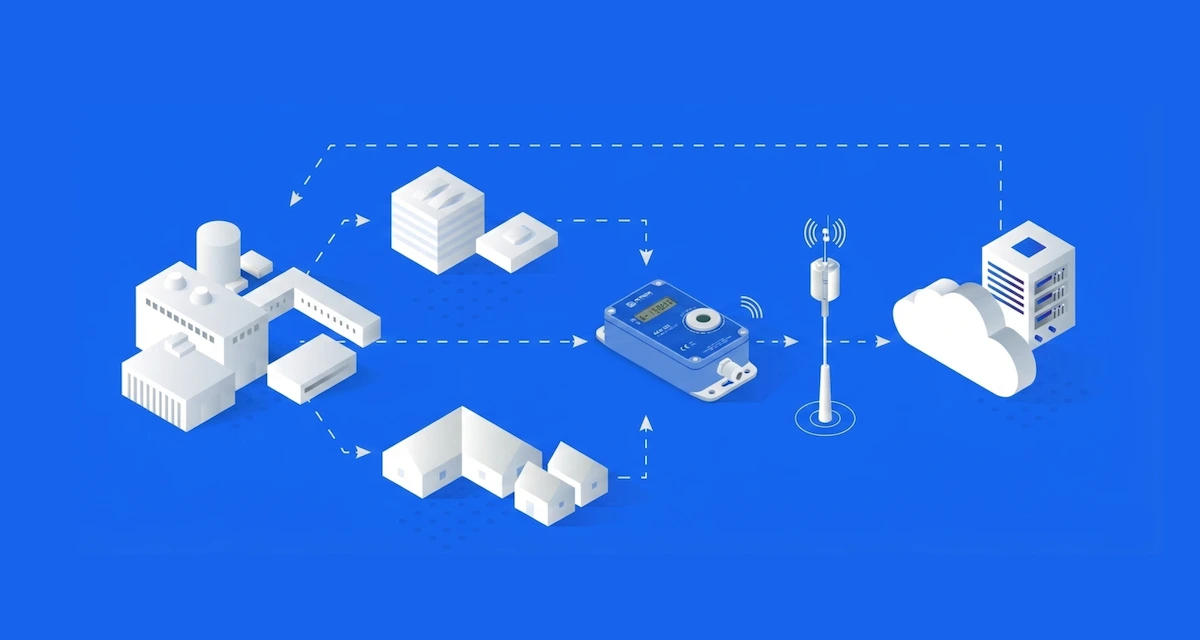
ACR-EX in water utilities: remote reading of pulse water meters

ACRIOS and Quectel announce partnership

External or internal? How custom development works

Proven deployment of 10,000 wM-Bus converters for EED
Choosing a remote reading system for water utilities
Open data interfaces pay off for reporting and integration

15-minute vs daily meter readings frequency explained
Scripting in IoT: Flexibility, sustainability, and protection

Gas meter data to dashboard: ACR-EX meets Datacake
EPBD is coming: what BACS means for your building
When DTLS makes sense. Know before you deploy
Not your keys, not your hardware
868 MHz or 433 MHz? The right choice for your wM-Bus
Everything you need to know, documented. ACRIOS wiki.
End-to-end custom hardware and software development
How to collect energy data to support ISO 50001

Lowering IoT TCO through smart manufacturing

Reading Sensus meters with zero hardware changes

Why 15-minute data matters in district heating

Give me a tool that works. Not a manual.

5 most common myths about remote meter reading

Cyber Resilience Act and IoT hardware
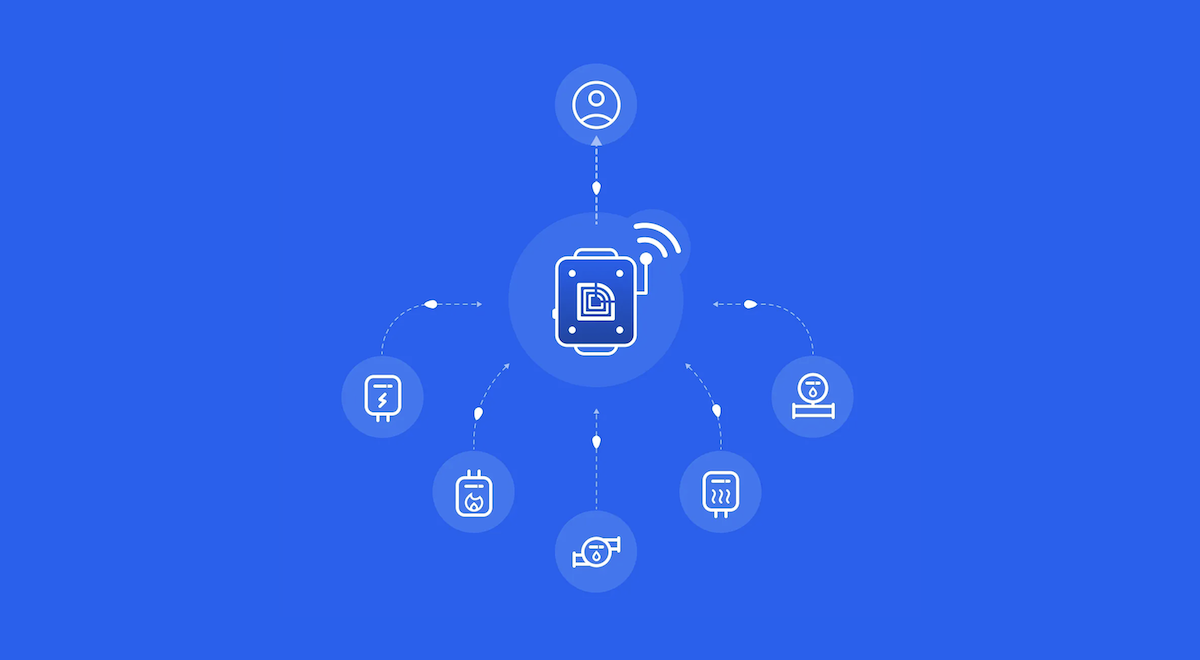
Next-gen meter readings, no replacements needed

Modernising metering infrastructure

M-Bus to IoT integration explained

Understanding TCO: More than just hardware

NB-IoT technology: All you need to know

LoRaWAN: All you need to know

M-Bus, wM-Bus, and RS-485: A technology guide

LoRaWAN vs. NB-IoT: Which technology is right for you?
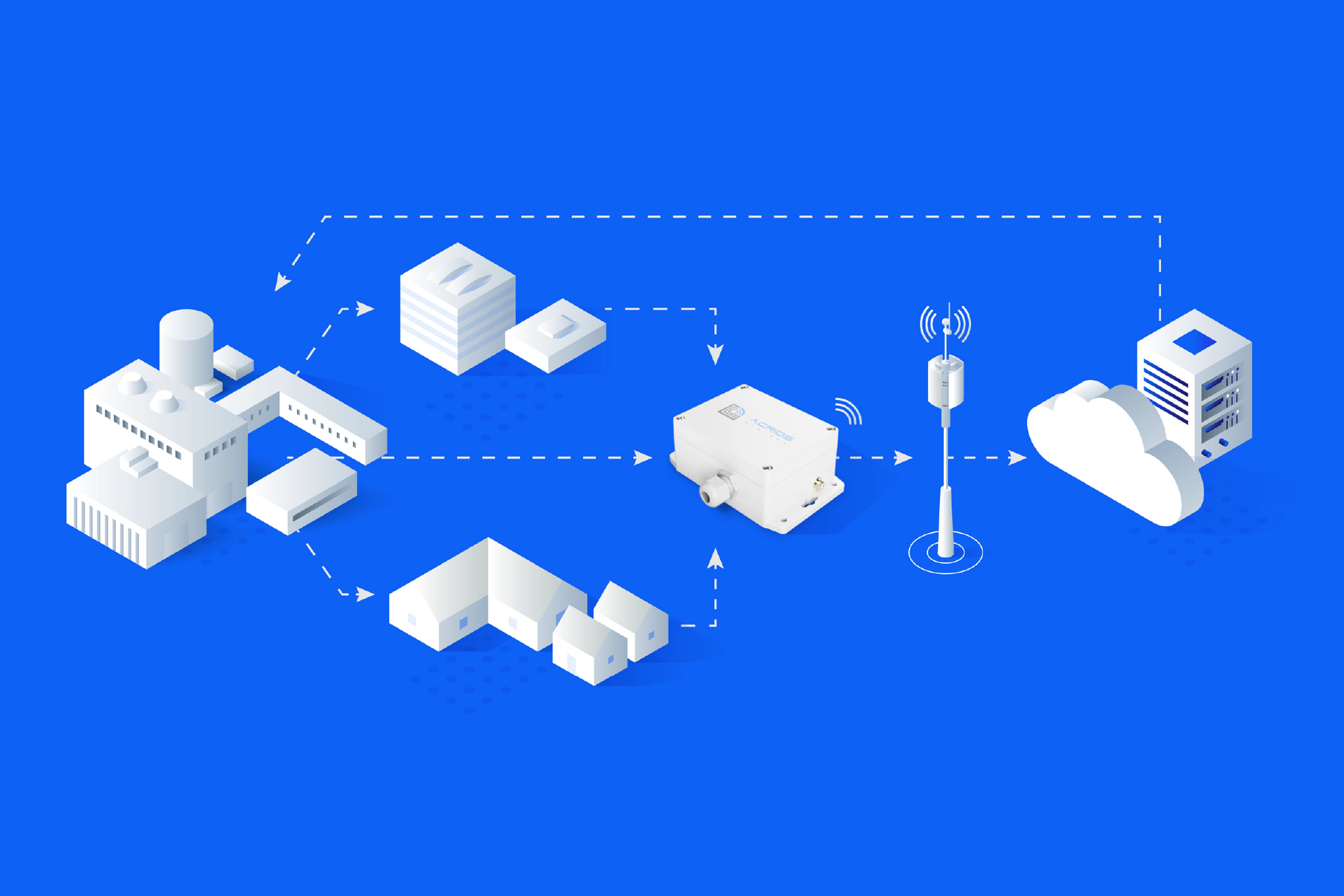
Smart metering: What it is and why it matters

IoT: Technology that saves time and money