Everything you need to know, documented. ACRIOS wiki.
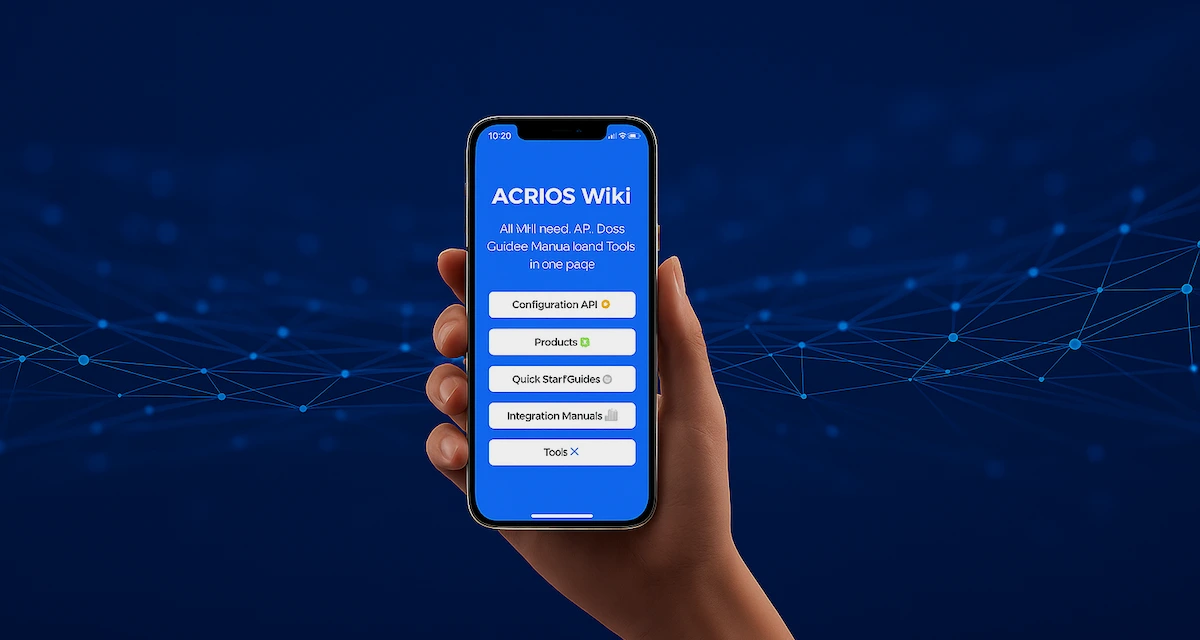
While data sheets and manuals can get the job done, a well-structured wiki makes technical support smoother and more scalable, both for our team and yours. That’s why we created the ACRIOS wiki as a central, public source of technical documentation related to our products. You can explore it freely at any time. Whether you're deploying converters in the field, writing Lua scripts, or integrating ACRIOS data into a cloud dashboard, the wiki provides the resources you need, all in one place.
ACRIOS wiki: Your open-source for technical documentation
Each product page includes links to all related documents, from quick start guides to full integration manuals. Content is organised into five main categories:
- Products: An overview of all our converters, with the ability to filter content by specific device
- Quick start guides: Installation instructions and wiring diagrams for field deployment
- Integration manuals: Guidance for connecting converters to platforms, protocols, or cloud environments
- Configuration API: Lua API documentation for writing or customising scripts
- Tools: Web-based tools and GUI instructions for parsing, configuration, and consumption diagnostics
Let’s take a closer look at each section.
Products
Here you can browse all our converter models, grouped by supported metering protocol (M-Bus, wM-Bus, Modbus, pulse). You can also filter based on connectivity method such as NB-IoT or LoRaWAN. Each product page acts as a central hub, linking to its relevant quick start guide, data sheet, configuration API, and other materials.
Quick start guides
Designed for field technicians, these illustrated manuals explain how to install and activate our converters directly at the meter. Each guide includes wiring diagrams and a step-by-step setup walkthrough – including how to apply or change a configuration script on site.
Integration manuals
This section goes deeper into real-world use cases – such as connecting a converter to a cloud platform, configuring remote access, or converting between M-Bus and wM-Bus. Content is grouped by protocol to make navigation easier.
Configuration API
If you're writing your own Lua scripts or adapting existing ones, this section covers the full set of available functions and command examples. All ACRIOS converters can be fully configured using Lua.
Tools
Finally, the tools section covers our browser-based apps and GUI components, including consumption calculators, telegram parsers, and visual configuration tools. It’s a helpful resource for testing behaviour before rollout, or for debugging on your own without support.
And yes, we have a YouTube channel
Did you know ACRIOS has a YouTube channel? It features configuration tutorials, walkthroughs, and other product demos. All videos are subtitled in English, so you can use YouTube’s auto-translate to view them in any language.
The ACRIOS wiki is constantly evolving. New content and updates are added as we develop new firmware or launch new models. For now, it’s available in English only. But we hope the clarity and structure make it useful to all technical users.
FAQs
Questions about the documentation? Let’s go through them together.

Blog

RS-485, RS-232 and RS-422: key differences
Modbus RTU vs TCP: All you need to know

ILI: what the EU leakage threshold measures
Pulsed water meter: All you need to know
LoRaWAN airtime: why radio conditions matter
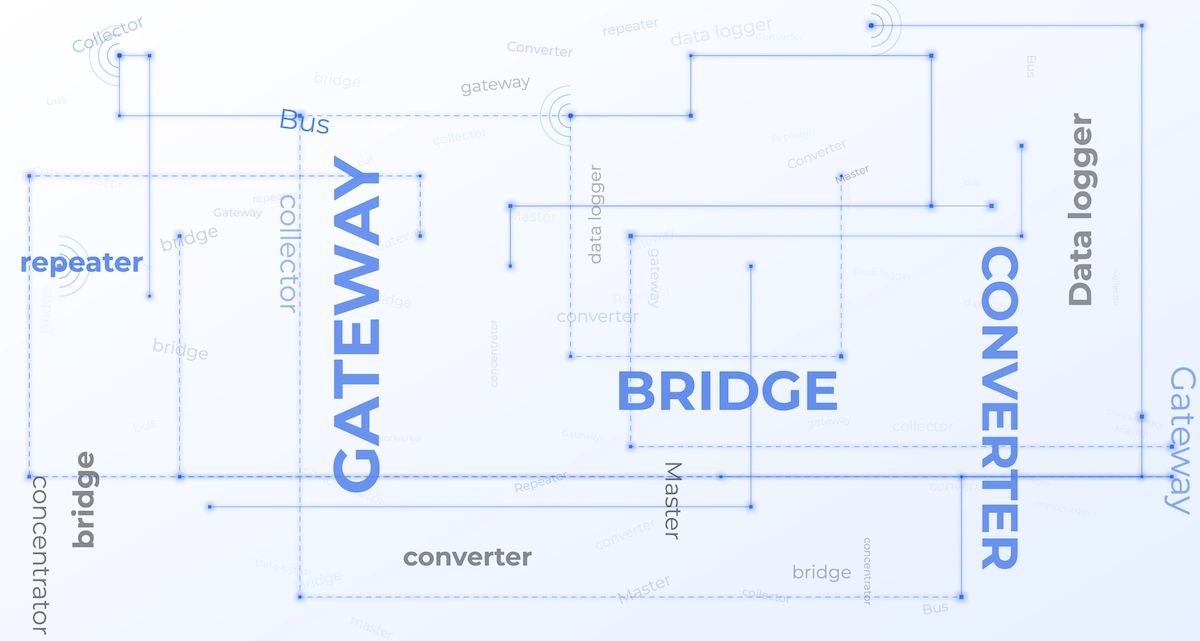
Converter, bus, bridge, gateway: what's the difference?
What actually drains an IoT device battery
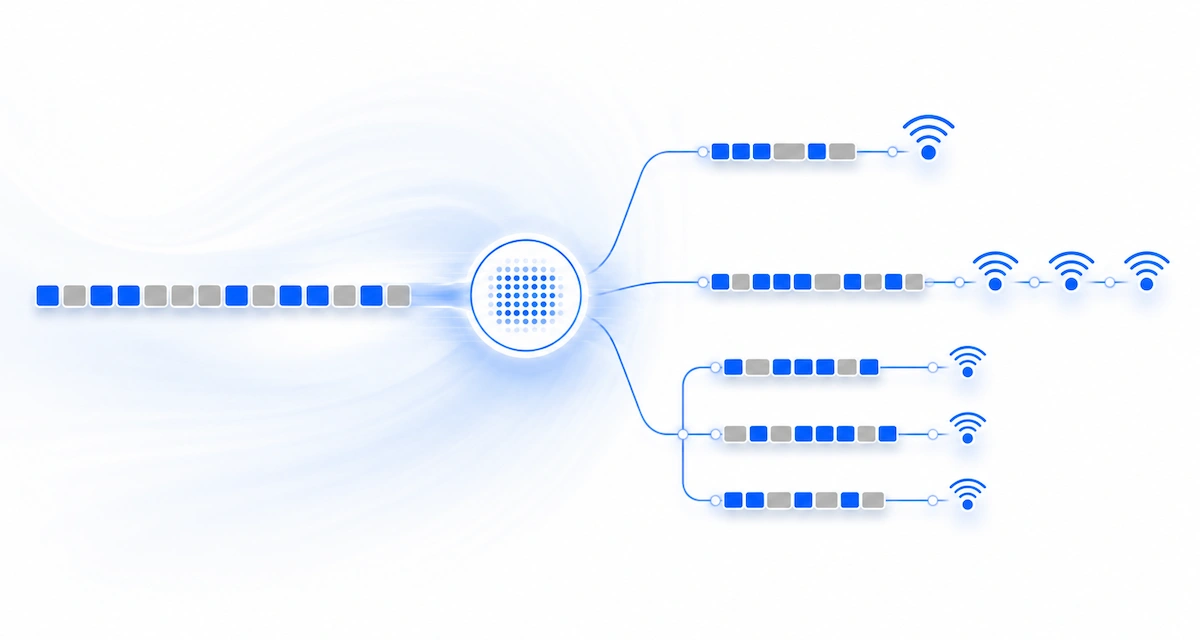
M-Bus parsing strategies for LoRaWAN and NB-IoT

How to best replace walk-by meter reading

Can your existing meters be retrofitted?

Battery life in IoT: beyond the datasheet number
Agile, Waterfall, or NRE? Choosing a development methodology
Developing adaptive IoT communication under the CRA
Focused supplier or large vendor? Depends on the project

Edge computing in IoT metering
Manufacturer as a technology partner

Why a device without an antenna fails

CE certification for IoT: What RED DA changes
Water losses in utility networks: The hidden cost of leaks
Pressure monitoring in water networks: Early fault detection
M-Bus pressure sensor: Leak detection for water utilities
The cost of measurement data errors and how to prevent them

Smart Readiness Indicator (SRI): All you need to know
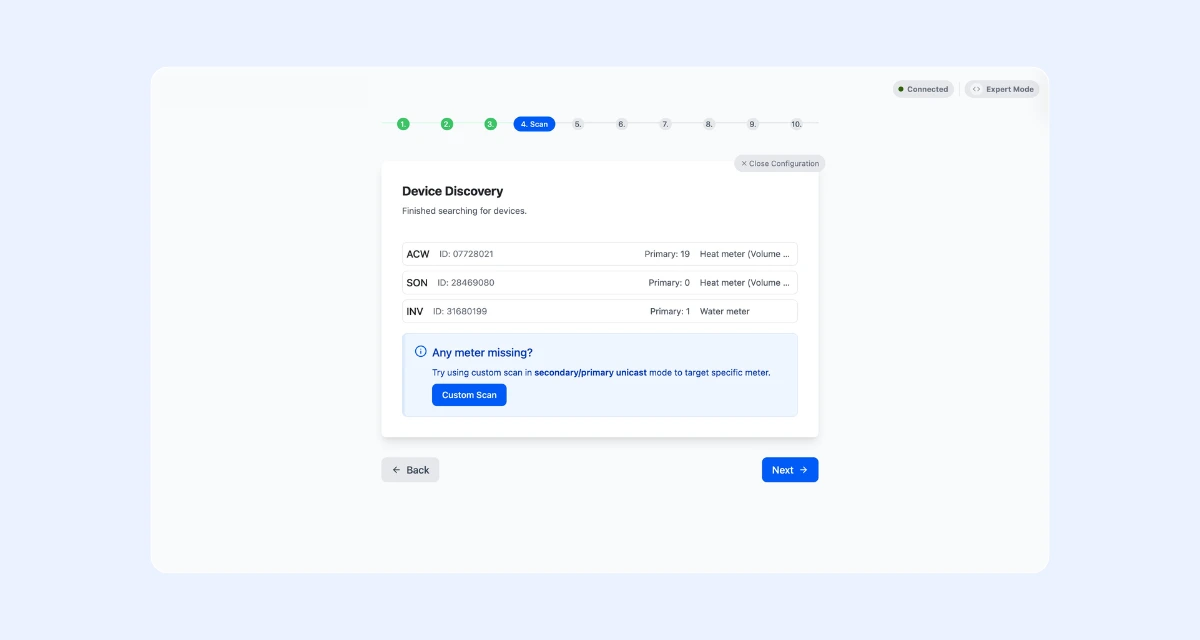
M-Bus installation tool Wizard from ACRIOS

Coulomb meter: Everything you need to know
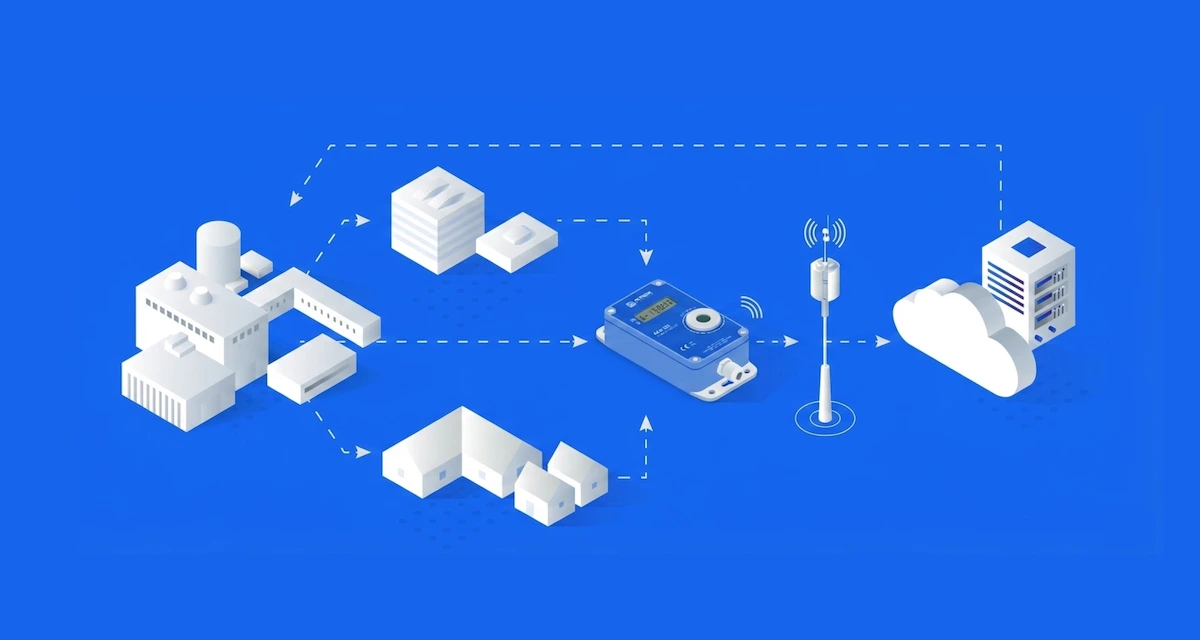
ACR-EX in water utilities: remote reading of pulse water meters

ACRIOS and Quectel announce partnership

External or internal? How custom development works

Proven deployment of 10,000 wM-Bus converters for EED
Choosing a remote reading system for water utilities
Open data interfaces pay off for reporting and integration

15-minute vs daily meter readings frequency explained
Scripting in IoT: Flexibility, sustainability, and protection

Gas meter data to dashboard: ACR-EX meets Datacake
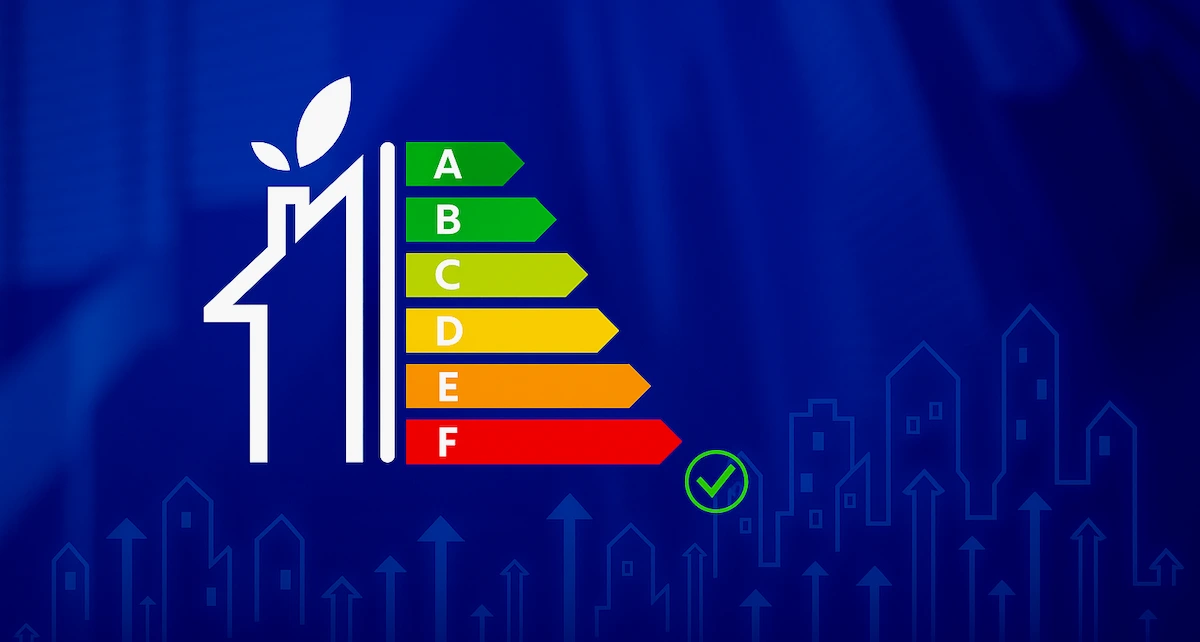
EPBD is coming: what BACS means for your building
When DTLS makes sense. Know before you deploy

Not your keys, not your hardware
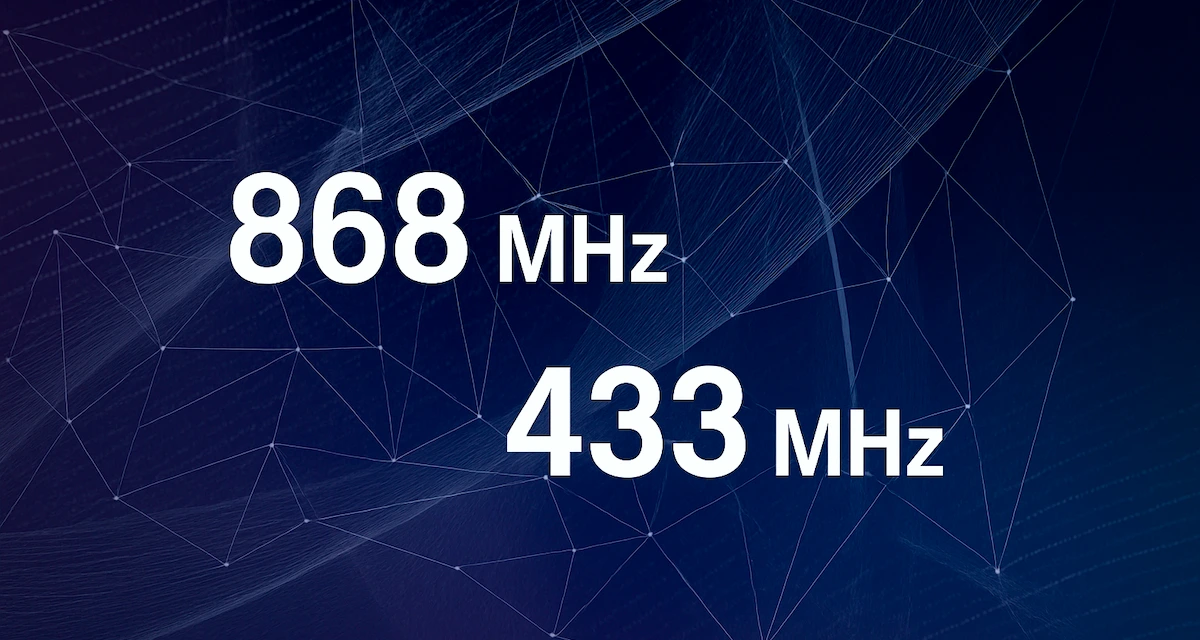
868 MHz or 433 MHz? The right choice for your wM-Bus
End-to-end custom hardware and software development
How to collect energy data to support ISO 50001
Lowering IoT TCO through smart manufacturing
Reading Sensus meters with zero hardware changes

Why 15-minute data matters in district heating

Give me a tool that works. Not a manual.

5 most common myths about remote meter reading

Battery-powered vs wired: What really costs more?

Cyber Resilience Act and IoT hardware
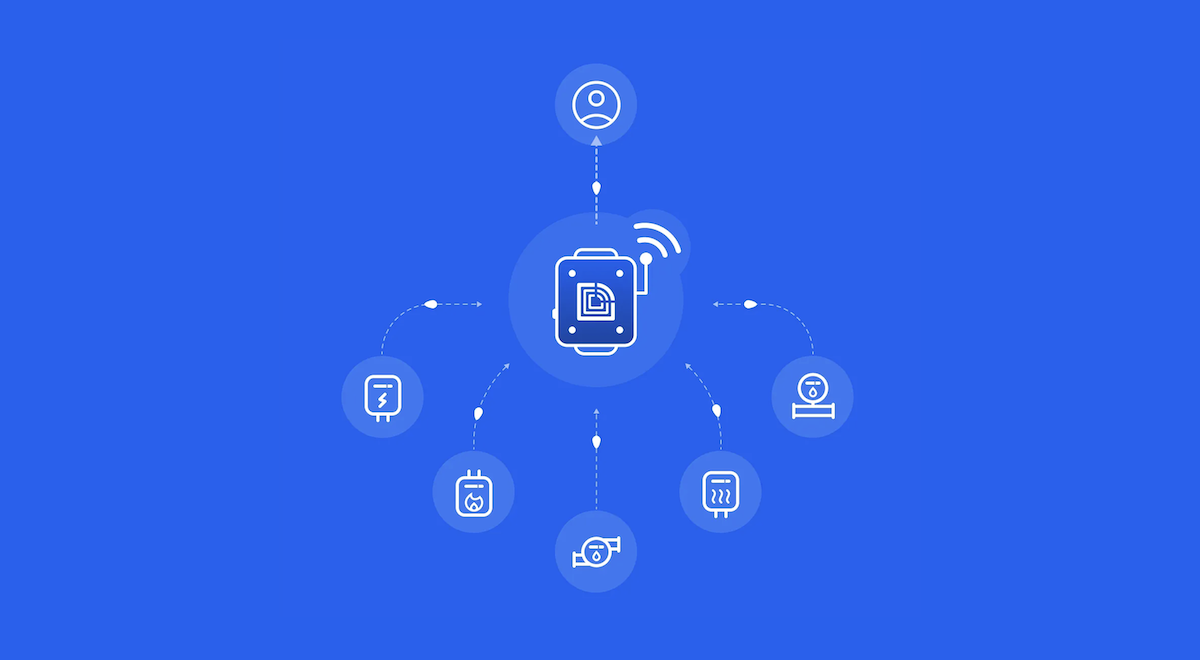
Next-gen meter readings, no replacements needed

Modernising metering infrastructure

M-Bus to IoT integration explained

Understanding TCO: More than just hardware

NB-IoT technology: All you need to know

LoRaWAN: All you need to know

M-Bus, wM-Bus, and RS-485: A technology guide

LoRaWAN vs. NB-IoT: Which technology is right for you?
Smart metering: What it is and why it matters

IoT: Technology that saves time and money