Give me a tool that works. Not a manual.

In the world of utilities, every minute spent in the field costs money. There’s simply no room for complicated configuration. Many IoT devices promise easy deployment on paper but in real conditions they become part of the problem. Why? Because their setup is overloaded with options, requires connectivity, or assumes a level of comfort you don’t get on-site.
Simplicity isn’t weakness. It’s a necessity.
From a developer’s perspective, a universal configuration tool might seem like elegant design. But from a technician’s view, in freezing weather with 15 minutes to spare, it’s unnecessary stress and a recipe for mistakes. What works in practice? A single-purpose tool that does one thing, and does it well. Set the ID, adjust the pulse ratio, check the battery – done. Ideally, without the need for an internet connection.
When simplicity is the difference between success and failure
Real-life field deployments show this clearly: the simpler the configuration, the fewer errors.
A common scenario in the field: a technician arrives at the site, connects the device, but forgets to change the default pulse ratio. The device starts sending faulty data and the mistake isn’t caught until a month later. What follows? Extra site visits, lost data, lost trust.
What really works in the field
- Optical head (e.g. IEC 62056-21): fast, standardised connection
- Simple app with no cluttered GUI: focuses on essentials only
- Offline functionality: no dependency on internet access
- Remote management options: NB-IoT / wM-Bus for updates and reconfiguration
These aren’t just lab features, they’re proven in the rain, in gloves, and under real-world pressure.
TCO isn’t just about hardware
Total Cost of Ownership (TCO) often focuses on device price, connectivity, or battery life. But time spent configuring devices has a direct impact on project cost. The faster the deployment, the lower the operational burden. The simpler the tool, the more confident the technician and the higher the chance that everything works as planned.
Think about the people in the field, not just the firmware
If you're designing or selecting IoT devices for utility operations, think about the person actually installing them.
- Single-purpose tools that don’t overwhelm
- Familiar interfaces like IEC 62056-21
- Remote configuration over NB-IoT
- Proof it works, like a field video in bad weather
Technology should make work easier. Not more complicated. If your device delivers on that promise, you’ll earn not just customer satisfaction, but technician trust.
FAQs
It shortens installation time, reduces errors and allows deployment without extensive training.
Yes. Via NB‑IoT or other networks, parameters, reading intervals and firmware can be updated without physical access.
Simple tools make it easier to detect and correct issues on‑site, and remote diagnostics can help resolve problems without a field visit.
Single-purpose tools are faster, clearer, and less error-prone. Universal tools are more robust but often slower and harder to use.
Our converters support lightweight field tools and remote management. We design interfaces to work even in tough conditions and without the need of internet access.
Looking for devices that are quick to install and configure in the field? See how ACRIOS solutions simplify on-site setup, reduce configuration errors, and save technicians’ time.

Blog

ILI: what the EU leakage threshold measures

Pulsed water meter: All you need to know
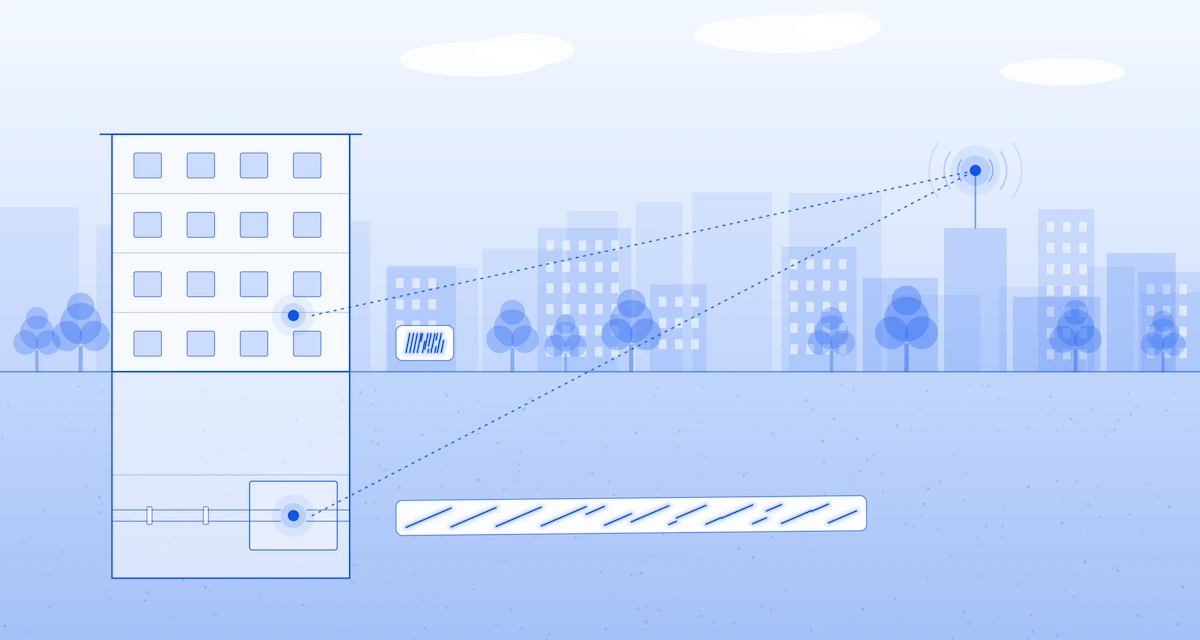
LoRaWAN airtime: why radio conditions matter
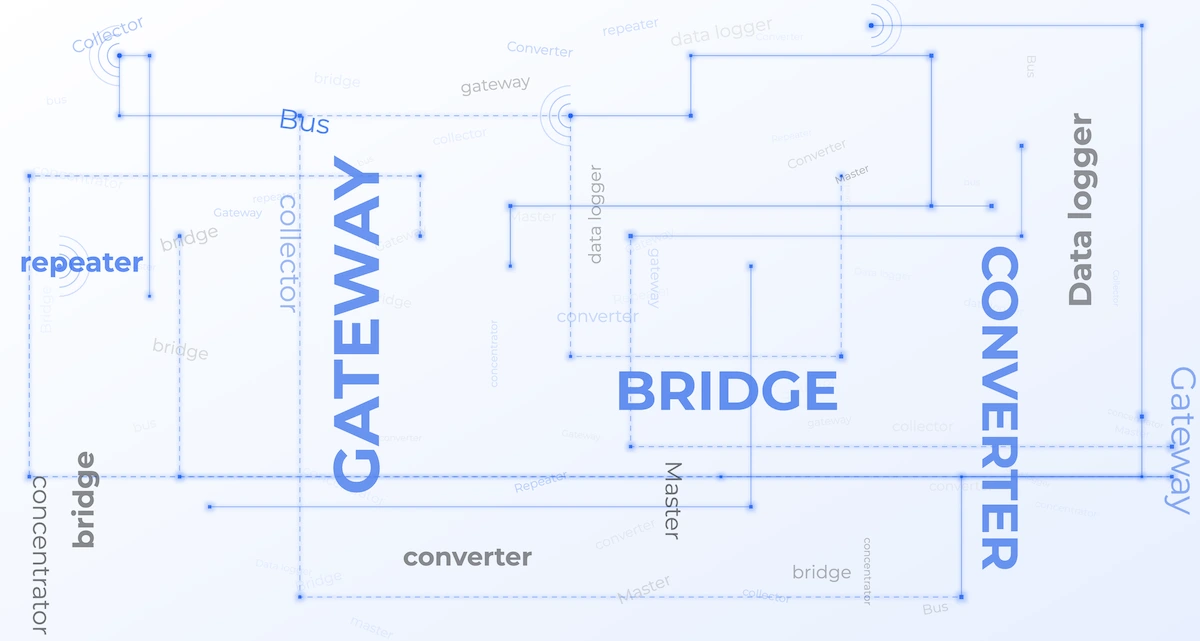
Converter, bus, bridge, gateway: what's the difference?
What actually drains an IoT device battery
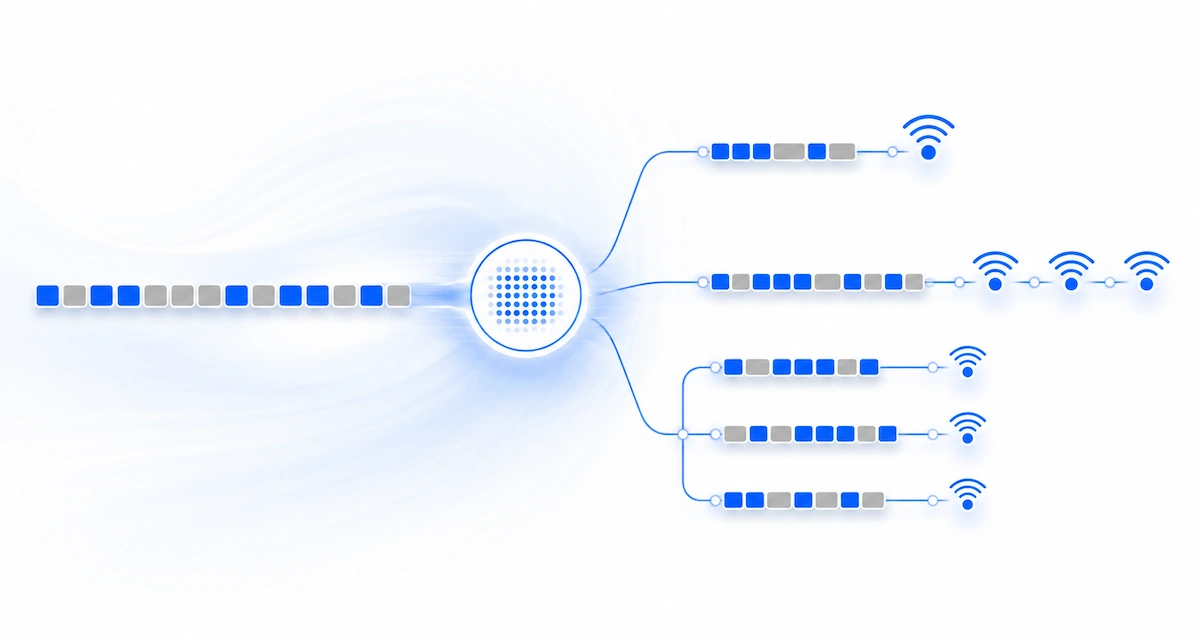
M-Bus parsing strategies for LoRaWAN and NB-IoT

How to best replace walk-by meter reading

Can your existing meters be retrofitted?

Battery life in IoT: beyond the datasheet number
Agile, Waterfall, or NRE? Choosing a development methodology

Developing adaptive IoT communication under the CRA

Focused supplier or large vendor? Depends on the project

Edge computing in IoT metering
Manufacturer as a technology partner

Why a device without an antenna fails

CE certification for IoT: What RED DA changes
Water losses in utility networks: The hidden cost of leaks

Pressure monitoring in water networks: Early fault detection
M-Bus pressure sensor: Leak detection for water utilities
The cost of measurement data errors and how to prevent them

Smart Readiness Indicator (SRI): All you need to know
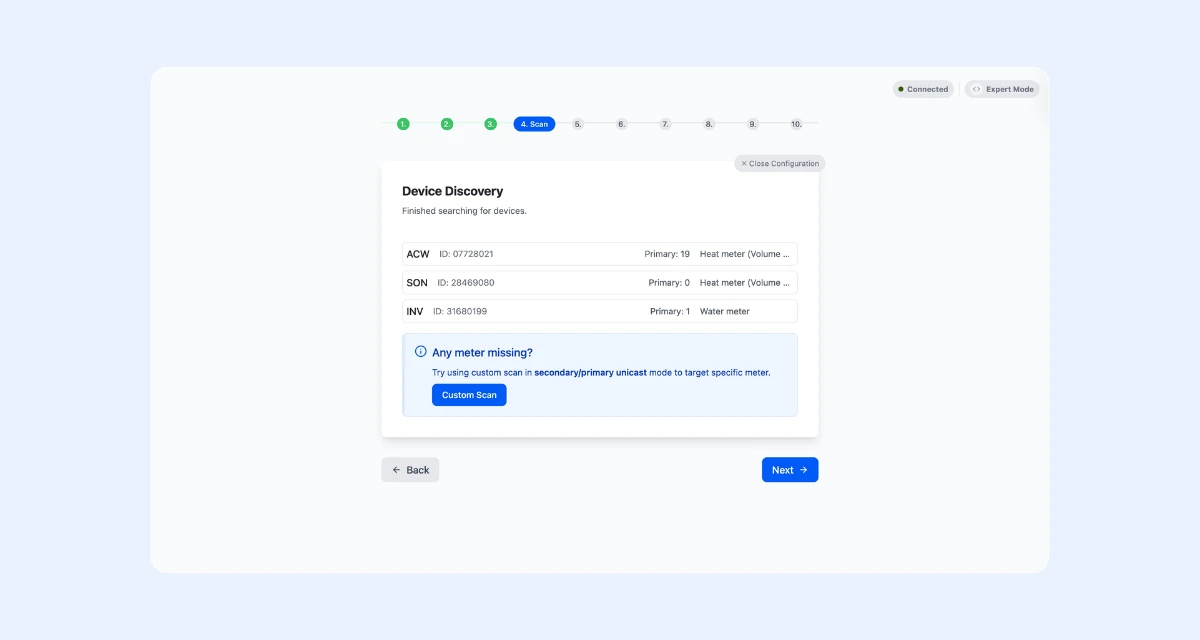
M-Bus installation tool Wizard from ACRIOS

Coulomb meter: Everything you need to know
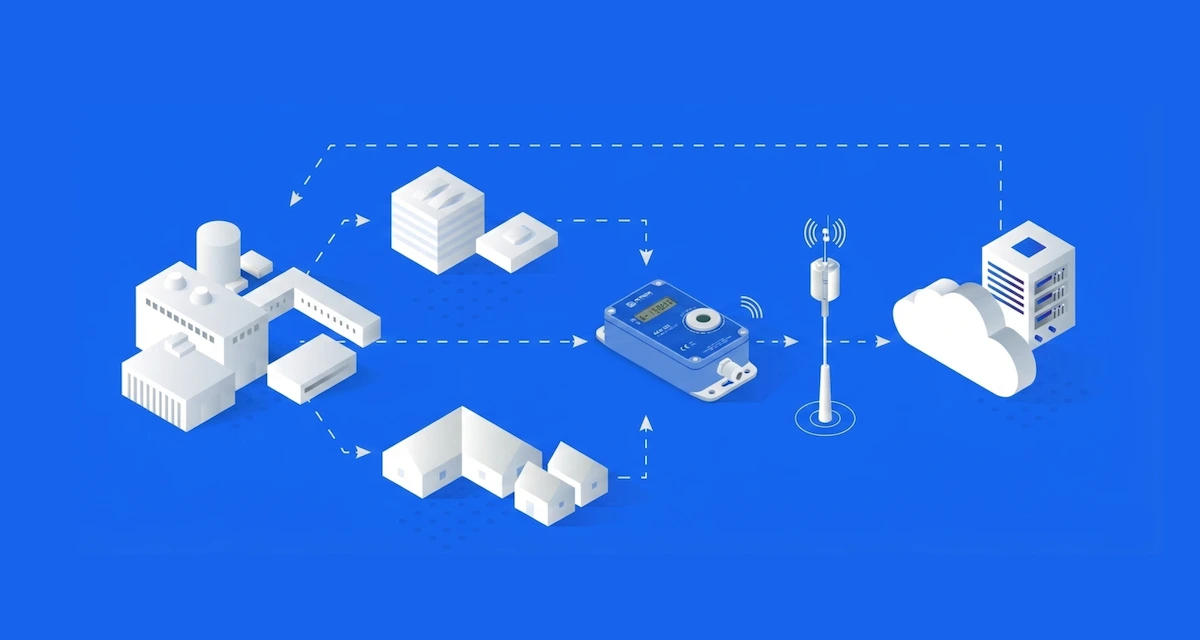
ACR-EX in water utilities: remote reading of pulse water meters

ACRIOS and Quectel announce partnership

External or internal? How custom development works

Proven deployment of 10,000 wM-Bus converters for EED
Choosing a remote reading system for water utilities
Open data interfaces pay off for reporting and integration

15-minute vs daily meter readings frequency explained
Scripting in IoT: Flexibility, sustainability, and protection

Gas meter data to dashboard: ACR-EX meets Datacake
EPBD is coming: what BACS means for your building
When DTLS makes sense. Know before you deploy

Not your keys, not your hardware
868 MHz or 433 MHz? The right choice for your wM-Bus
Everything you need to know, documented. ACRIOS wiki.
End-to-end custom hardware and software development
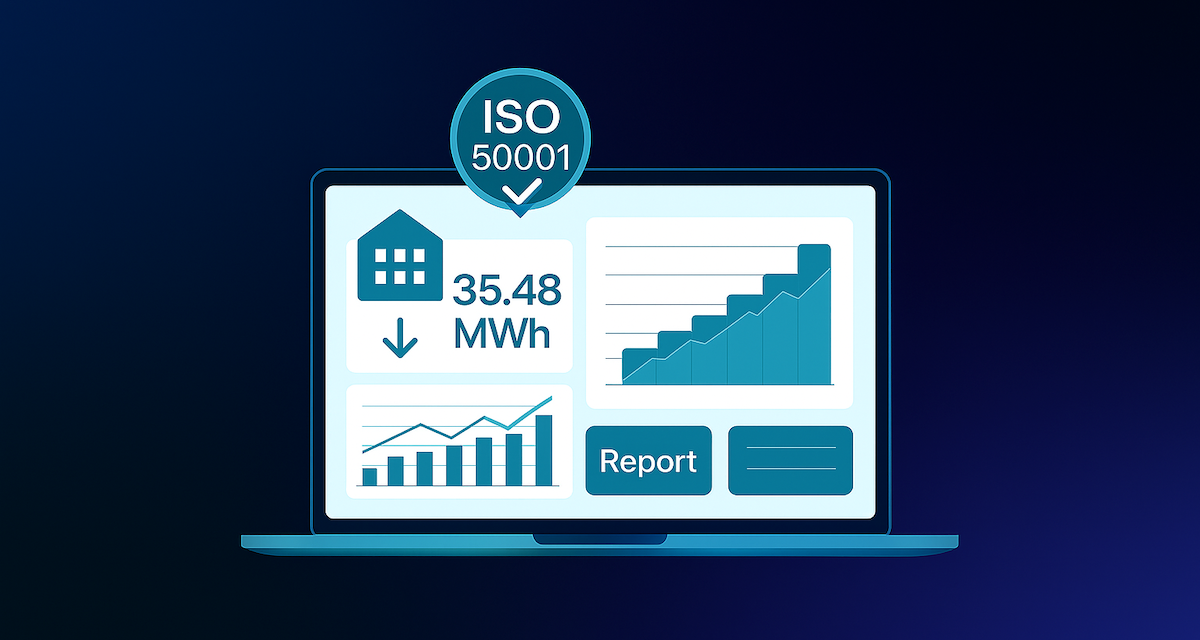
How to collect energy data to support ISO 50001

Lowering IoT TCO through smart manufacturing

Reading Sensus meters with zero hardware changes

Why 15-minute data matters in district heating

5 most common myths about remote meter reading

Battery-powered vs wired: What really costs more?

Cyber Resilience Act and IoT hardware
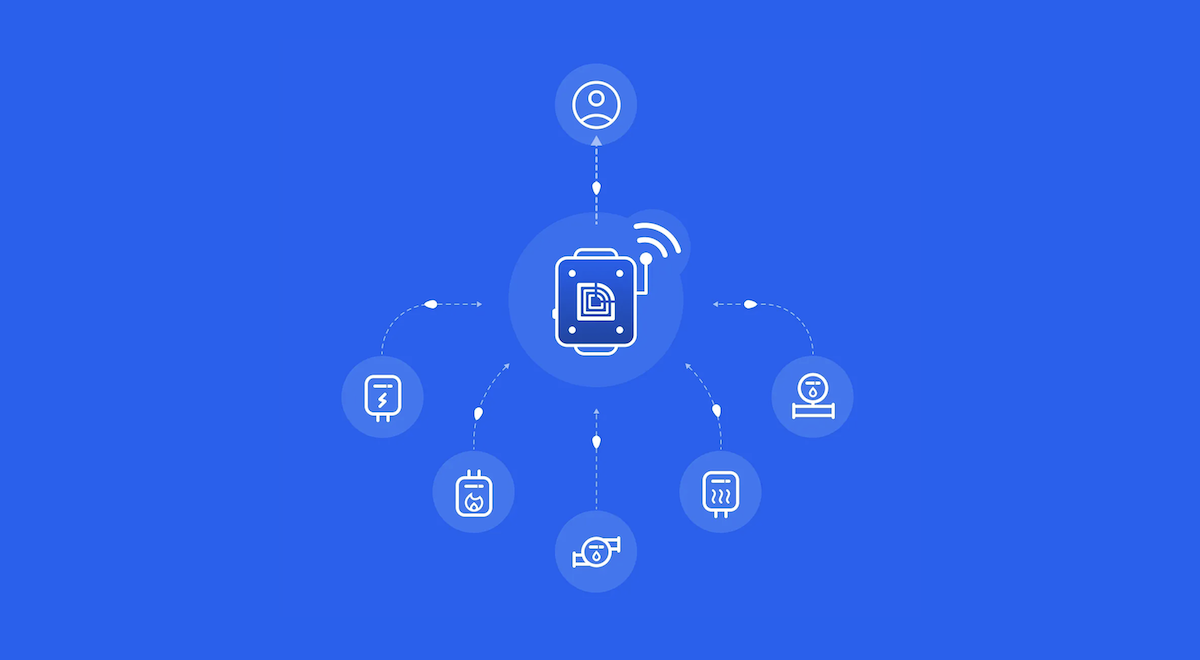
Next-gen meter readings, no replacements needed

Modernising metering infrastructure

M-Bus to IoT integration explained

Understanding TCO: More than just hardware

NB-IoT technology: All you need to know

LoRaWAN: All you need to know

M-Bus, wM-Bus, and RS-485: A technology guide

LoRaWAN vs. NB-IoT: Which technology is right for you?
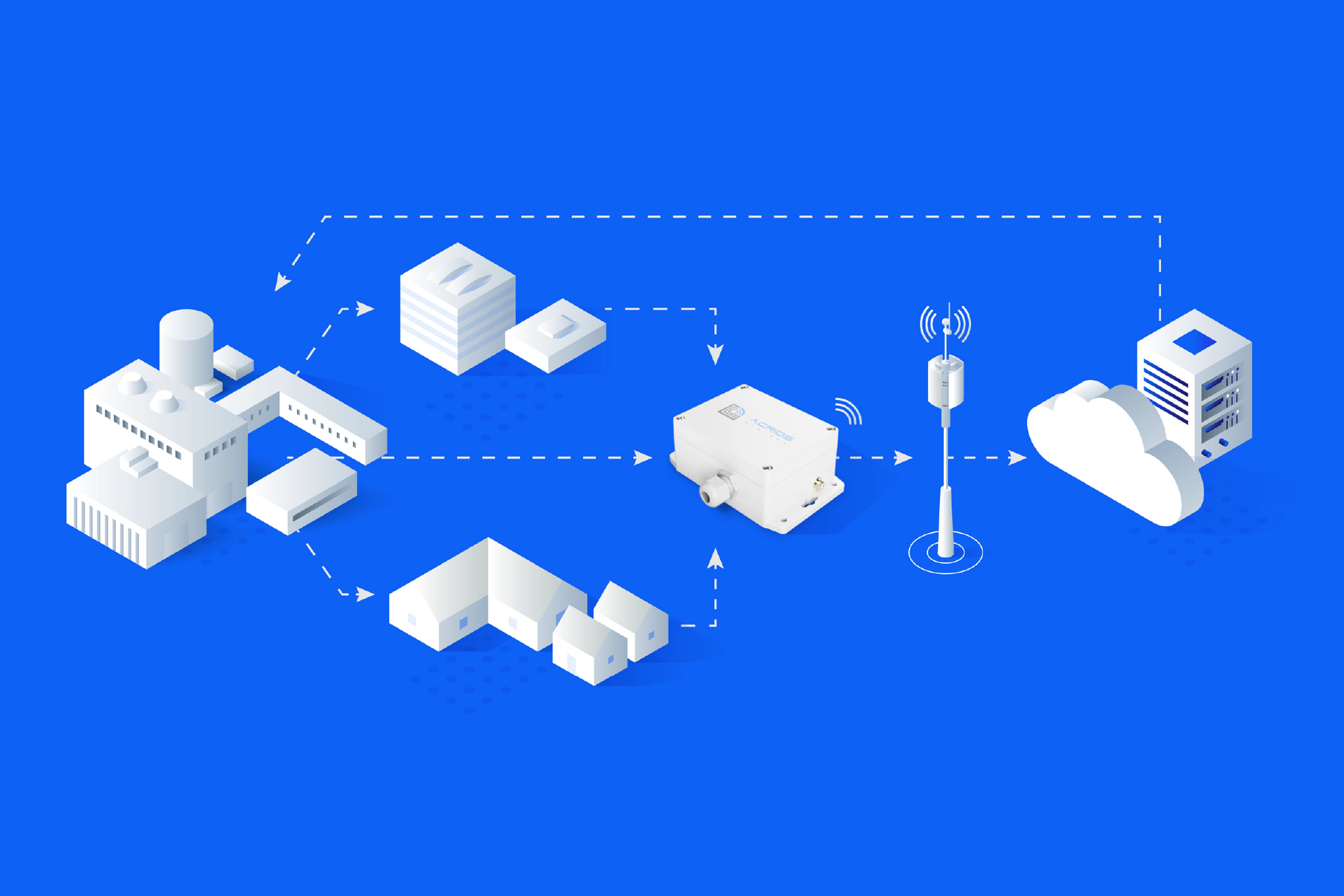
Smart metering: What it is and why it matters

IoT: Technology that saves time and money