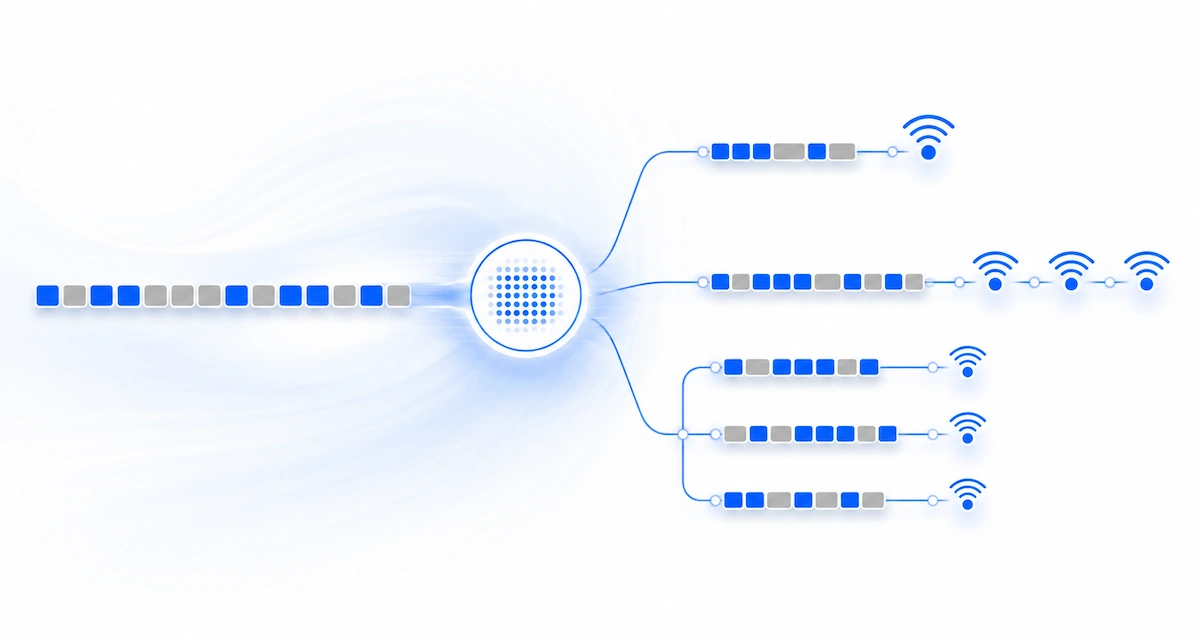
●  M-BUS - LoRaWAN ●  Typical district heating's choice

Bring your M‑Bus meters to LoRaWAN

Connect your existing wired M‑Bus meters – heat, water, electricity – to LoRaWAN in minutes. Eliminate manual reading visits. No electrician. No coding required.
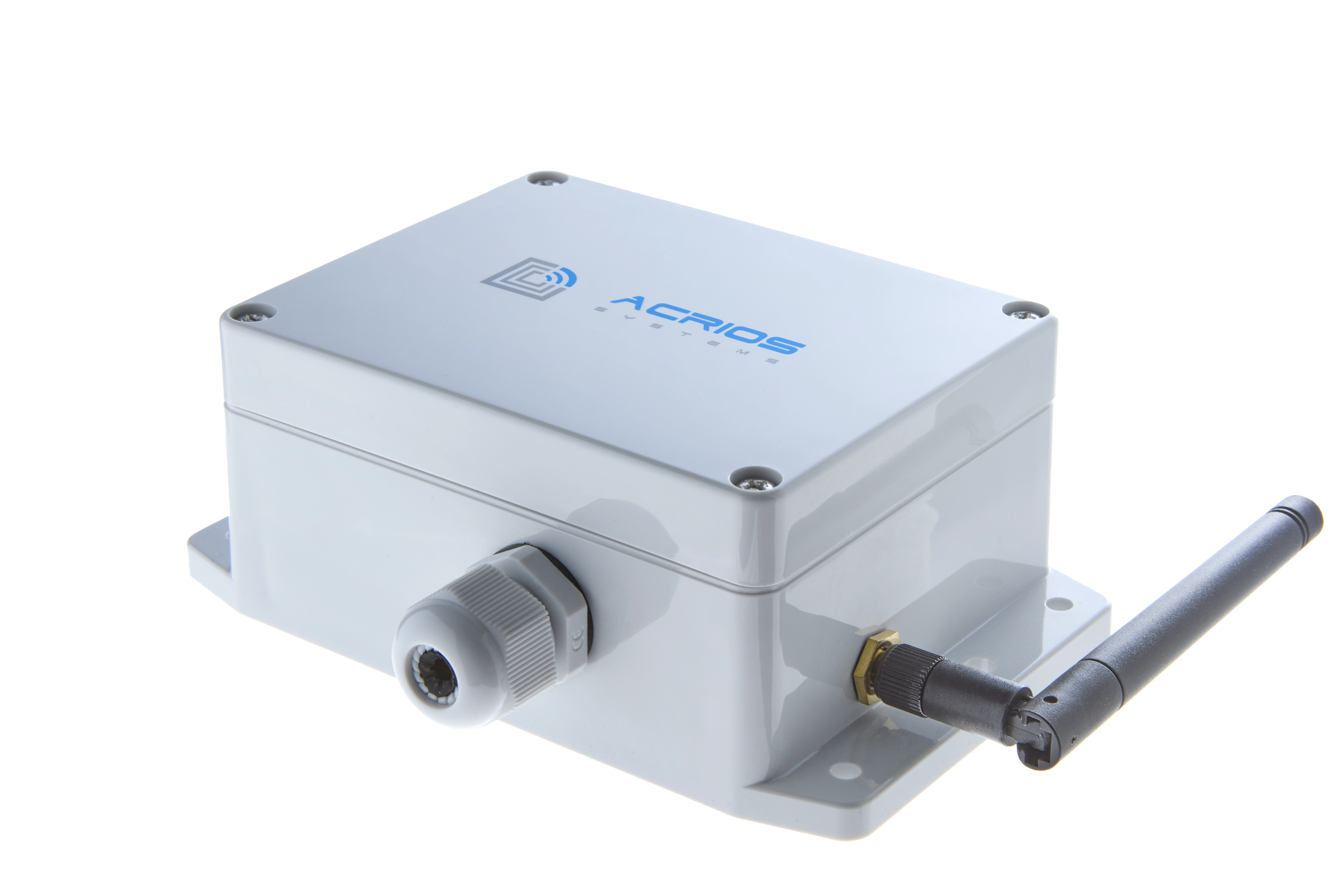
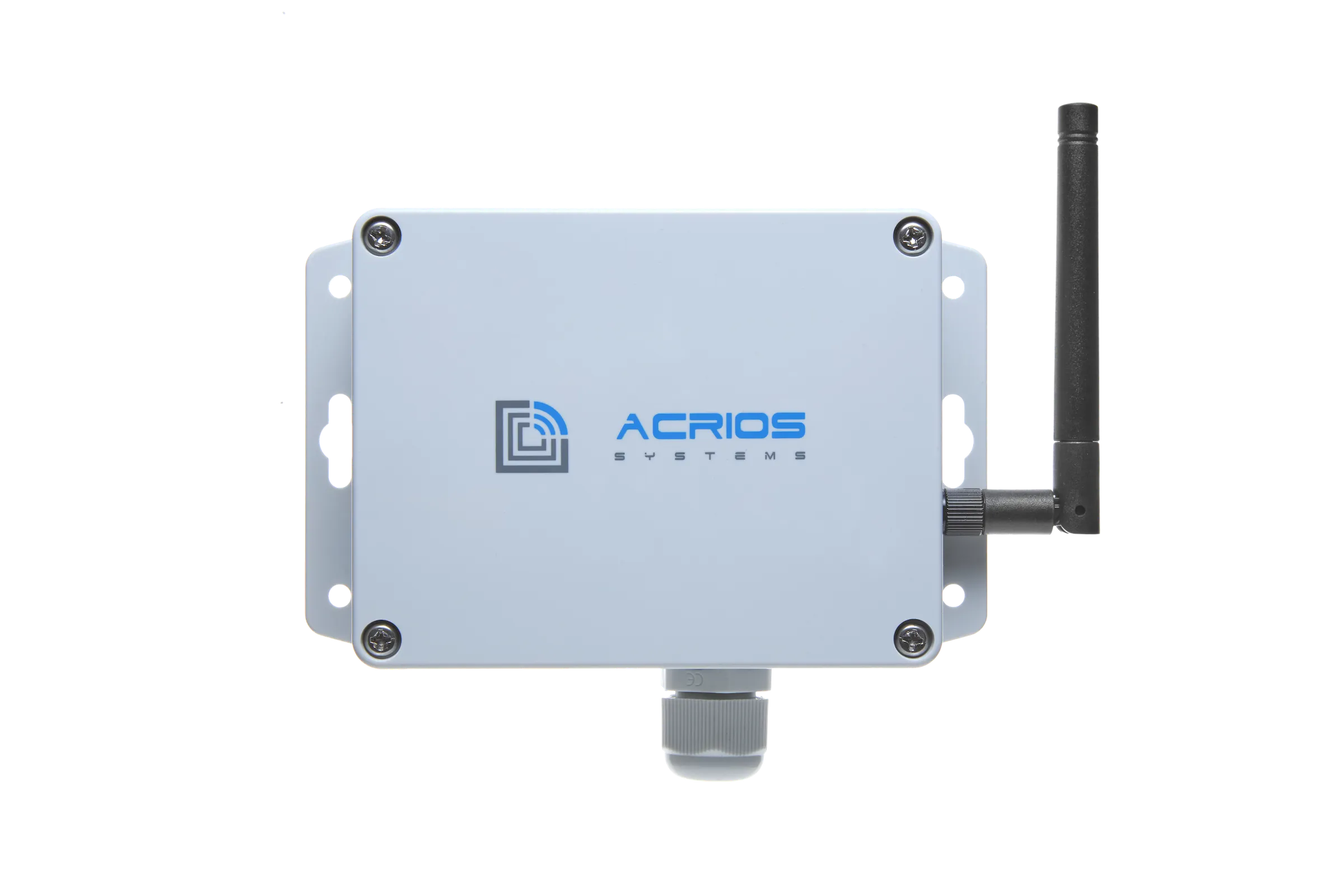
ACRIOS wired M-Bus to LoRaWAN converter in an IP67 enclosure with antenna and cable gland, ready for outdoor mounting.
Photo is illustrative only
i
IP67
Waterproof
Outdoor ready
Plug
& play
Easy set up
16 UL
Supports 16
meters
from €10
Per connected meter
< 10 min
Typical installation time
< 1 week
Typical lead time
1 480 000+
Meters connected via ACRIOS
10+ years
Experience on the market
Return on investment

Manual reading visits are your real cost

Based on a conservative estimate of €25 per site visit for technician time, travel, and admin, typical for Central European deployments. Western European costs are typically €40–60.

1 site · monthly
District heating station, 3 meters
Annual reading cost
€300
ACRIOS hardware
€160
Payback period
~7 months
Most common
10 siteS · monthly
Small utility fleet or building operator
Annual reading cost
€3 000
ACRIOS hardware
€1 600
Payback period
~7 months
Most common
50 siteS · monthly
Regional utility or district heating operator
Annual reading cost
€15 000
ACRIOS hardware
€8 000
Year 1 net saving
€7 000
Most common

Hardware is a one-time cost. Reading visits are eliminated permanently. Year 2+ saving equals the full annual visit cost.

Who is it for?

Built for these situations

District heating

Connect 1–3 heat meters per station without wiring new power. The most common ACRIOS use case.

Bulk water meters

Outdoor installations at building entry points. IP67 protection and battery operation included.

Retrofit projects

Meters that already exist but are without wireless communication. Keep them, just add ACRIOS converter.

Off-grid locations

No power socket nearby? The converter powers the entire M-Bus line from its own battery.

ACRIOS is perfect for small installations of 1–5 meters. We do support 16UL, but mainly for versatility and to support MBus bridges such as wM-Bus to M-Bus. For sites with dozens of meters on a single line, such as apartment building, a dedicated M-Bus concentrator with external power supply and internet connection may be a better fit for you.

Lukáš Smetana, CSO ACRIOS Systems
DEVICE OVERVIEW

Every detail counts in the field

ACRIOS M-Bus to LoRaWAN converter in a closed IP67 enclosure with SMA antenna, built for harsh environments.

Built for harsh environments

  • IP67 rated – fully waterproof and dustproof; suitable for outdoor cabinets, basements, and heat stations
  • SMA antenna port – standard connector; extend outside a metal cabinet for full signal when needed
  • WAGO terminal block – tool-free snap wiring, no loose screws, zero installation mistakes
  • Captive lid screws – screws stay attached; IP67 seal stays intact during every service visit
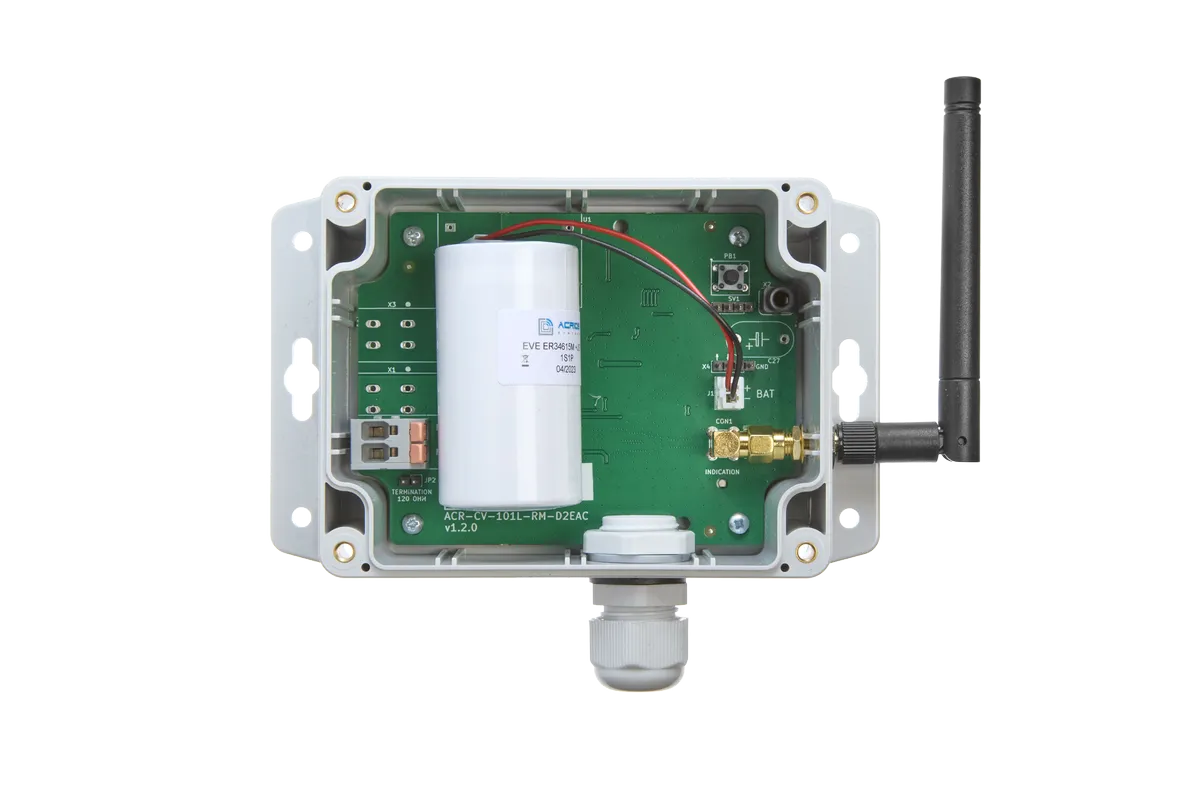
Inside view of the ACRIOS converter showing the single D-Cell lithium battery for up to 10 years of operation and PCB board.

Single battery for up to 10 years

  • EVE ER34615M D-Cell (19 Ah) – primary lithium, −40 °C to +85 °C rated, no self-discharge concerns
  • 3.6 – 3.8 years at SF7, 15-min interval, verified in real deployments
  • Over 10 years battery life at 1-hour interval, ideal for billing-grade metering
  • User-replaceable without tools
  • Sourced from distributors across Europe, no ACRIOS dependency

Dual battery for up to 20 years

  • FANSO ER34615 dual pack (38 Ah) – double capacity in the same enclosure footprint
  • 7.1 – 7.5 years at SF7, 15-min interval – cuts maintenance visits in half vs. single cell
  • Over 20 years battery life at 1-hour interval – set it and forget it
  • Drop-in swap – same enclosure, plug-in pack; field replacement takes under two minutes
No scripting. No training.

Set up in minutes, not hours

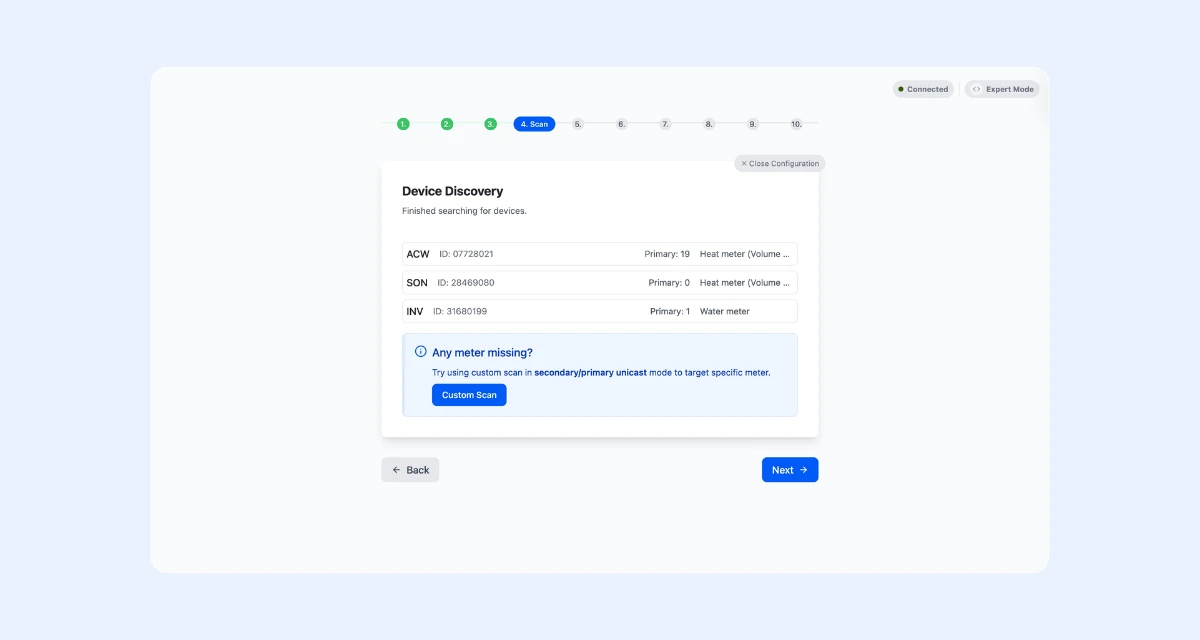
Configuration used to require writing Lua scripts. Now a step-by-step web Wizard handles it: scan, select, send.

1

Connect & scan

The wizard automatically discovers all connected M-Bus meters: names, IDs, and meter types. No manual addressing needed.

2

Pick your data

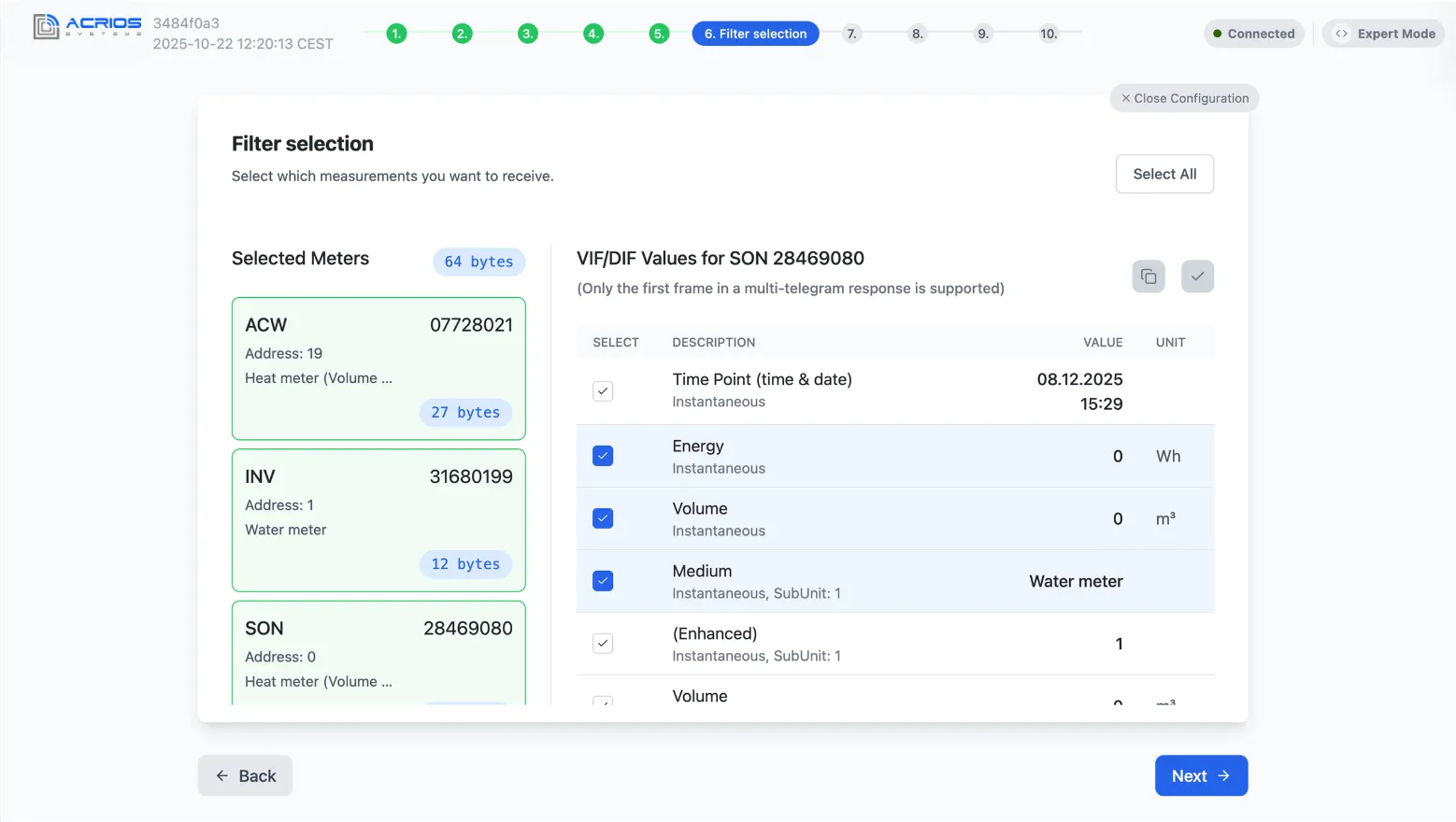
Choose exactly which values to transmit (energy, volume, temperature…) with a live byte count. Know exactly what will be sent before sending it.

3

Set interval & push remotely

Save the configuration to the device. You can later change or modify the configuration via downlinks.
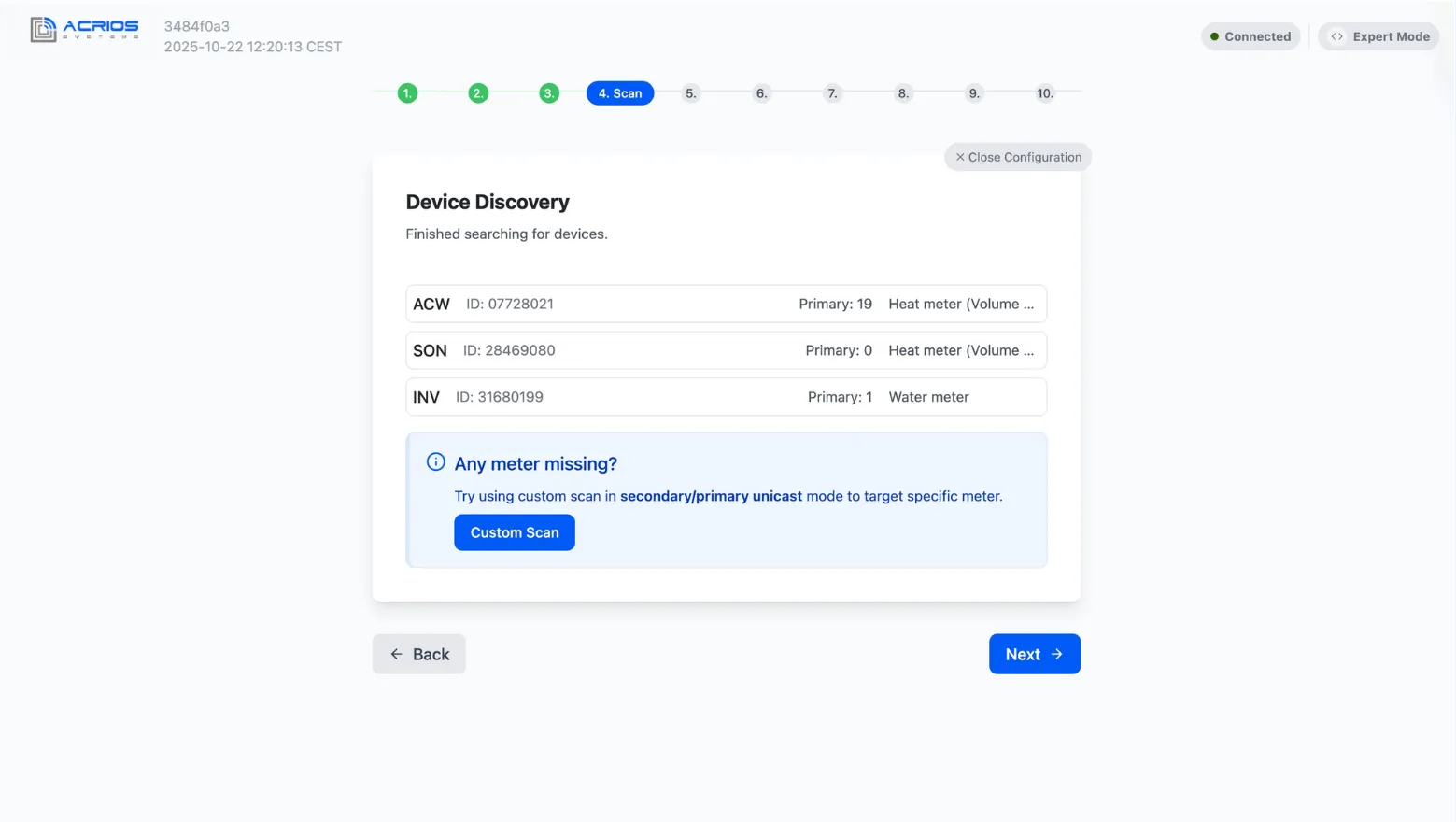
Web installation tool for ACRIOS converters, called Wizard. Showing installation step no.1: device scan, discovering meters.
Wizard installation step: device scan, discovering meters
Web installation tool for ACRIOS converters, called Wizard, showing installation step no.2: choosing data.
Wizard installation step: choose data
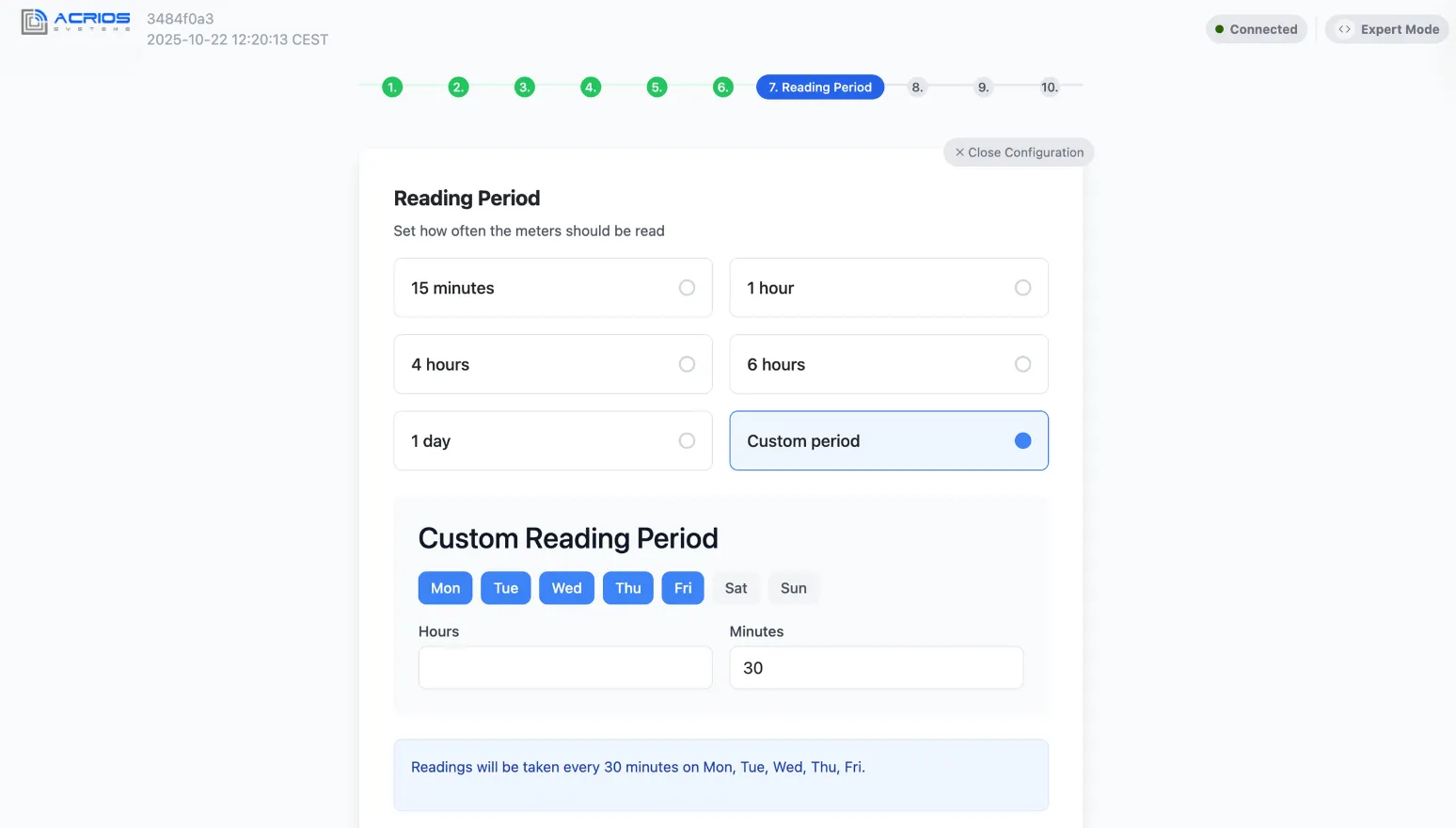
Web installation tool for ACRIOS converters, called Wizard. Showing installation step no.3 setting data reading intervals.
Wizard installation step: setting reading intervals
Advanced users: The Wizard generates a Lua script in the background. Access and edit it in Expert Mode for full control.
Key benefits

Why installers choose ACRIOS

No electrician needed

The converter powers the entire M-Bus line from its own battery. No 230V installation, no inspection, no extra cost.

Works with non-wireless meters

Many meters lack a LoRaWAN module, mainly older or mixed-brand ones. ACRIOS works on the M-Bus line itself, so manufacturer is irrelevant. 30+ models tested, no vendor lock-in.

Remote configuration

Easy remote configiration. Change meter reading intervals, add meters, or update addressing via LoRaWAN downlink, without a site visit.

Manufactured in the EU

Designed and produced in the Czech Republic. Full firmware control, Cyber Resilience Act ready, long-term support guaranteed.

Why RETROFIT

The obvious alternative often doesn't exist

Adding a LoRaWAN radio module directly to each meter sounds simple. But for most meters in the field, that module simply isn't available.

Per-meter LoRaWAN module

  • Only available for select models from a handful of major manufacturers, most older and mid-tier meters have no module option at all
  • Vendor lock-in: Kamstrup's module works on Kamstrup meters only. Mixed-brand sites require multiple vendors, contracts, and firmware tracks
  • Cost multiplies per meter: €80–150 per device, installed individually, regardless of how many meters share the same location
  • Retrofit impossible for legacy meters: meters installed 5–15 years ago rarely have a current wireless module option from the original manufacturer
  • Only available for select models from a handful of major manufacturers, most older and mid-tier meters have no module option at all
  • Vendor lock-in: Kamstrup's module works on Kamstrup meters only. Mixed-brand sites require multiple vendors, contracts, and firmware tracks
  • Cost multiplies per meter: €80–150 per device, installed individually, regardless of how many meters share the same location
  • Retrofit impossible for legacy meters: meters installed 5–15 years ago rarely have a current wireless module option from the original manufacturer

ACRIOS M-Bus converter

  • Works with any M-Bus meter from any manufacturer: the protocol, not the brand, is what matters. 30+ models verified.
  • One device, multiple meters: connect up to 16 meters from different manufacturers on a single M-Bus line, one converter
  • From €10 per connected meter at full capacity, cost per meter is a fraction of any per-meter radio module
  • Full retrofit support: if the meter speaks M-Bus, it works. Age and manufacturer do not matter.

For meters that speak wM-Bus or Modbus, ACRIOS makes converters for those protocols too. Ask us if your site has mixed meter types.

  • Works with any M-Bus meter from any manufacturer: the protocol, not the brand, is what matters. 30+ models verified.
  • One device, multiple meters: connect up to 16 meters from different manufacturers on a single M-Bus line, one converter
  • From €10 per connected meter at full capacity, cost per meter is a fraction of any per-meter radio module
  • Full retrofit support: if the meter speaks M-Bus, it works. Age and manufacturer do not matter.

For meters that speak wM-Bus or Modbus, ACRIOS makes converters for those protocols too. Ask us if your site has mixed meter types.

Integration

Plug into your existing platform. No middleware required.

The converter sends standard M-Bus frames over LoRaWAN, and system that speaks M-Bus can receive them directly. No ACRIOS software required. Optional management platform available if you needit.

Recommended path

Direct integration into your platform

Connect the converter straight to your existing BMS, SCADA, or IoT platform. The device transmits standard M-Bus frames. Any system that speaks M-Bus can receive and parse them, no middleware needed.

  • Standard M-Bus frame format, decode with any library
  • Compatible with Lobaro, Elvaco parsers and other
  • No license, no lock-in, no ongoing fees
  • Push to your MQTT broker, REST endpoint, or LoRaWAN server
  • Works with The Things Stack, ChirpStack, Akenza, and an LoRaWAN NS
MOST COMMON CUSTOMER PATH
No licence
No lock-in
No fees
BEST FIT FOR
LoRaWAN communication
Integrators
Apartment buildings
Building administrators
Any meter, any brand
Off-grid locations
Retrofit without meter replacement
Retrofit projects
Bulk water meters
District heating utilities
OPTIONAL ADD-ON

ACRIOS Platform

If you don't have a platform yet, or need a dedicated metering management layer, ACRIOS offers a hosted web platform for device management, group allocation, and data export.

  • Hosted by ACRIOS or deployed on your servers
  • Group & unit management with CSV export
  • REST API for custom integrations (OAS3)
  • Used in production across water utilities and building operators
MANAGING TODAY
129 526
meters managed
2 615
units online
985
active groups
OUT-OF-tHE-BOX INTEGRATIONS
B.ONE ELEMENT
Akenza
Digimondo
Open standard

Works with any LoRaWAN network

Wired M‑Bus to LoRaWAN concentrator sends standard LoRaWAN Class A packets. Any compliant network server can receive and forward them. Step-by-step integration guides are available for The Things Stack and Akenza.io.

Network Servers
Swisscom
Orange Live Objects
Senet
LORIOT
ChirpStack
The Things Industries
Actility
European Public Networks
KPN
Akenza.io
Everynet
Proximus
Telekom Srbija
Digita
Zenner Connect
Digimondo
Netze BW
Netmore
České Radiokomunikace
The Things Network
Swisscom
Customer references

Trusted by teams across Europe

Featured reference

The solution is quick to install, requires no training and proves to be stable over time. We offer the ACRIOS remote reading solutions to all of our customers who want to comply with the EED decree.

HANNSO
CEO · Supplier of water and heat meters
EED
COMPLIANCE
DEPLOYMENT
Featured reference

We successfully integrated the ACRIOS converter in our smart metering project, seamlessly connectin hundreds of meters. Performance and stability have been outstanding, even in challenging environments.

Netmore Group
Technical Project Manager · Smart metering deployment · Sweden
Featured reference

We were searching for a way to connect existing M-Bus meters to our LoRaWAN network and found the solution provided by ACRIOS valuable for exactly these use cases.

LoRaWAN network operator
Head of Supply Chain · LoRaWAN infrastructure rollout
Technical details

Specifications

Hardware

Dimensions
145 × 90 × 55 mm
Weight
336 g (with single battery) / 475 g (with double battery)
IP Rating
IP67
Power
D-Cell battery 19,000 mAh, 2x D-Cell batteries 38,000 mAh, or external power supply 85-305V AC
Standard
EN 13757-3 (application layer), EN 13757-2 (physical layer)
Communication
LoRaWAN, 1.0.3 · EU868
Max devices
16 UL
Antenna
External with SMA connector

Order codes

ACR-CV-102L-M-D
Single battery pack
ACR-CV-102L-M-D2*
Double battery pack
ACR-CV-102L-M-EAC*
Externally powered
* Under MOQ · Package includes: converter, antenna, installation manual, battery
Ships from Czech Republic · EU stock · Typical lead time <1 week

Supported features

  • Reads any M-Bus meter according to EN 13757-3
  • Powers the M-Bus line directly from the device, no external power source needed
  • Reading intervals from 15 minutes
  • Compatible with meters from all major manufacturers
  • Battery-powered or externally powered versions available
  • User-replaceable battery in battery-powered versions
  • WAGO terminal block for fast and reliable installation
  • SMA standard antenna connector
  • LoRaWAN EU868 communication with OTAA join
  • Tested across the largest European LoRaWAN networks and isolated systems
  • Remote configuration via LoRaWAN downlink (optional)
  • Primary and secondary meter addressing
  • Wildcard and broadcast polling
  • VIF/DIF message filtering in hardware
  • Automatic M-Bus telegram optimisation to fit LoRaWAN duty-cycle limits
  • Forwards data as a standard M-Bus frame, readable by any M-Bus parser
  • Transparent mode support
  • Fragmentation: Truncate, Split, Multiframe
  • Step-by-step web-based configuration Wizard
M-Bus
Wired M-Bus standard
EN 13757-3
IP67
Waterproof & dustprove
IEC 60529
CE
RED · Declaration of Conformity
Radio Equipment Directive 2014/53/EU
Accessories

Everything you might need on site

Optional accessories available directly from ACRIOS. Ask us when ordering.
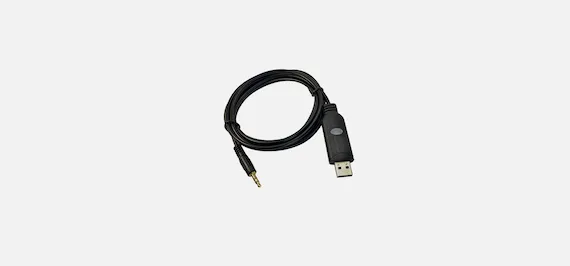
ACRIOS configuration cable, USB to 3.5mm jack serial cable with FTDI chipset for local device setup.
ACR-CONFIG
Configuration cable

USB to 3.5mm jack serial cable for local device configuration. FTDI chipset, optically isolated, 1.8 m. Required for first time local setup via the web Wizard intalation tool.
USB-A · 1.8 m · FTDI chip
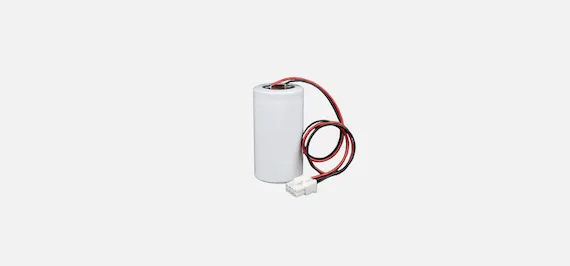
Replacement D-Cell lithium battery, 19,000 mAh, with JST-XH connector for the ACRIOS converter.
battery replacement
D-Cell battery

Replacement D-cell battery, 19 000 mAh, with a JST-XH 2-pin connector compatible with the cocentrator. Primary lithium cell for long-term battery-powered operation.
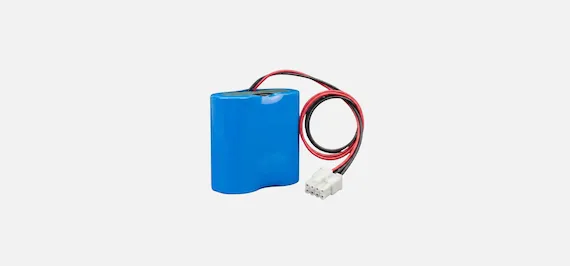
Battery · 19 000 mAh
Replacement 2×D-Cell lithium battery pack, 38,000 mAh, with JST-XH connector for the ACRIOS converter.
BATTERY REPLACEMENT
2×D-Cell battery

Replacement 2×D-cell battery pack, 38 000 mAh, with a JST-XH 2-pin connector compatible with the ACRIOS concentrator. Double capacity for the longest maintenance-free service life.
Battery · 38 000 mAh
Laptop showing the ACRIOS web platform dashboard for device management and data export.
DEVICE MANAGEMENT
ACRIOS platform

Already have a platform? Connect via our API. Need one? We host web platform for device management and data export options compatible with almost any system.

OPTIONAL · PLATFORM

Not sure which accessories you need? Ask us when requesting a sample — we'll include what's relevant for your setup.

Tested compatibility

Works with meters you already have

Verified with 30+ meter models. Any M-Bus standard-compliant meter should work, these are confirmed in the lab and in the field.

Flonidan M-Bus Converter (wM-Bus → M-Bus)
Relay RelAir R2M (wM-Bus → M-Bus)
ZENNER Zelsius C5
Kamstrup Multical 401 (M-Bus)
Engelmann Calculator C5 (M-Bus)
Sontex Supercal 5I (M-Bus)
Siemens WSD300
Sensus PolluTherm 200
Scylar INT8
Schneider Electric CS 30323
Landis+Gyr UH50
Landis+Gyr UH30
Landis+Gyr E350
Kamstrup Multical 603 (M-Bus)
Itron Cyble M-Bus v2
Ista ultego III smart
Ista Sensonic II
Honeywell EW557
GWF UnicoSynergy
Engelmann SensoStar U
Engelmann SensoStar 2
Elster F90
Elster F50
Diehl Sharky 775
Diehl Sharky 774
Diehl Sharky 773
Danfoss SonoMeter 31
Comac Cal Flow 45
Comac Cal Flow 38
Calec ST II
B-Meters Hydrocal-M3
ABB B24
ABB B23
ABB B21
Kamstrup Multical 401
Engelmann Calculator C5
Sontex Supercal 5I
Danfoss SonoMeter 40
Danfoss SonoSelect 10
Axioma Qalcosonic E4 M-Bus (calorimeter)
Axioma Qalcosonic E3 M-Bus (calorimeter)
Techem Vario 4
Techem Vario 3
Techem Compact Ve
Techem Compact V
Maddalena MicroCLIMA
Itron CF UltraMaxx V
Sensus PolluCom F
Sensus PolluCom E
Apator ELF 2
Apator ELF
Sontex Supercal 739 (M-Bus)
Sontex Supercal 531
Sontex Superstatic 789
Sontex Superstatic 749
Kamstrup Multical 603
Kamstrup Multical 403
Kamstrup Multical 302
Lorenz DWZ M-Bus
Axioma Qalcosonic E4
Axioma Qalcosonic E3
Axioma Qalcosonic W1
Axioma Qalcosonic F1
Arad Sonata M-Bus
Arad Octave High Flow M-Bus
Arad Octave M-Bus
Kamstrup Multical 21
B-Meters GSD8
Apator Powogaz MWN
Apator Powogaz JS
Diehl ALTAIR V4
Sensus 620
ZENNER ETW-M
ZENNER ETKF-M
Qundis Q Gas 5.5
Apator Metrix MK-G
Sensus 7G
Landis+Gyr G350
Honeywell Elster EK280
Elster AL-650
Itron BK-G6
Itron BK-G4
DEIF APM 380
Carlo Gavazzi EM24 M-Bus
Eastron SDM630-Mbus
Sauter EQ3x
Siemens 7KM2200
Siemens 7KT1660
Apator Pafal 14EC3
Apator Pafal 12EC3
Iskraemeco MT174
Iskraemeco MT831
EMH DMZM
EMH LZQJ-XC
Landis+Gyr ZMG120
Landis+Gyr ZMD120
ABB B21
Before you ask

Frequently asked questions

Everything a first-time buyer typically wants to know. If your question isn't here, ask us directly.

Yes. The converter communicates over the LoRaWAN network, so you need either your own LoRaWAN gateway or existing public LoRaWAN coverage at the installation site.

You can install a private LoRaWAN gateway or use an external antenna to improve signal quality. The converter is suitable for both public and private LoRaWAN deployments.

The converter supports standard wired M-Bus meters compliant with EN 13757, including heat, water, electricity and gas meters from many manufacturers.

Yes. Sample units are available for testing, pilot projects and integration validation before larger deployments.

No dedicated software is required. The converter transmits standard M-Bus data via LoRaWAN and can integrate with compatible LoRaWAN platforms, parsers and cloud systems.

Battery life depends on transmission frequency, connected meters and network conditions, but battery-powered variants are designed for multi-year operation.

The converter can be remotely reconfigured over LoRaWAN. Meter settings, addresses and communication parameters can be updated without visiting the installation site.

Documentation & tools

Everything you need to integrate

Datasheet · PDF
ACR-CV-102L-M-D
Wired M‑Bus to LoRaWAN, battery powered
Download
Datasheet · PDF
ACR-CV-102L-M-EAC
Wired M‑Bus to LoRaWAN, M-Bus externally powered
Download
Configuration Wizard

Scan meters, select data, set intervals. No scripting required.

Technical documentation

Integration manuals, protocol specs, installation guides, video tutorials.

M-Bus Parser Tool

Online frame decoder. Paste raw bytes, get parsed values instantly.

Service desk

Do you need support? Connect us via our service desk.

Latest from our blog
Technology

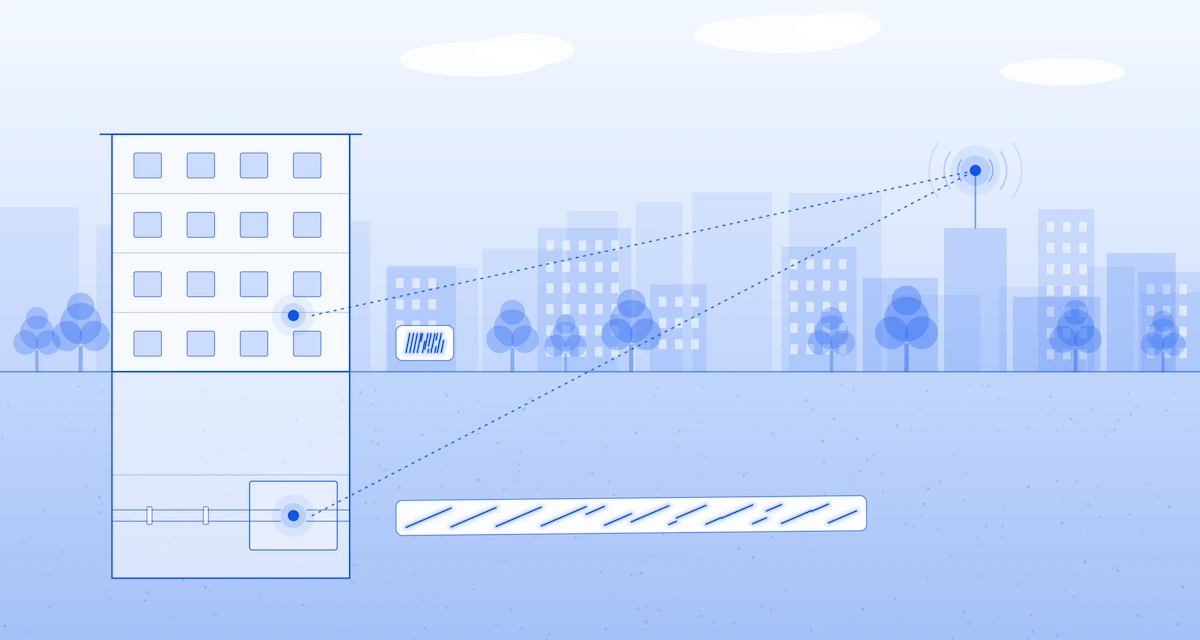
Developing adaptive IoT communication under the CRA
ACRIOS is developing a communication module that switches between LoRaWAN and NB-IoT on its own. Backed by the Technology Agency of the Czech Republic, the project aims for more reliable data transmission, lower costs, and security beyond the Cyber Resilience Act.
Read more
Opinions and analysis

Focused supplier or large vendor? Depends on the project

In retrofit connectivity, the biggest vendors win the largest rollouts. But for working meters that only need connecting, not replacing, a focused converter to NB-IoT or LoRaWAN often fits better. A look at where specialists and giants each have the edge.
Read more
Opinions and analysis

Edge computing in IoT metering

M-Bus payloads often exceed LoRaWAN and NB-IoT single-message limits. Edge computing solves this at the source through VIF/DIF filtering, adaptive sampling, local validation, and source encryption. When does it make sense, and when not? A practical decision guide for IoT metering deployments.
Read more
Technology

Manufacturer as a technology partner

The role of IoT device manufacturers is shifting from hardware supplier to technology partner. Parsers, open APIs, containerised backend, remote firmware management and CRA-ready security shorten implementation, reduce internal development load and lower TCO across AMR and AMI projects.
Read more
Technology

Why a device without an antenna fails

If your IoT device manages to connect even without its antenna, that is not a sign of clever engineering. It is a warning sign of poor radio design. Why a properly tuned antenna is essential for reliable wireless meter reading, what really happens inside the device, and how to test it sensibly before full deployment in the field.
Read more
Compliance

CE certification for IoT: What RED DA changes
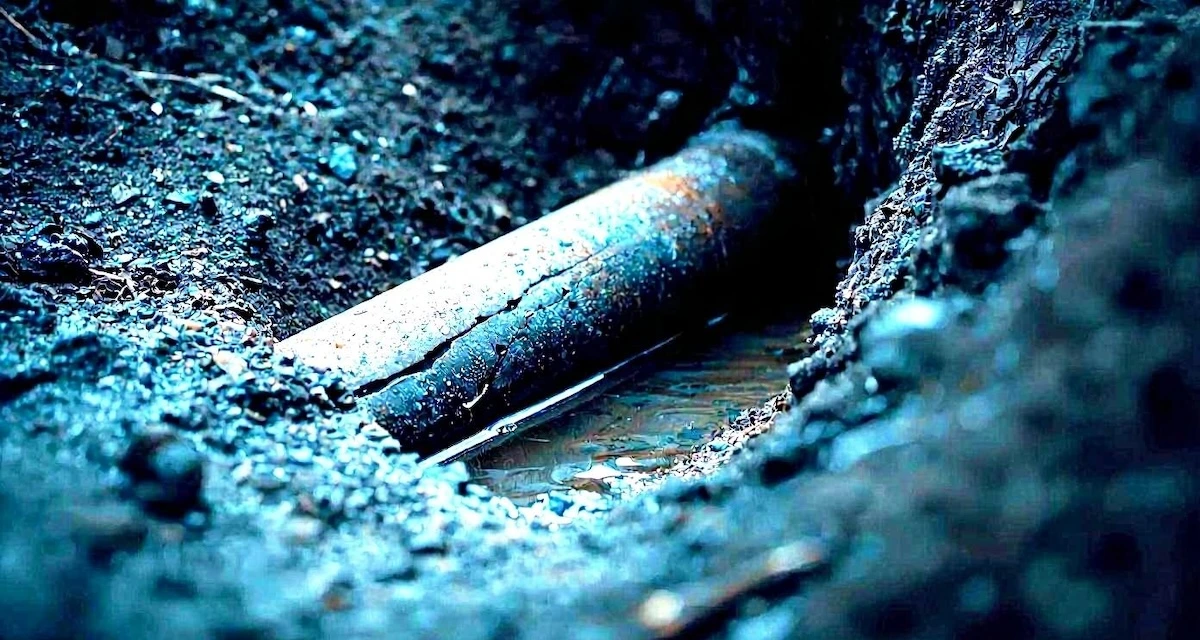
Development went well, the device works. Then CE certification arrives and the supplier's cybersecurity documentation is missing. Since August 2025, RED DA is in force and part of every CE. How to tell if your supplier is ready, and what to do if not.
Read more
Opinions and analysis

Water losses in utility networks: The hidden cost of leaks
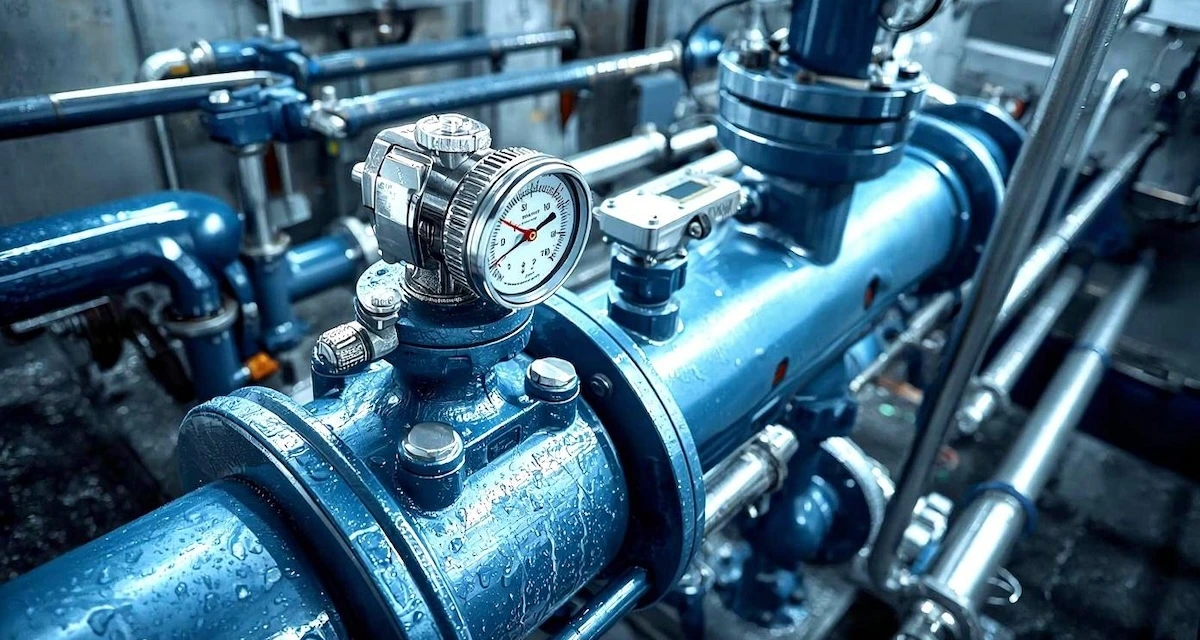
An estimated one in four litres of treated water is lost in European distribution networks. Average losses hover around 25%, exceeding 60% in some countries. A closer look at why pipes fail, what it really costs utilities, and why a slow leak is often worse than a visible burst.
Read more
Opinions and analysis

Pressure monitoring in water networks: Early fault detection
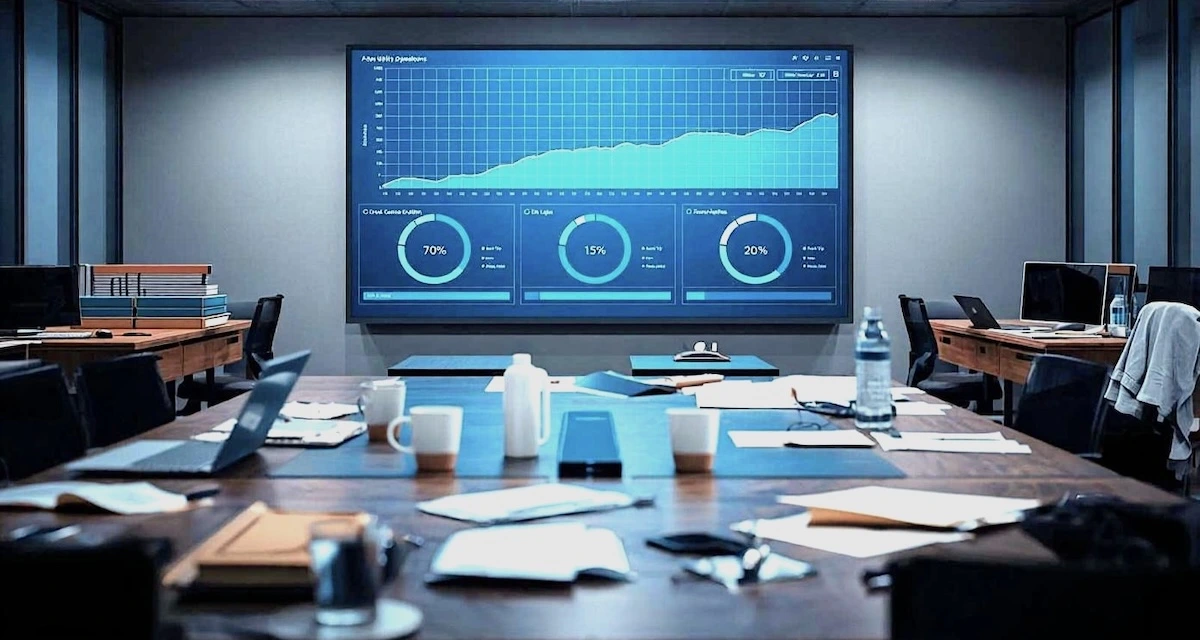
Every utility faces the same question: how to know something is wrong in the network as fast as possible. Acoustic methods, district metered areas and continuous pressure monitoring each bring strengths and limits. A comparison of approaches to leak detection, with real examples.
Read more
Opinions and analysis

M-Bus pressure sensor: Leak detection for water utilities
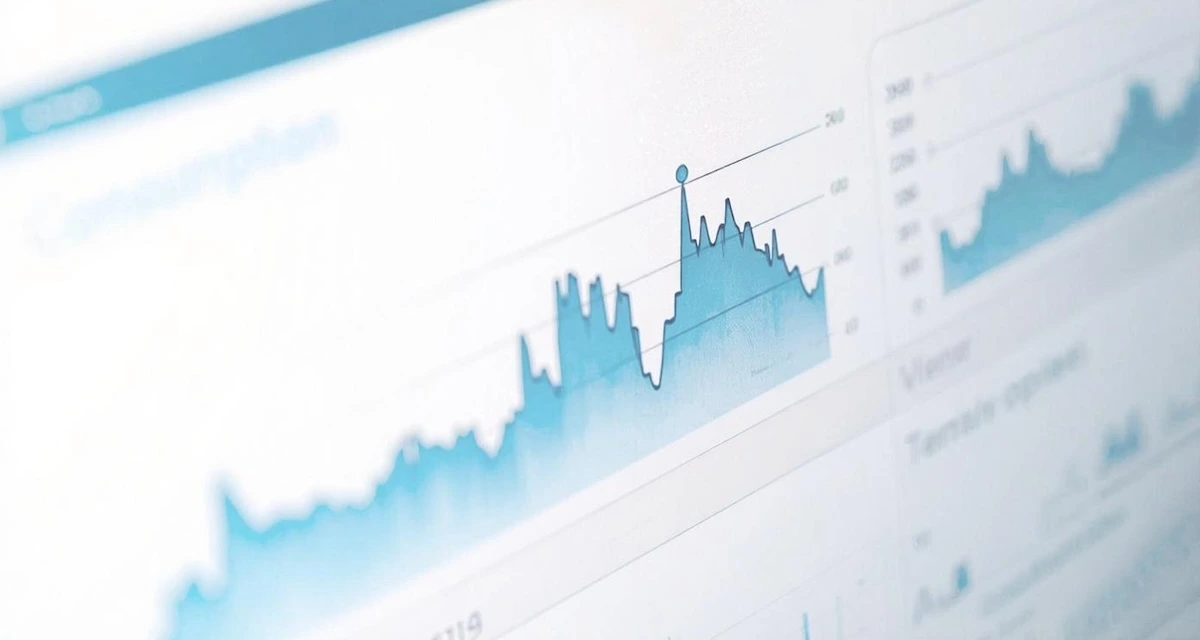
No parallel infrastructure, no new data platform, no separate operational processes. The joint ACRIOS and Lorenz solution brings continuous pressure monitoring into the same communication layer water utilities already use for smart metering – over LoRaWAN or NB-IoT.
Read more
How to?

The cost of measurement data errors and how to prevent them

Unreliable data is more costly than no data at all, especially in smart metering and energy management. A missing value or small deviation can escalate into incorrect bills, failed audits, or undetected faults. Here is what that looks like in practice and how to prevent it.
Read more
Compliance

Smart Readiness Indicator (SRI): All you need to know
Smart Readiness Indicator (SRI) is the EU's metric for a building's digital intelligence. It rates how well a building manages energy, responds to occupants, and interacts with the grid. Learn what SRI means, what the legislation requires, and what role remote meter reading plays.
Read more
Technology

M-Bus installation tool Wizard from ACRIOS

Configuration errors and troubleshooting often take more time than wiring M-Bus devices. The ACRIOS Wizard simplifies this by guiding technicians through meter detection, data selection, and network setup; reducing installation time and the need for specialised knowledge.
Read more
Technology

Coulomb meter: Everything you need to know
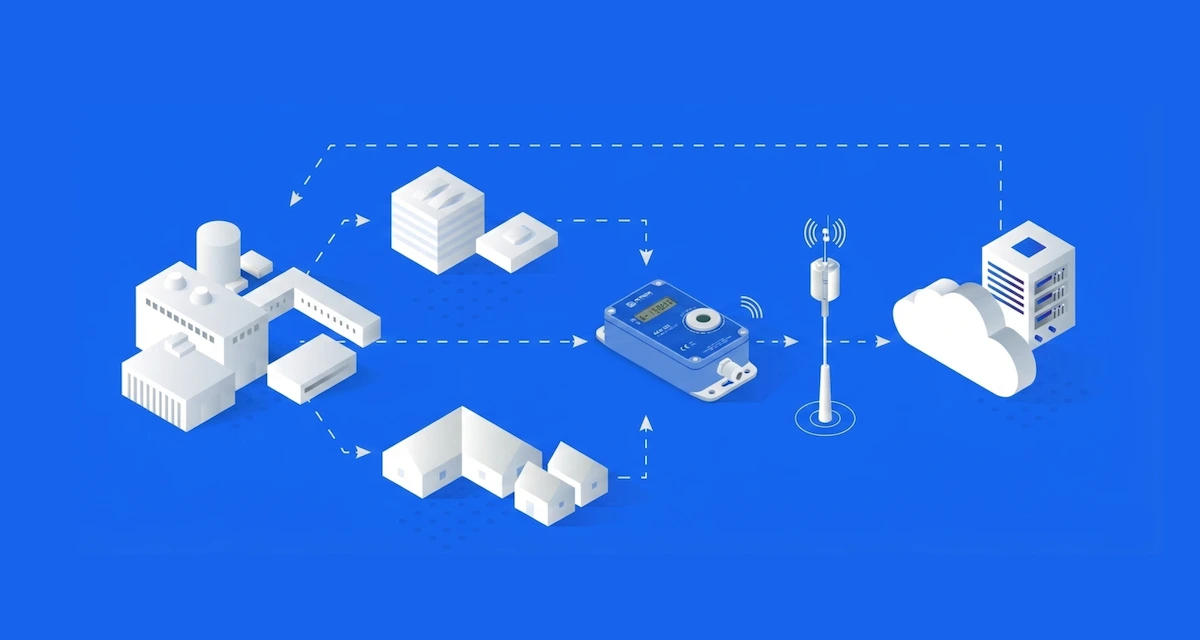
A Coulomb meter measures actual battery charge consumption rather than relying on estimates. This enables realistic end-of-life prediction for IoT metering devices, optimised service intervals, and reduced TCO. How does this technology work in practice, and where does it make the most sense?
Read more
Technology

ACR-EX in water utilities: remote reading of pulse water meters

Pulse water meters are common in water utility networks, but their data often remains on the mechanical register. Learn how existing pulse water meters can be connected to remote reading systems using a pulse converter with display, without replacing the meters.
Read more
Company news

ACRIOS and Quectel announce partnership

ACRIOS Systems and Quectel Wireless Solutions have formed a strategic partnership to support SME manufacturers in adopting modern Linux/Android smart modules. The joint communication outlines the scope and technical goals of the cooperation.
Read more
Opinions and analysis

External or internal? How custom development works
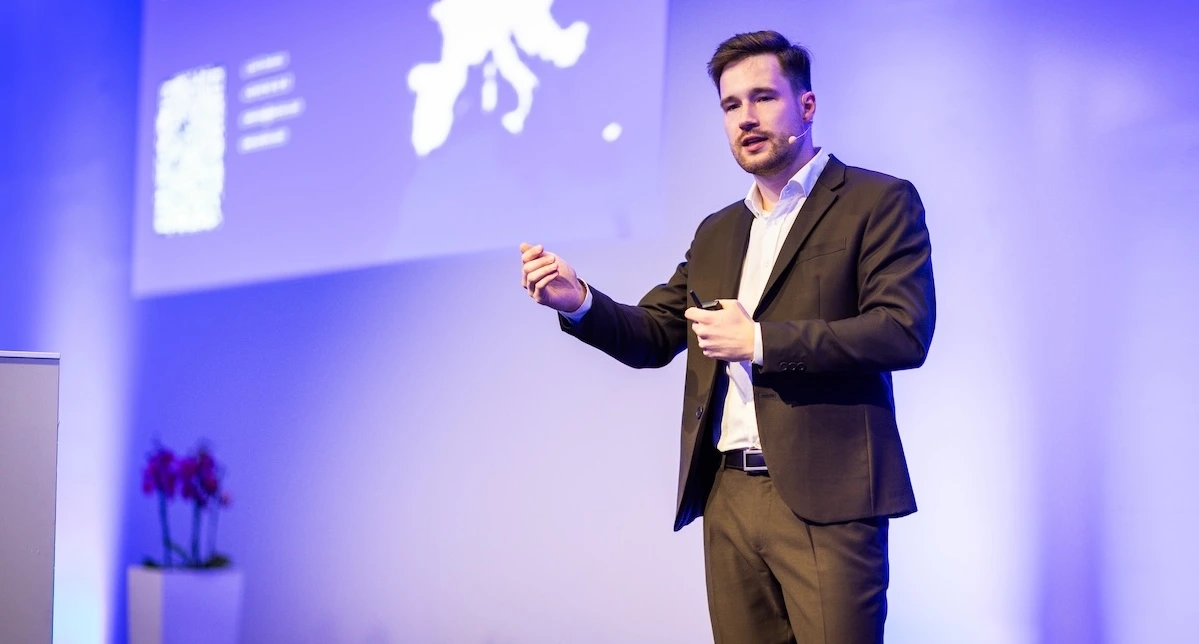
External development helps organisations accelerate project delivery and reduce fixed costs. This article explores when outsourcing truly makes sense, what to consider when selecting a partner, and how to structure collaboration that delivers lasting internal peace.
Read more
How to?

Proven deployment of 10,000 wM-Bus converters for EED
Digitalisation of metering is becoming a strategic priority for utilities. Experience from a project with 10,000 wM-Bus concentrators and 850,000 meters shows that success depends less on technology itself and more on change management, coordination, and structured planning.
Read more
Technology

Choosing a remote reading system for water utilities
Digitalisation brings many ways to read water meters remotely, from bus networks to direct LoRaWAN and NB-IoT communication. Learn how to choose the right approach for your utility based on existing meters, coverage conditions, and investment strategy.
Read more
Opinions and analysis

Open data interfaces pay off for reporting and integration

An open data interface means freedom and independence when working with data. Beyond storing and visualising, it enables export, reporting, automation and smooth integration with other systems. The result is greater flexibility, lower vendor lock-in and sustainable data management.
Read more
Opinions and analysis

15-minute vs daily meter readings frequency explained
How often should you measure energy and water consumption? Fifteen-minute meter reading frequency supports detailed analysis and real-time optimisation, while daily data extend battery life and simplify reporting. Learn about the benefits, trade-offs, and use cases from practice.
Read more
Technology

Scripting in IoT: Flexibility, sustainability, and protection

Many IoT deployments fail when each new customer request requires a firmware change. Scripting solves that by separating customer logic from core functions, it enables faster updates, long-term maintenance, and secure control over unique features.
Read more
Technology

Gas meter data to dashboard: ACR-EX meets Datacake
Get your gas meter data online in minutes with the ACR-EX datalogger and its direct Datacake integration. This reliable NB-IoT solution provides live readings, alerts, and a ready-to-use dashboard. All without the need to develop or maintain your own backend infrastructure.
Read more
Compliance

EPBD is coming: what BACS means for your building
Let’s break down what the BACS mandate, part of EU’s broader initiative EPDB directive, means in practice. Who must comply, which systems and protocols to use, and how to modernise your building with minimal effort using your existing infrastructure.
Read more
Opinions and analysis

When DTLS makes sense. Know before you deploy

Let’s explore when DTLS (Datagram Transport Layer Security) brings real security value to NB-IoT deployments and when it’s smarter to choose a simpler or more energy-efficient alternative. Get clarity before committing to your next smart metering rollout.
Read more
Opinions and analysis

Not your keys, not your hardware

AES encryption protects your data. But without the keys, you don’t really own the device. This article explains why requesting encryption keys matters when purchasing IoT meters, and how it gives you full control over data, integration, and long-term independence.
Read more
Technology

868 MHz or 433 MHz? The right choice for your wM-Bus
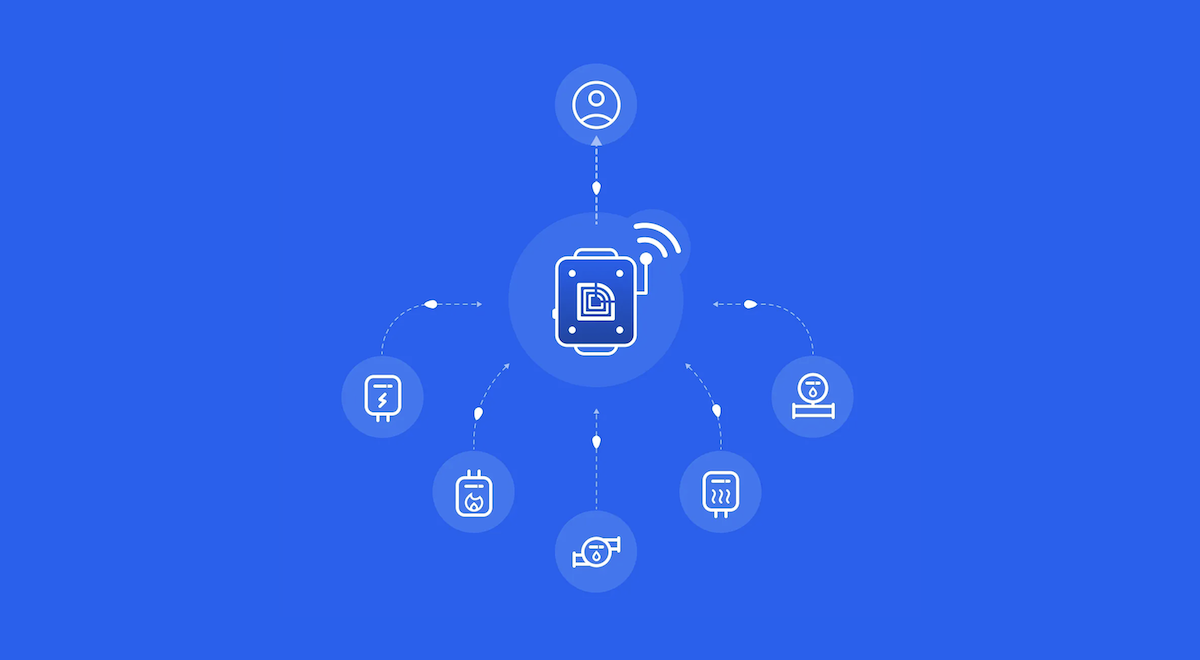
Looking for a wireless M-Bus converter but unsure which frequency band to choose? This article compares 868 MHz and 433 MHz, explains key technical differences, and offers practical guidance based on meter compatibility, signal conditions, and installation environments.
Read more
How to?

Everything you need to know, documented. ACRIOS wiki.
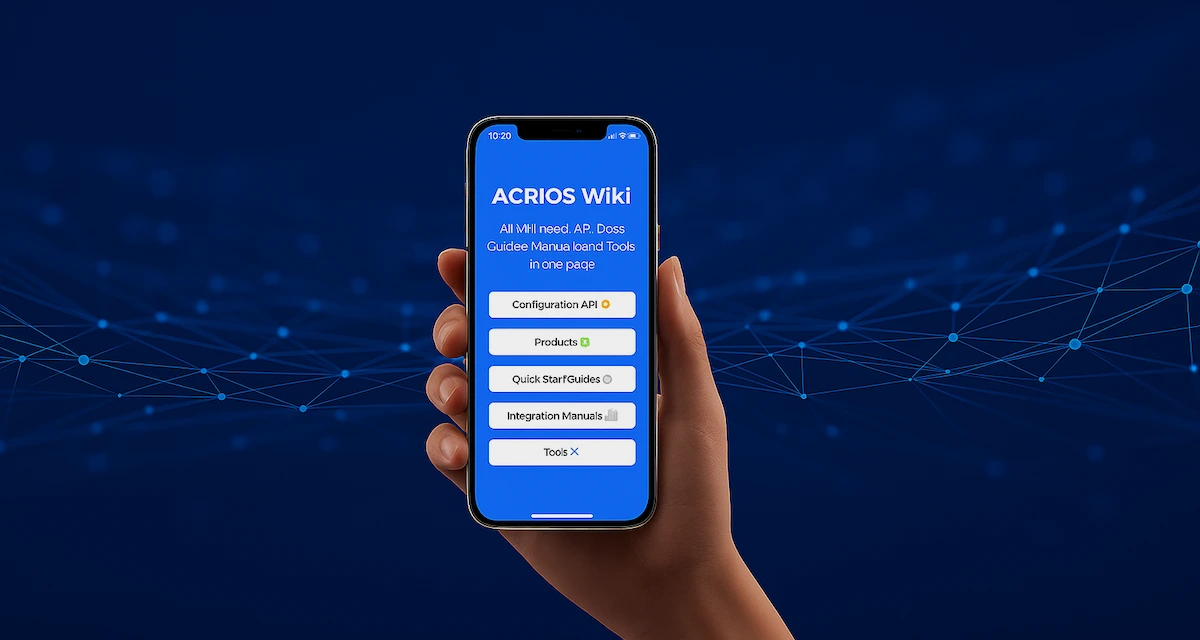
One place to find answers to all your technical questions. The ACRIOS wiki simplifies technical communication by bringing together everything needed for configuration, installation, and integration. Online, accessible, and continuously updated.
Read more
Technology

End-to-end custom hardware and software development
Ready-made products can work. Until they don’t. When specific requirements emerge, a custom development approach offers the flexibility to design both hardware and software precisely for the task. Whether it’s a new solution or an upgrade to existing systems.
Read more
How to?

How to collect energy data to support ISO 50001

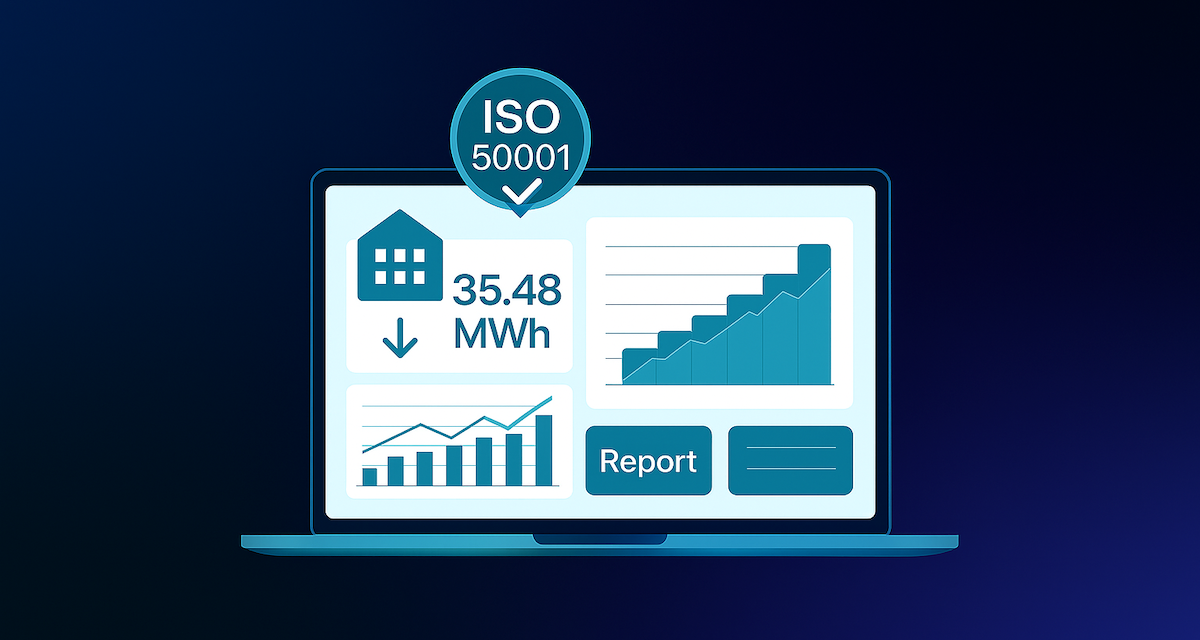
Energy efficiency is no longer just a buzzword. With rising energy costs and increasing regulatory pressure, frameworks like ISO 50001 are becoming essential. But to optimise energy use, organisations first need one thing: structured, reliable consumption data.
Read more
How to?

Lowering IoT TCO through smart manufacturing

The price tag is just the beginning. Real savings come from what happens after deployment – device setup, integration, maintenance and optimisation. Manufacturers can make all of this easier and cheaper, without compromising on performance.
Read more
How to?

Reading Sensus meters with zero hardware changes

Unifying meter readings across different protocols doesn’t have to mean replacing hardware or relying on a single vendor. Our solution connects even legacy Sensus meters (now part of the Xylem group) into a unified system – without the need to replace your existing devices.
Read more
Opinions and analysis

Why 15-minute data matters in district heating

15-minute interval readings help clarify heat pricing, detect anomalies and reduce billing complaints. They also support transparent cost allocation, a must as dynamic tariffs and EU rules raise the bar. With our converters, you can enable them without replacing your meters.
Read more
How to?

Give me a tool that works. Not a manual.

In the field, there’s no time for unnecessary clicks or second guesses. When every minute costs money, configuration needs to be fast, reliable, and dead simple. Let's have a look at what really works – and why complexity doesn’t belong at the installation site.
Read more
Compliance

5 most common myths about remote meter reading

From 2027, remote meter reading will be mandatory under the European Efficiency Directive. Yet despite growing availability of the technology, many myths and half-truths still surround its implementation. Let's break down five of the most common misconceptions.
Read more
Opinions and analysis

Battery-powered vs wired: What really costs more?

An externally powered data bus may look cheaper on paper. But once you factor in cabling, electrician work, inspections, and long-term upkeep, the story changes. Let's compare and reveal why battery-powered solutions often save more than just money – time, effort, and peace of mind.
Read more
Compliance

Cyber Resilience Act and IoT hardware
The European Union's Cyber Resilience Act significantly reshapes hardware requirements for IoT devices – promoting secure design, manufacturer transparency, and interoperability that is essential for resilience against cybersecurity threats. Learn more about CRA.
Read more
How to?

Next-gen meter readings, no replacements needed

Discover how to modernise your metering system without the high cost of replacing existing meters. With a smart converter, you can enable seamless remote readings using your current infrastructure. Quick to deploy, easy to manage, and fully compliant with EED requirements.
Read more
How to?

Modernising metering infrastructure

Connecting different types of meters into one efficient system can be a major challenge, when dealing with various manufacturers, generations and technologies. Discover how converters offer a smart, cost-effective way to unify even the most diverse metering infrastructures.
Read more
How to?

M-Bus to IoT integration explained

Connecting M-Bus meters to IoT networks like LoRaWAN or NB-IoT is now a critical step in modern utility infrastructure. Discover four practical methods that enable reliable, scalable, and future-ready integration – without complex custom development or delays.
Read more
Opinions and analysis

Understanding TCO: More than just hardware

When investing in new technology, looking beyond the initial hardware cost is more important than crucial. Discover how understanding and managing the total cost of ownership (TCO) can lead to smarter, more sustainable, and financially efficient technology investments.
Read more
Technology

NB-IoT technology: All you need to know

NB-IoT is a low-power, cost-effective IoT technology that ensures reliable connectivity with excellent coverage and security. Ideal for smart cities, industry, energy, and agriculture, it enables efficient communication for a wide range of devices. Let's discover its key features and benefits.
Read more
Technology

LoRaWAN: All you need to know

LoRaWAN is transforming the IoT with its long-range, low-power wireless communication. Ideal for smart cities, agriculture, and industrial automation, it enables efficient, cost-effective, and secure data transmission. Discover how LoRaWAN works and its key benefits.
Read more
Technology

M-Bus, wM-Bus, and RS-485: A technology guide

As cities and industries embrace digital transformation, reliable data collection and communication are essential. M-Bus, Wireless M-Bus (wM-Bus), and RS-485 technologies play a crucial role in smart metering, industrial automation, and infrastructure monitoring.
Read more
Technology

LoRaWAN vs. NB-IoT: Which technology is right for you?
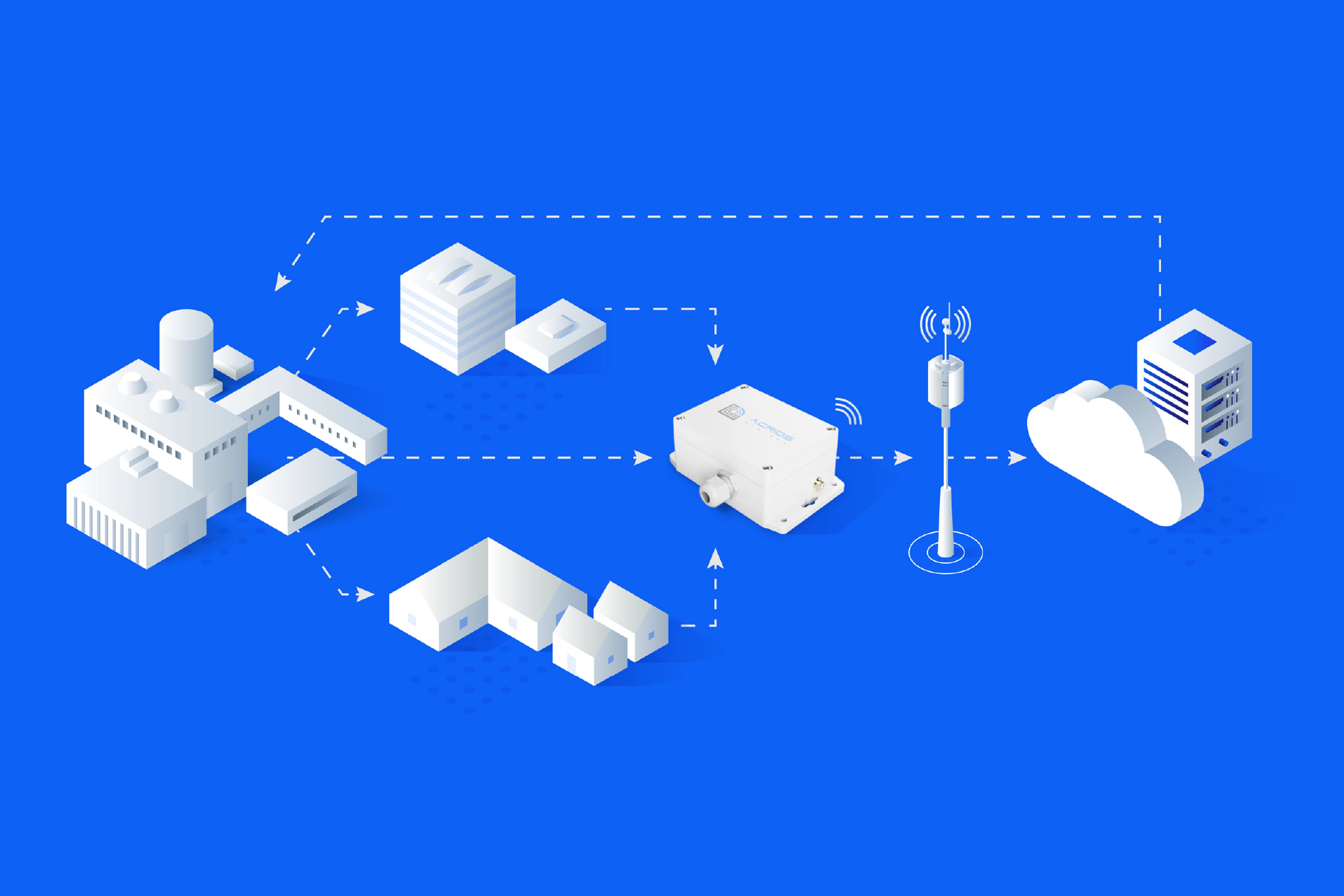
As industries embrace digital transformation, many are upgrading legacy equipment to keep pace with evolving technology. The integration of smart metering and remote monitoring is turning traditional devices into key players in the rapidly expanding IoT ecosystem.
Read more
Technology

Smart metering: What it is and why it matters

Smart metering transforms energy monitoring by real-time insights into electricity, gas, and water use. By upgrading traditional meters with converters, it enables accurate billing, early issue detection, and improved grid efficiency for both consumers and providers.
Read more
Technology

IoT: Technology that saves time and money

If you have been hearing about IoT lately, you are not alone. IoT, short for the Internet of Things, is transforming the way we live and work – saving time, effort, and sometimes hundreds of euros each year and that is why we are leveraging it here at ACRIOS Systems.
Read more
Company news

ACRIOS Systems unveils its brand-new website.

We are excited to introduce new website. With a fresh design and enhanced features, we have created a more intuitive and enjoyable experience. Seamless navigation, improved functionality, and a modern look that makes finding what you need easier. Welcome to our new digital home.
Read more
CONTACT US

Get in touch

Ask a technical question, request more information, or tell us about your project. We'll point you to the right person and the right solution.

In touch across Europe

Based in the Czech Republic, working with customers and partners across Europe. Ask us for the right contact in your region.

By clicking the Send your message button, you agree to the processing of personal data.

Thank you for your inquiry. We will address it as soon as possible.
Oops! Something went wrong while submitting the form.