How to collect energy data to support ISO 50001
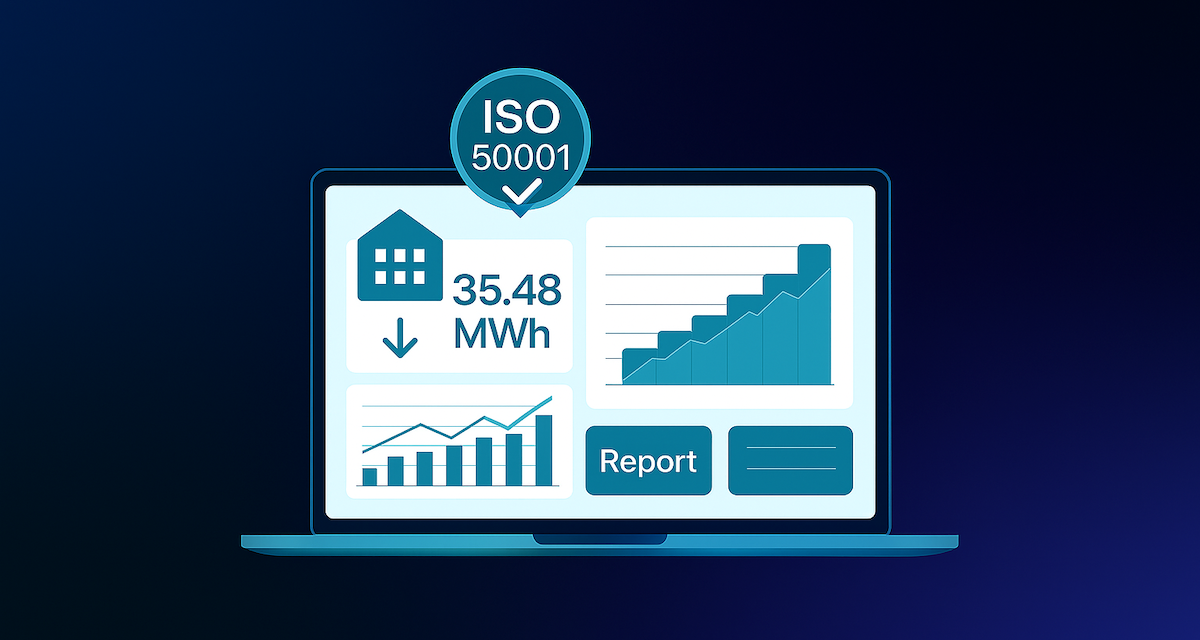
Energy management is no longer just a nice-to-have. With the shift to renewables, the rising costs of electricity, and increasing demand from modern technology, organisations of all types are facing mounting pressure to use energy more wisely. Whether you’re aiming for ISO 50001 certification, need to meet EED or ESG requirements, or just want to reduce operating costs, it all starts with energy data. Real data, from real operations – not estimates or isolated snapshots.
What is ISO 50001 and why adopt it?
ISO 50001 is a global energy management standard that helps organisations measure and improve how they consume and distribute energy. Including electricity, gas, water, and more. Beyond compliance, the certification brings practical benefits:
- Lower operating costs
- Reduced environmental impact
- Real-time insights for process optimisation
- Better access to financing and ESG-aligned investments
The framework applies to many sectors, from utilities and manufacturers to property owners, public institutions, schools, and hospitals. But to act on energy, you need to measure it. So what exactly should you be tracking?
What kind of energy data should you collect?
To comply with ISO 50001, or simply improve energy efficiency, you need granular, consistent, and contextual data. Not just about overall consumption, but also:
Total consumption with time resolution
- Electricity prices vary depending on the time of day and energy market conditions. Frequent readings (e.g., every 15 minutes) help you understand when and where you consume the most, and how to shift load to cheaper times. This insight can also inform better alignment of energy production (e.g., solar PV) with demand.
Device-level metering
- Tracking individual devices helps determine total cost of ownership (TCO), plan asset depreciation, and identify energy-intensive or underused equipment. With the right protocol support (e.g. M-Bus, wM-Bus, Modbus), this data can be automatically centralised.
Meta information and performance indicators
- Parameters like flow rate, electric load, or peak demand might not be directly tied to billing, but they offer essential context. With minute-based readings, you can detect issues early and respond proactively.
The challenge is how to collect all this data. Even organisations that understand the value of energy data often struggle to gather it. Many existing meters don’t support remote readings, especially those using M-Bus, Modbus, or pulse output. Wireless M-Bus meters have limited range (20–40 m), and replacing every device with a “smart” meter is rarely cost-effective. This is where ACRIOS converters come in.
Why converters are a smart retrofit for energy metering
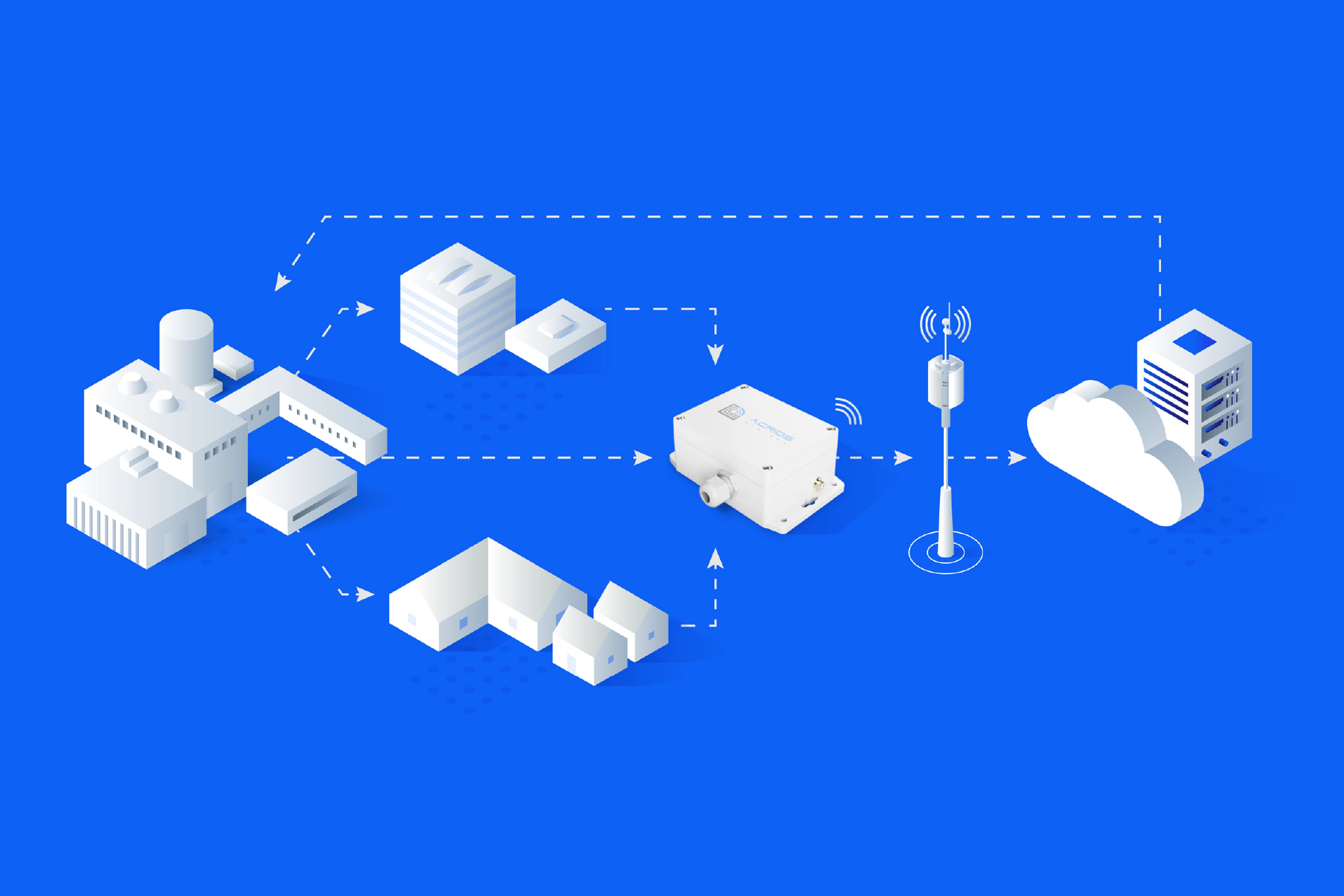
Converters solve the problem of fragmented or non-communicative meters. Instead of replacing your infrastructure, they extend it with a unified data collection layer. ACRIOS converters are compatible with most meters on the market and support M-Bus, wM-Bus, Modbus, and pulse interfaces. They can be preconfigured to match your existing setup and integrated into LoRaWAN, NB-IoT, or custom networks.
M-Bus, Modbus, Pulse
These meters require a direct wired connection. With battery-powered converters, there’s no need for an electrician or compliance checks – installation is quick, and configuration happens remotely.
Wireless M-Bus
Installation is even easier. Simply place the converter within range of your wM-Bus meters, configure the list of targets, and start collecting data.
Retrofit metering with full ISO 50001 potential
Smart converters unlock a range of energy optimisation opportunities, without touching your existing meters. You gain:
- Transparent insight into energy use
- Easy access to real-time and historical data
- Compatibility with your existing protocols
- Lower deployment and maintenance costs
Whether you’re seeking ISO 50001 certification or just want to run your operations more efficiently, reliable data is your first step – and ACRIOS gives you the tools to get there.
FAQs
Beyond total consumption, it's valuable to monitor individual devices, detect peak loads, track metadata and analyse trends. This forms the basis for both optimisation and certification.
No. As long as meters have a basic output (M‑Bus, wM‑Bus, Modbus or pulse), they can be integrated into modern networks by retrofitting using converters that enable remote readings.
ACRIOS converters support fully configurable intervals: 15minutes, 1 hour, 2 days... You can set them during setup or adjust them remotely anytime.
Yes. They are commonly integrated into existing networks using standard protocols and transmit data over LoRaWAN or NB‑IoT.
No. Installation is quick and usually requires no changes to existing infrastructure or downtime.
Preparing for ISO 50001 or improving your energy data collection? Let’s review how to collect reliable, auditable energy data from your meters and systems in a way that supports ISO 50001 requirements and long-term energy management.

Blog
ILI: what the EU leakage threshold measures

Pulsed water meter: All you need to know
LoRaWAN airtime: why radio conditions matter
Converter, bus, bridge, gateway: what's the difference?
What actually drains an IoT device battery
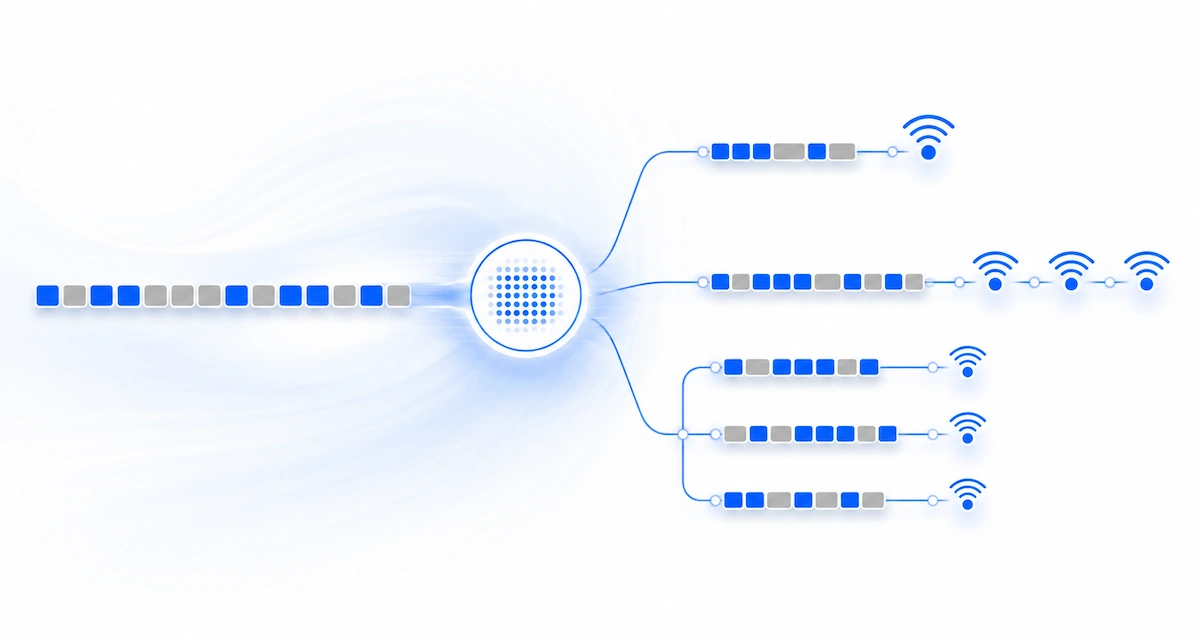
M-Bus parsing strategies for LoRaWAN and NB-IoT

How to best replace walk-by meter reading
Can your existing meters be retrofitted?

Battery life in IoT: beyond the datasheet number
Agile, Waterfall, or NRE? Choosing a development methodology
Developing adaptive IoT communication under the CRA
Focused supplier or large vendor? Depends on the project

Edge computing in IoT metering
Manufacturer as a technology partner

Why a device without an antenna fails

CE certification for IoT: What RED DA changes
Water losses in utility networks: The hidden cost of leaks
Pressure monitoring in water networks: Early fault detection
M-Bus pressure sensor: Leak detection for water utilities
The cost of measurement data errors and how to prevent them

Smart Readiness Indicator (SRI): All you need to know
M-Bus installation tool Wizard from ACRIOS
Coulomb meter: Everything you need to know
ACR-EX in water utilities: remote reading of pulse water meters

ACRIOS and Quectel announce partnership

External or internal? How custom development works

Proven deployment of 10,000 wM-Bus converters for EED
Choosing a remote reading system for water utilities
Open data interfaces pay off for reporting and integration
15-minute vs daily meter readings frequency explained
Scripting in IoT: Flexibility, sustainability, and protection

Gas meter data to dashboard: ACR-EX meets Datacake
EPBD is coming: what BACS means for your building
When DTLS makes sense. Know before you deploy
Not your keys, not your hardware
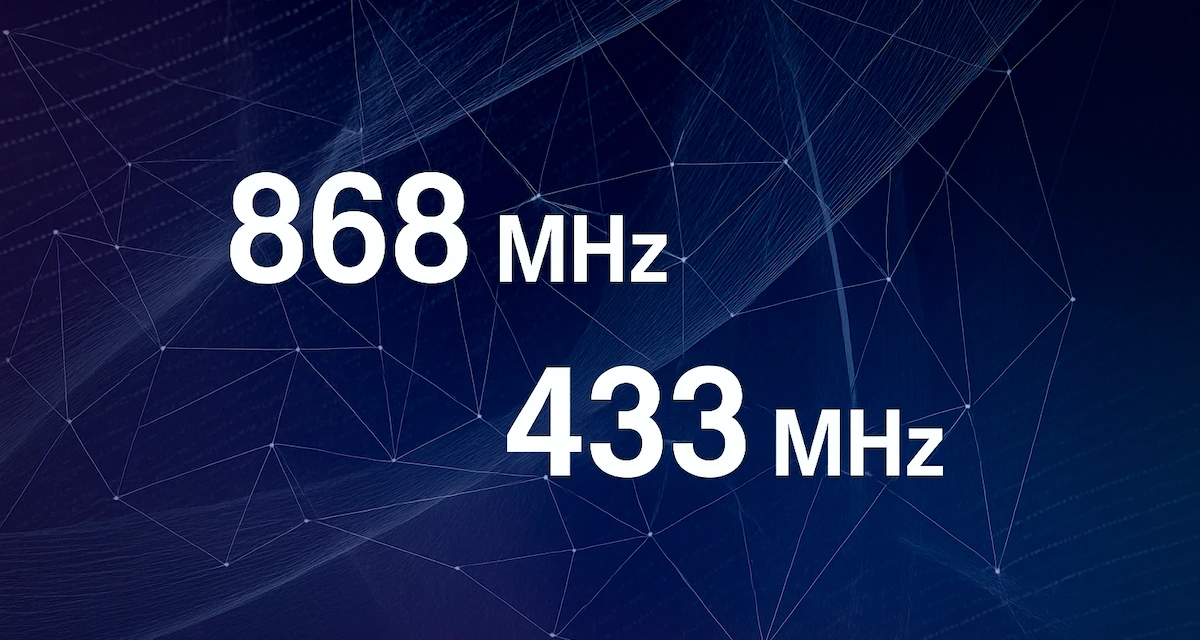
868 MHz or 433 MHz? The right choice for your wM-Bus
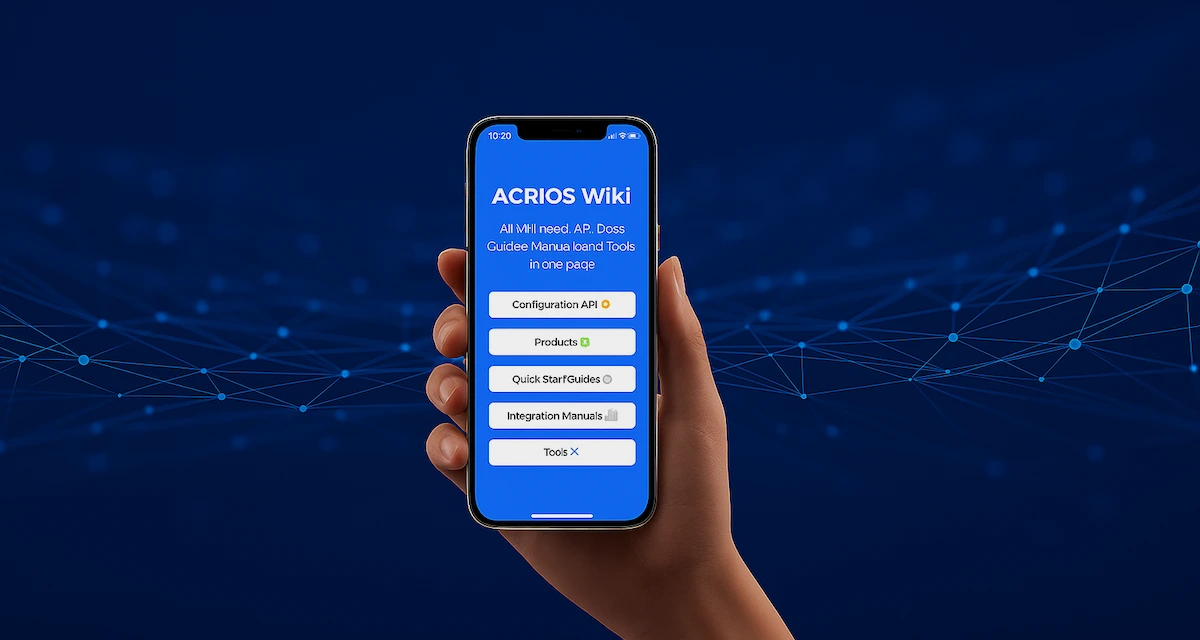
Everything you need to know, documented. ACRIOS wiki.
End-to-end custom hardware and software development
Lowering IoT TCO through smart manufacturing
Reading Sensus meters with zero hardware changes

Why 15-minute data matters in district heating

Give me a tool that works. Not a manual.

5 most common myths about remote meter reading

Battery-powered vs wired: What really costs more?

Cyber Resilience Act and IoT hardware
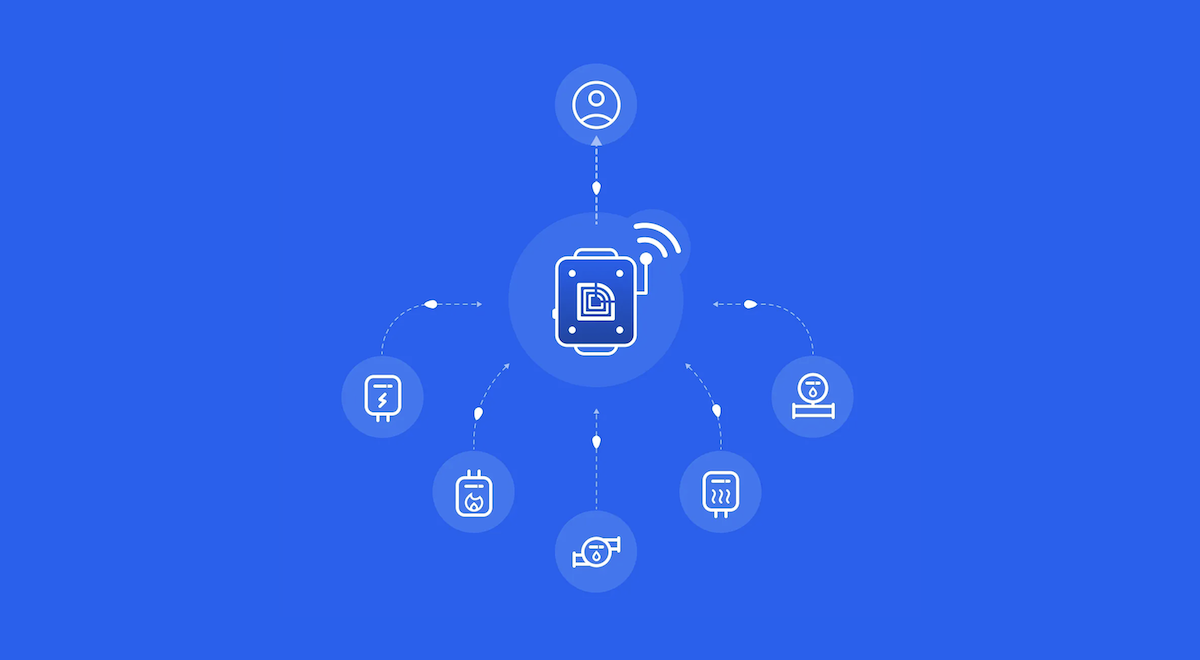
Next-gen meter readings, no replacements needed

Modernising metering infrastructure

M-Bus to IoT integration explained
Understanding TCO: More than just hardware

NB-IoT technology: All you need to know

LoRaWAN: All you need to know

M-Bus, wM-Bus, and RS-485: A technology guide

LoRaWAN vs. NB-IoT: Which technology is right for you?
Smart metering: What it is and why it matters

IoT: Technology that saves time and money