5 most common myths about remote meter reading

Why it’s time to prepare for the new reality before 2027? From 1 January 2027, the European Energy Efficiency Directive (EED) will require that all consumption meters and metering systems support remote access to usage data. Although the technology is readily available, there are still wide spread misconceptions about how remote reading works and what it involves. In this article, we break down five of the most common myths – and explain what’s actually true today.
Myth 1: Remote reading requires replacing all existing meters
"We'll have to throw away everything and start from scratch."
This is a common concern that causes many organisations to delay digitalisation.
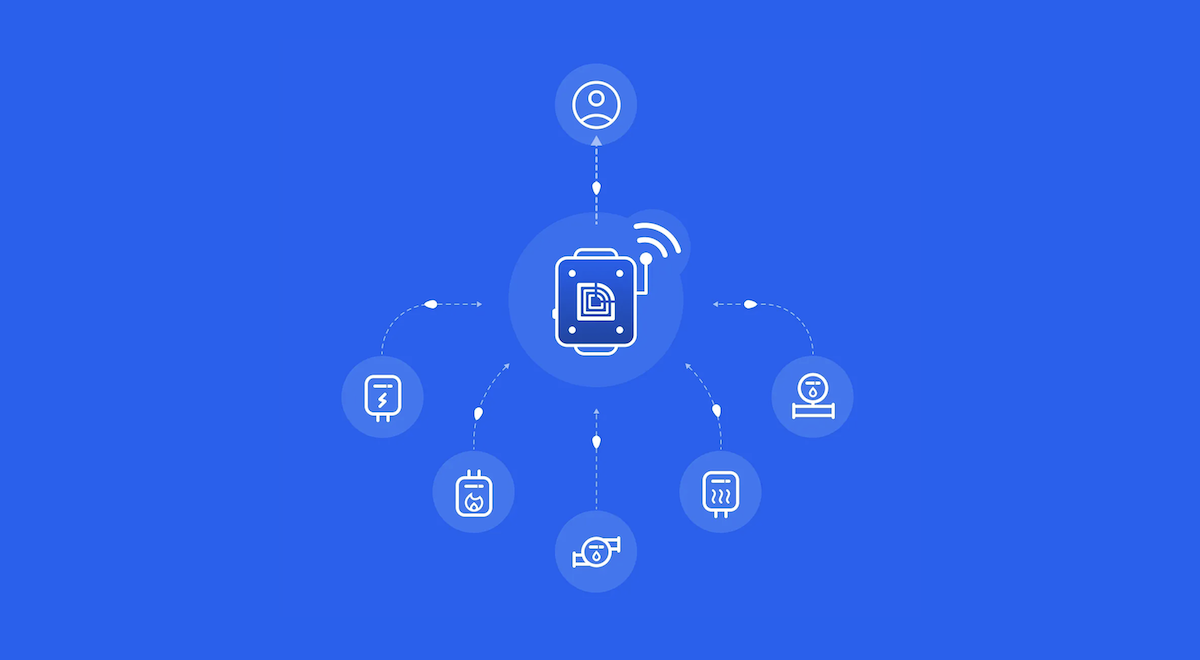
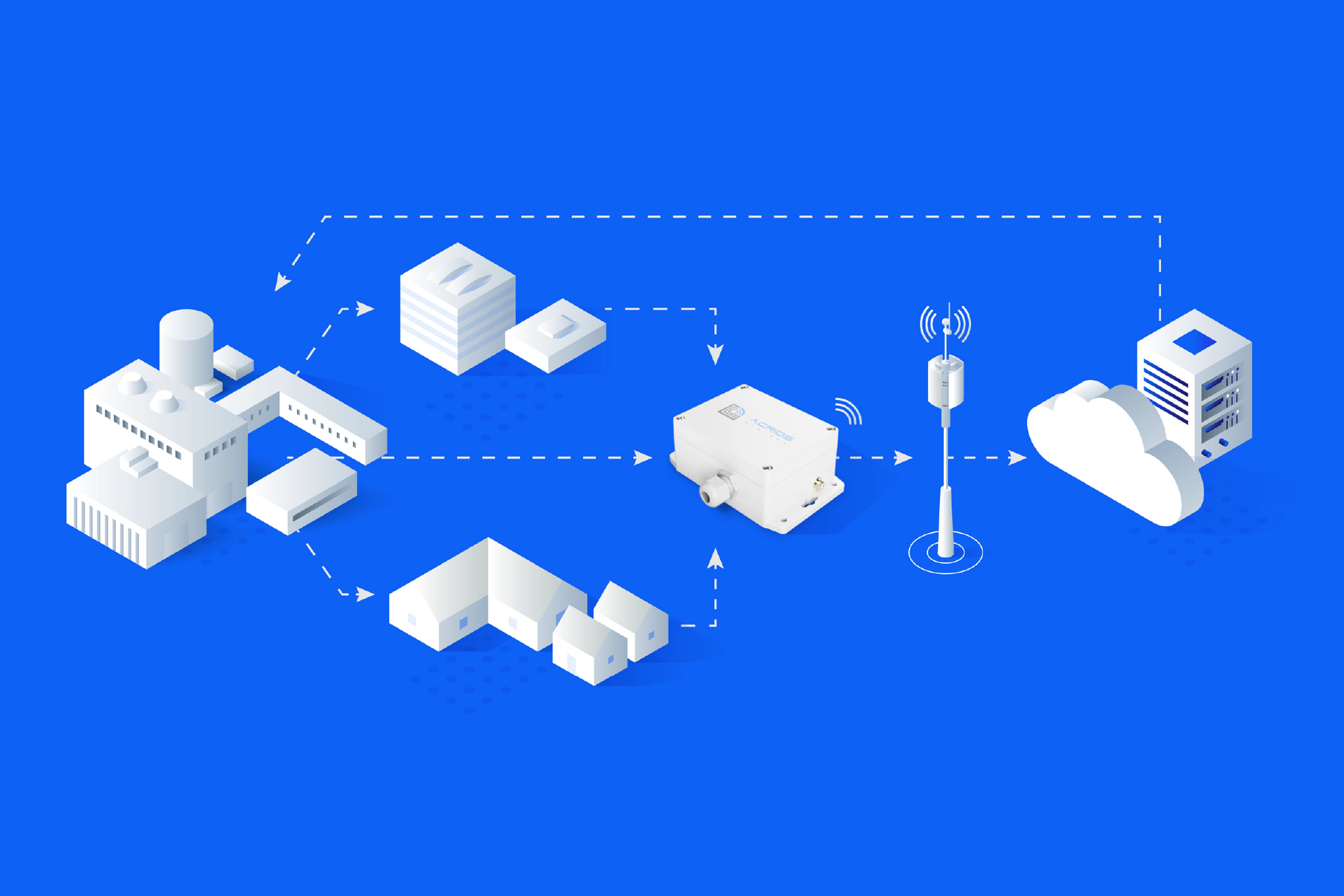
REALITY: Replacing every meter is not necessary. Solutions like ACRIOS retrofit converters make it possible to upgrade your existing infrastructure with add-on communication modules – enabling remote data access without major investment or construction work.
Myth 2: Remote reading isn’t reliable
"What if the data fails to transmit or doesn't arrive on time?"
Reliability is a frequent worry, especially in large or complex buildings.
REALITY: Modern technologies like NB-IoT, M-Bus or LoRaWAN are designed for stable, long-range data transmission, even in technically challenging environments. With proper planning and testing, you can expect consistent and timely delivery of consumption data. And that’s exactly what EED implicitly requires: reliable access to accurate, regular readings.
Myth 3: Data transmission isn’t secure
"What about GDPR? Could the data be intercepted or misused?"
As awareness of data protection increases, concerns about transmission security grow.
REALITY: Data transmission is encrypted and protected to the same standard as secure corporate communications. In most cases, remote meter data doesn’t qualify as personal data – it reflects technical usage values. ACRIOS solutions also include detailed user access management, meeting both GDPR and EED expectations for data accessibility and safety.
Myth 4: Installation is complicated and expensive
"We’ll need permits, technical designs, system downtime... it's too much."
This is a common assumption among smaller building managers or municipalities.
REALITY: With modular systems like ACRIOS, installation is fast, simple, and doesn’t require service interruption. No complex paperwork or infrastructure changes are needed. Better yet, you can roll out the system gradually, aligning it with your budget and technical capacity.
Myth 5: Remote reading is only for big organisations
"We’re just a small building association – this probably doesn’t apply to us."
This misconception is especially common among residential building associations or small-scale building owners.
REALITY: The EED applies to all energy consumption metering – large or small. And smaller users actually stand to benefit most from remote reading: real-time insights, alerts for anomalies, and full access to historical data at any time. Digitalisation isn’t a luxury; it’s a practical upgrade that supports smarter, more efficient energy use.
Final thought: EED is coming. Are you ready?
European legislation is moving clearly towards transparency, data-driven decisions, and shared responsibility for consumption. Remote meter reading is a key step in that transformation.
FAQs
From 1 January 2027, all consumption meters must support remote access to usage data without the need for manual readings.
No. Most existing meters can be retrofitted using converters that enable remote readings without full replacement of the metering infrastructure.
Yes. All ACRIOS converters support secure communication over LoRa, NB-IoT, and MQTT, with configurable encryption options.
Modular retrofit solutions support remote readings even in small buildings and older infrastructures without major construction or system changes.
No. Installation is quick and usually requires no changes to existing infrastructure or downtime.
Preparing for EED 2027 requirements? We can help you assess your current setup and define a practical path to compliant remote meterin, aligned with your building, existing infrastructure, and rollout constraints.

Blog
ILI: what the EU leakage threshold measures

Pulsed water meter: All you need to know
LoRaWAN airtime: why radio conditions matter
Converter, bus, bridge, gateway: what's the difference?
What actually drains an IoT device battery
M-Bus parsing strategies for LoRaWAN and NB-IoT

How to best replace walk-by meter reading
Can your existing meters be retrofitted?

Battery life in IoT: beyond the datasheet number
Agile, Waterfall, or NRE? Choosing a development methodology
Developing adaptive IoT communication under the CRA
Focused supplier or large vendor? Depends on the project

Edge computing in IoT metering
Manufacturer as a technology partner

Why a device without an antenna fails

CE certification for IoT: What RED DA changes
Water losses in utility networks: The hidden cost of leaks
Pressure monitoring in water networks: Early fault detection
M-Bus pressure sensor: Leak detection for water utilities
The cost of measurement data errors and how to prevent them

Smart Readiness Indicator (SRI): All you need to know
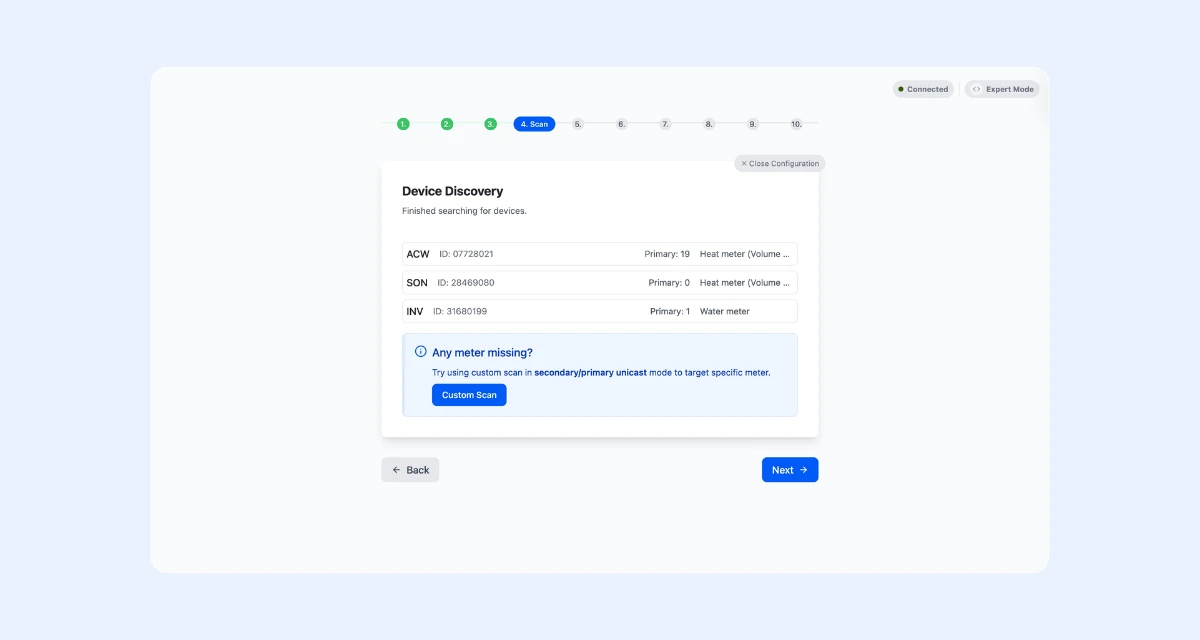
M-Bus installation tool Wizard from ACRIOS
Coulomb meter: Everything you need to know
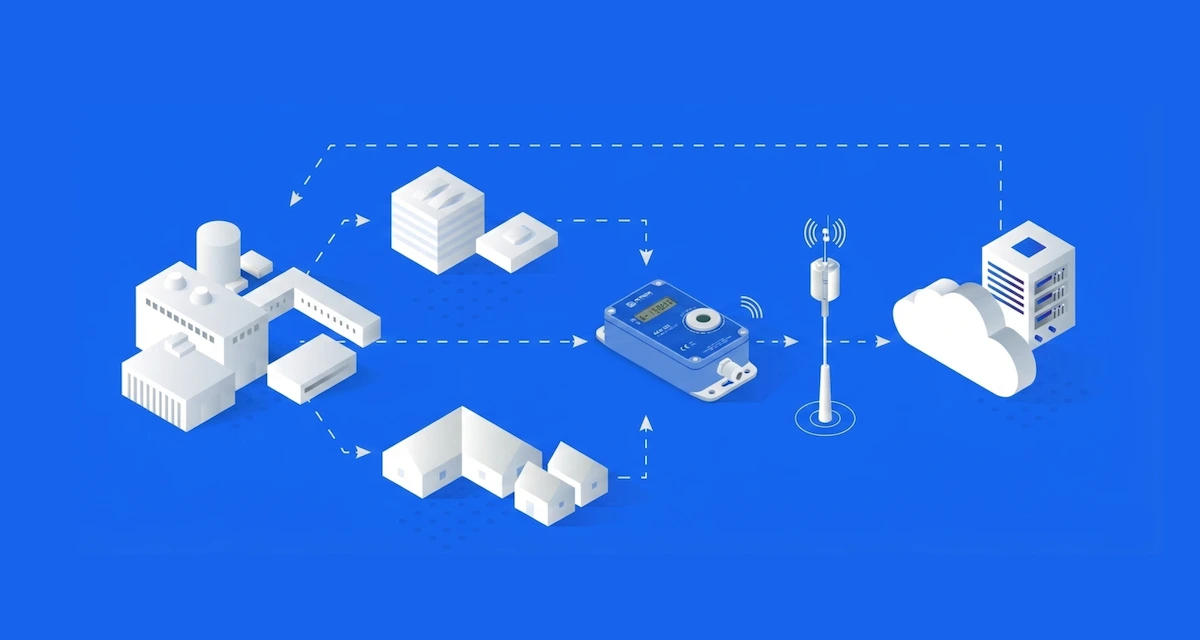
ACR-EX in water utilities: remote reading of pulse water meters

ACRIOS and Quectel announce partnership

External or internal? How custom development works

Proven deployment of 10,000 wM-Bus converters for EED
Choosing a remote reading system for water utilities
Open data interfaces pay off for reporting and integration

15-minute vs daily meter readings frequency explained
Scripting in IoT: Flexibility, sustainability, and protection

Gas meter data to dashboard: ACR-EX meets Datacake
EPBD is coming: what BACS means for your building
When DTLS makes sense. Know before you deploy
Not your keys, not your hardware
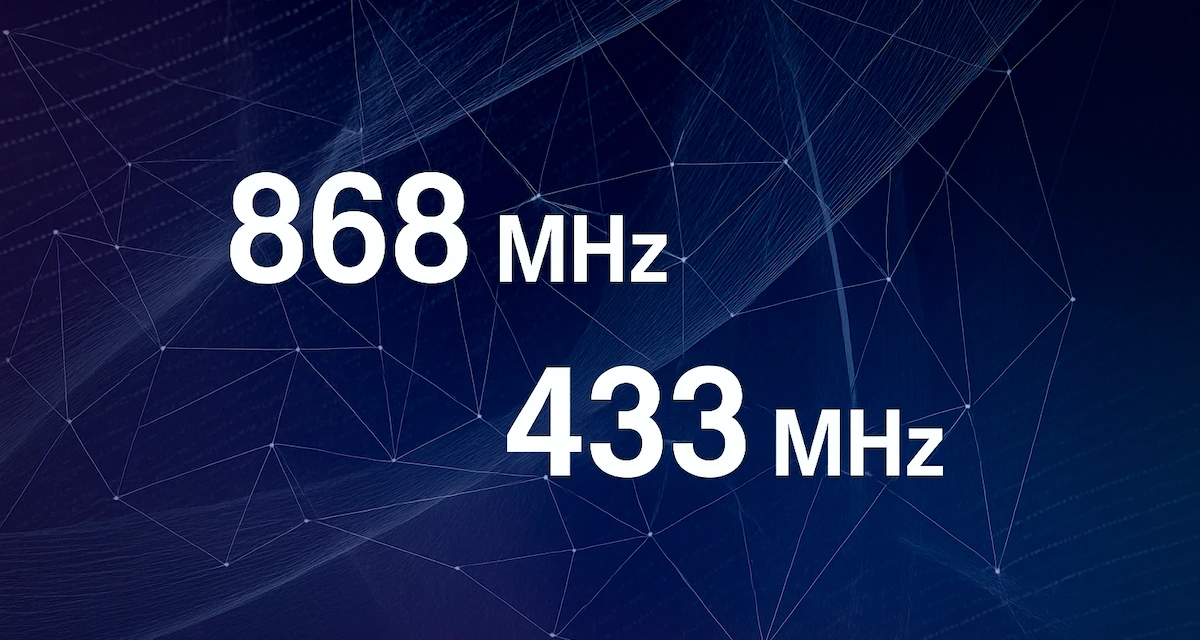
868 MHz or 433 MHz? The right choice for your wM-Bus
Everything you need to know, documented. ACRIOS wiki.
End-to-end custom hardware and software development
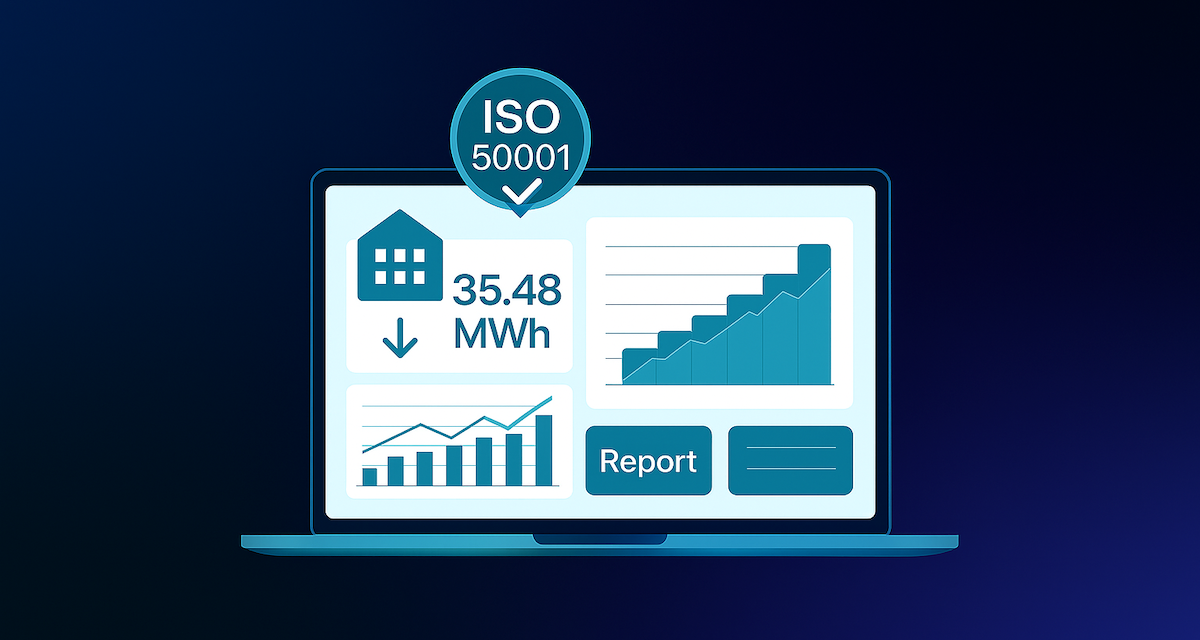
How to collect energy data to support ISO 50001
Lowering IoT TCO through smart manufacturing
Reading Sensus meters with zero hardware changes

Why 15-minute data matters in district heating

Give me a tool that works. Not a manual.

Battery-powered vs wired: What really costs more?

Cyber Resilience Act and IoT hardware
Next-gen meter readings, no replacements needed

Modernising metering infrastructure

M-Bus to IoT integration explained

Understanding TCO: More than just hardware

NB-IoT technology: All you need to know

LoRaWAN: All you need to know

M-Bus, wM-Bus, and RS-485: A technology guide

LoRaWAN vs. NB-IoT: Which technology is right for you?
Smart metering: What it is and why it matters

IoT: Technology that saves time and money