Open data interfaces pay off for reporting and integration
Data collection is not enough. You do need control. Today, data collection itself is no longer surprising. The real challenge is how to use data afterwards. Not only storing and displaying it, but also providing it to systems that need to process it. The format and openness of data determine whether it will remain usable in the long term.
That is why an open data interface is a key element of modern infrastructure. Unlike proprietary protocols, it allows standardised processing and sharing across applications. The result is greater flexibility, lower vendor lock-in and long-term sustainability.
What an open data interface is and how it works
An open data interface is a standardised way of transmitting and storing data. Thanks to a unified format, it enables efficient processing and the ability to combine data in different applications. Open formats and protocols bring four major benefits: Support across a wide range of tools and libraries, long-term compatibility and backward readability, easy data sharing between users and systems and the possibility to preserve analysis results in a form that remains usable.
Practical examples of open interfaces include API (Application Programming Interface), a structured way to automatically retrieve or send data. MQTT (Message Queuing Telemetry Transport), a lightweight protocol for IoT devices. HTTP(S) Push, an active sending of data to a defined address. CSV export, an universally readable format for Excel and other tools, generated directly in the cloud.
Why cloud-only access is not enough
Cloud services simplify data collection and visualisation, but without an open interface they become a black box. Data is controlled by the provider, not you. If pricing changes or the service is discontinued, you risk losing access or facing a difficult export.
An open interface, by contrast, provides independence. Users can export data, combine it with other sources and use it in their own tools. In practice, this means being able to:
- create customised dashboards and results,
- combine consumption with other data (e.g. production, weather),
- connect company reporting systems (Power BI, Excel, EMS, SAP),
- automate ESG and ISO 50001 reporting,
- integrate data into higher-level systems (BMS, SCADA).
What a quality data interface looks like in practice
To be truly usable, an interface should meet several essential parameters:
Well-documented API
- clear descriptions of query and response structures,
- usage examples, SDK and versioning,
- access to both real-time and historical data.
Secure authentication and encryption
- support for OAuth2, tokens or API keys,
- communication via HTTPS,
- permission management by user or application.
Standard formats and protocols
- JSON, XML, CSV,
- MQTT, HTTP, WebSocket.
Filtering and querying capabilities
- selection by time, data type or device.
Scalability and stability
- ability to handle multiple clients and higher volumes without outages.
Open interfaces are applied across different industries, for example in water utilities, where consumption data combined with meteorological information helps predict network load depending on weather conditions. In district heating meter data flows directly into the SCADA system, supporting boiler operation optimisation and fuel efficiency. In property management sector MQTT transmissions from meters integrated with a BMS system enable immediate reactions to consumption spikes, e.g. automatic load reduction during peak times. Such scenarios clearly show that open interfaces are not just a technical detail, but a tool with a direct impact on efficiency and costs.
Common mistakes in implementation
Despite their advantages, open interfaces are often implemented with recurring mistakes:
- choosing solutions with proprietary protocols that restrict further development,
- insufficient verification of documentation quality and support,
- lack of performance testing with larger data volumes,
- underestimating security and authentication.
Avoiding these mistakes helps protect investments and ensures that the system remains fit for the future.
Think about openness when choosing technology
When purchasing metering equipment or data collection systems, always ask about the availability of open interfaces. Quality documentation, standard protocols and the absence of restrictive licences are decisive factors.
Devices from ACRIOS Systems are built on this openness – converters and gateways with support for MQTT, HTTP(S), REST API, CSV export (processed on the server) and direct integration into building management systems give users the confidence to work with their data completely freely. In the era of digitalisation and energy optimisation, an open data interface is the key to efficiency, sustainability and independence from third parties.
FAQs
You do not need to abandon such a system immediately. What matters is whether your provider allows exporting data to open formats or offers an API. This way, you can still work with your data outside their environment.
The most common issues are missing documentation, limited filtering options, or the absence of standard protocols. This is why it is essential to review interface parameters when selecting the technology.
Usually not very complex. Standard protocols such as MQTT, HTTP or CSV are supported by most platforms. It only becomes demanding if a company requires highly specific data combinations or very complex scenarios.
Without proper documentation, an interface is practically unusable. It is advisable to request API documentation samples before signing a contract and to test their functionality.
Open does not mean freely accessible. A good interface uses authentication (OAuth2, API keys), secure transmission (HTTPS), and supports permission settings by user or application roles.
Ready to implement an open data interface in your system? Let’s design a solution that connects your devices and platforms using open standards. Contact us to learn how we can support your reporting and integration needs.

Blog

ILI: what the EU leakage threshold measures

Pulsed water meter: All you need to know
LoRaWAN airtime: why radio conditions matter
Converter, bus, bridge, gateway: what's the difference?

What actually drains an IoT device battery
M-Bus parsing strategies for LoRaWAN and NB-IoT

How to best replace walk-by meter reading
Can your existing meters be retrofitted?

Battery life in IoT: beyond the datasheet number
Agile, Waterfall, or NRE? Choosing a development methodology

Developing adaptive IoT communication under the CRA
Focused supplier or large vendor? Depends on the project

Edge computing in IoT metering
Manufacturer as a technology partner

Why a device without an antenna fails

CE certification for IoT: What RED DA changes

Water losses in utility networks: The hidden cost of leaks
Pressure monitoring in water networks: Early fault detection
M-Bus pressure sensor: Leak detection for water utilities
The cost of measurement data errors and how to prevent them

Smart Readiness Indicator (SRI): All you need to know
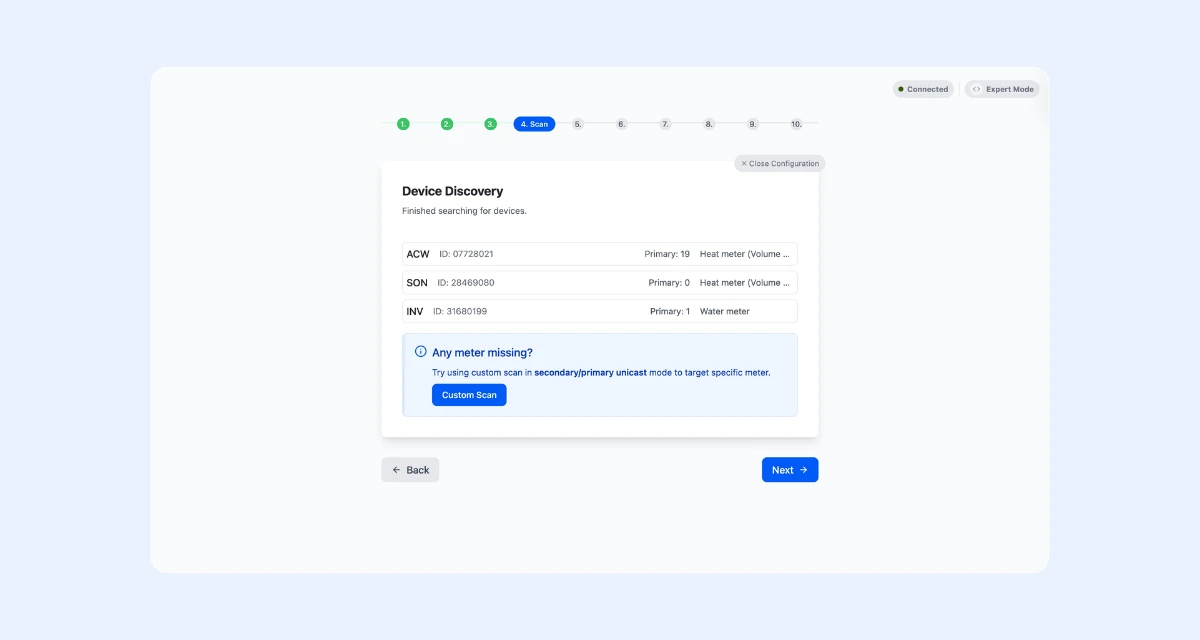
M-Bus installation tool Wizard from ACRIOS

Coulomb meter: Everything you need to know
ACR-EX in water utilities: remote reading of pulse water meters

ACRIOS and Quectel announce partnership

External or internal? How custom development works

Proven deployment of 10,000 wM-Bus converters for EED
Choosing a remote reading system for water utilities

15-minute vs daily meter readings frequency explained
Scripting in IoT: Flexibility, sustainability, and protection

Gas meter data to dashboard: ACR-EX meets Datacake
EPBD is coming: what BACS means for your building
When DTLS makes sense. Know before you deploy

Not your keys, not your hardware
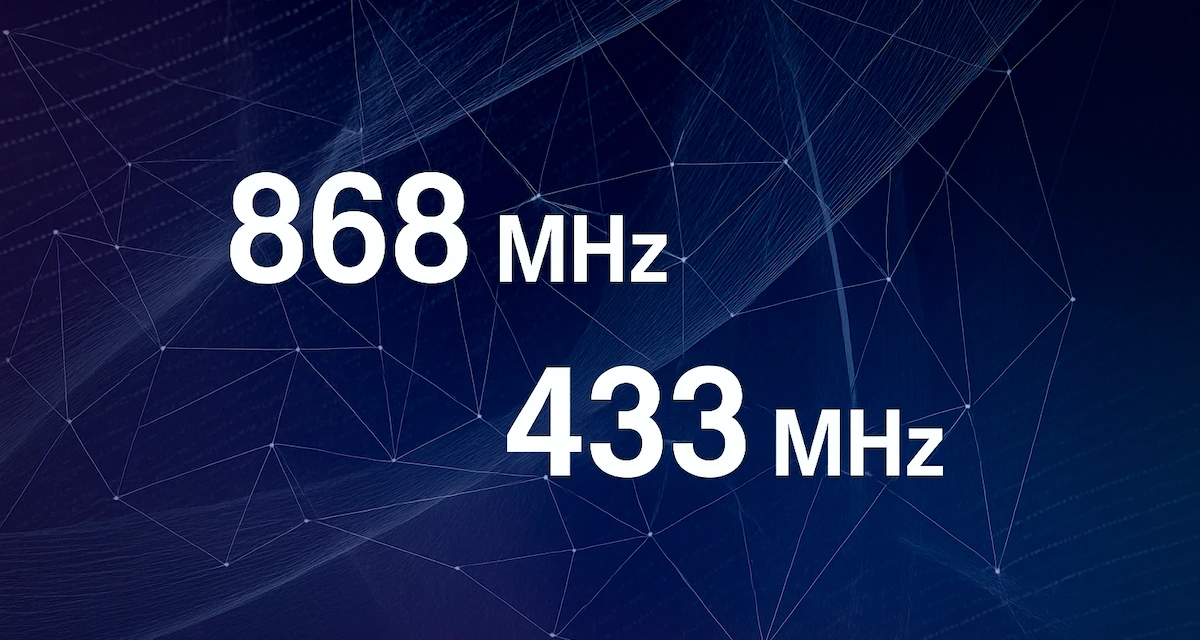
868 MHz or 433 MHz? The right choice for your wM-Bus
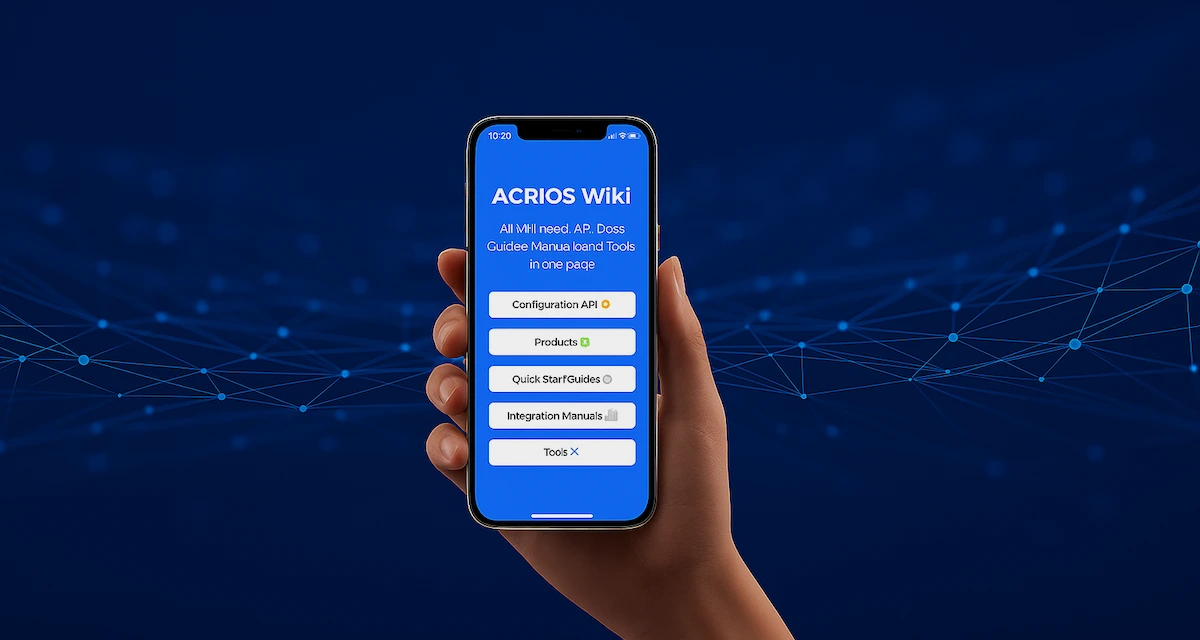
Everything you need to know, documented. ACRIOS wiki.

End-to-end custom hardware and software development
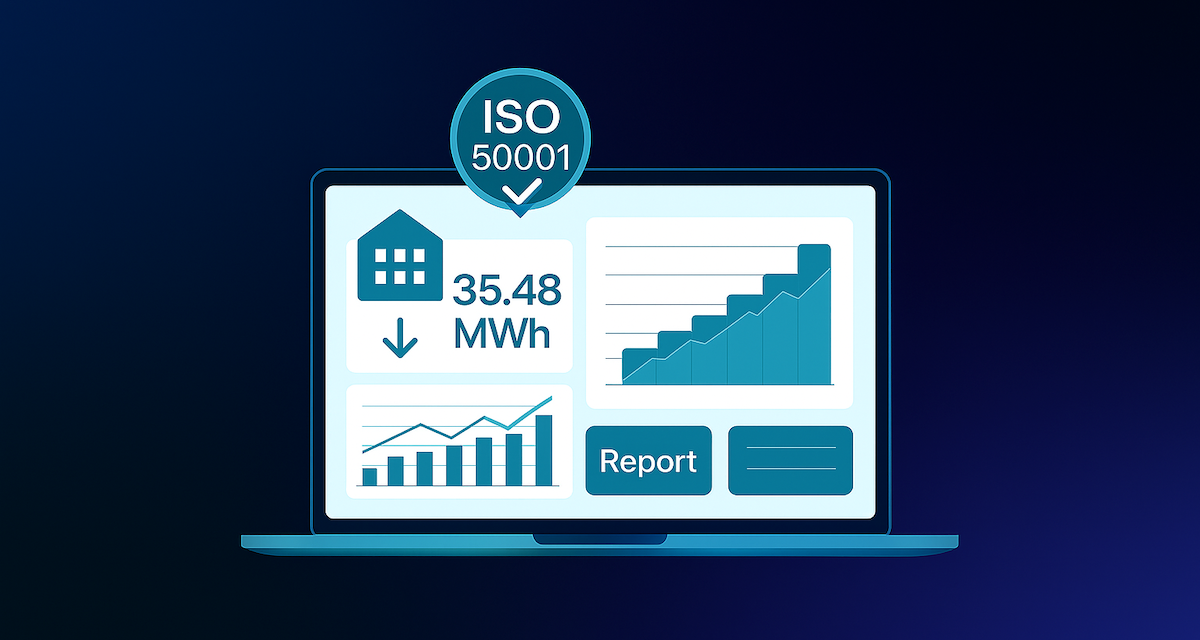
How to collect energy data to support ISO 50001

Lowering IoT TCO through smart manufacturing

Reading Sensus meters with zero hardware changes

Why 15-minute data matters in district heating

Give me a tool that works. Not a manual.

5 most common myths about remote meter reading

Battery-powered vs wired: What really costs more?

Cyber Resilience Act and IoT hardware
Next-gen meter readings, no replacements needed

Modernising metering infrastructure

M-Bus to IoT integration explained

Understanding TCO: More than just hardware

NB-IoT technology: All you need to know

LoRaWAN: All you need to know

M-Bus, wM-Bus, and RS-485: A technology guide

LoRaWAN vs. NB-IoT: Which technology is right for you?
Smart metering: What it is and why it matters

IoT: Technology that saves time and money