Scripting in IoT: Flexibility, sustainability, and protection
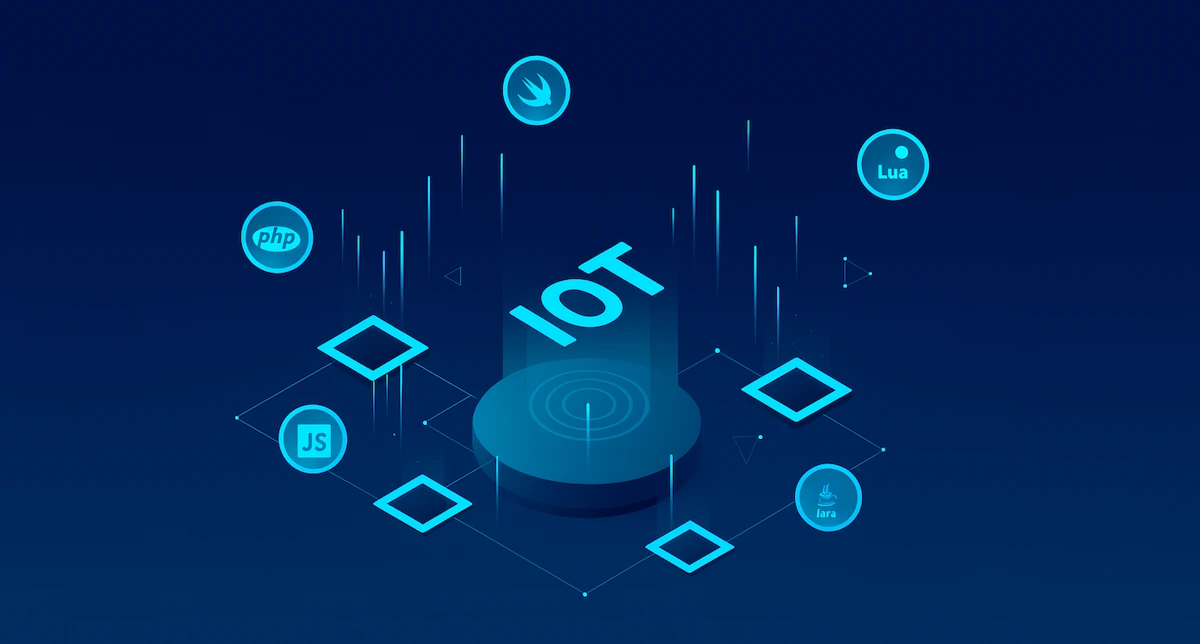
One of the common challenges in deploying IoT devices in real-world projects is the need to modify firmware every time the customer requires a specific behaviour. Whether it’s a different reading interval, support for a proprietary protocol, or a change in how the data is filtered, such modifications typically require a new firmware version, new testing, and often even physical re-flashing of the device. This approach is unsustainable in the long run, especially if you’re deploying hundreds or thousands of devices and want to keep using a stable, tested version.
One proven method to avoid this scenario is to adopt a scriptable device architecture. In other words, keep the core logic within the firmware, but allow the customer to define specific behaviours through a script – a separate layer that doesn’t interfere with the system’s core, but can influence it.
You can think of it as an API connector layered on top of a software solution: you can work with it in ways other than the standard GUI (e.g., via scripting), but without the risk of introducing a critical bug into the system software.
Three-layer architecture: how we design devices at ACRIOS
At ACRIOS, our devices follow a structured architecture with three software layers:
- Boot loader: Responsible for safely starting the device and updating the next layer (firmware) when needed.
- Firmware: The core software that manages all device functions and executes actions requested by the user layer.
- Script: The top layer that executes user-defined actions. It acts as a “program inside a program” – the firmware exposes an API, and the script calls specific functions through it.
The script is written in a lightweight yet powerful language, in our case, Lua. It gives customers control without needing access to the system layers. For instance, you can flash a different script into each device already during production, tailored to the specific customer or use case. The physical device remains identical, but the behaviour varies with zero additional work required at deployment.
Faster change, shorter cycle, easier maintenance
This scripting architecture gives users the ability to react quickly to changes in requirements, environments, or even legislation. Reading intervals need to change? Data formatting requirements evolve? A new export method is needed? All of this can be done by updating the script. Remotely or directly in the field. The firmware remains untouched, testing becomes easier, and the development cycle is much shorter.
Protecting customer know-how
Scriptability also brings an important benefit in terms of protecting your intellectual property. Imagine a situation where a customer commissions specific device behaviour that requires significant development. If that logic is baked directly into the firmware, the manufacturer may later reuse it elsewhere, repurpose it for another customer, or start offering it as a standard product feature. In the end, the know-how the original customer paid for is no longer exclusive, and their competitive advantage is gone.
With a scriptable device, however, the customer can commission a custom script and protect it with a password or access control. The functionality remains theirs – inaccessible to others unless they choose to share it. That’s one reason why many of our partners now request scripting as a standard capability.
You don’t need to code
Scripting doesn’t mean you’ll have to become a programmer. On the contrary. The ideal setup is when the manufacturer provides a custom script, and the customer can make adjustments via a user-friendly interface. That’s exactly what we’re working on at ACRIOS. To let our customers configure scripts without needing to understand every line of code.
But if you do have a technical team that prefers to write and maintain scripts themselves, we offer full support and open access. We believe that if you own the device, you should also have full control over what it does. Our scripting API is publicly available here.
FAQs
Scripting refers to an additional software layer that allows custom logic to be executed on the device, without touching the core firmware. In ACRIOS devices, this layer is written in Lua and can control behaviour like data filtering, frequency of readings, or protocol-specific handling, while keeping the firmware stable and secure.
A single stable firmware can run across many projects while user logic changes only where needed, reducing risk and update frequency.
Unlike embedded firmware logic, which is often reused across projects, scripts can be delivered per customer, password-protected, and remain isolated. This ensures the intellectual property embedded in the custom functionality stays in the customer’s hands.
Not necessarily. Scripting doesn’t mean customers must become developers. ACRIOS offers custom scripts tailored to each use case. In the future, a simplified configuration interface will allow editing basic parameters without touching the code.
While the full scripting interface is ideal for integrators or power users, the design of ACRIOS devices makes scripting usable even for those without programming experience, especially when delivered with preconfigured templates.
Yes. Devices support remote script updates over NB-IoT. This allows integrators to react quickly to changing requirements without physical access to the device.
The full scripting API documentation is available here.
Ready to script your own logic? Whether you're an integrator looking to customise behaviour across hundreds of devices, or a customer who needs a tailored solution without waiting for firmware updates – scripting gives you the flexibility, speed, and control to do just that.

Blog

ILI: what the EU leakage threshold measures

Pulsed water meter: All you need to know

LoRaWAN airtime: why radio conditions matter
Converter, bus, bridge, gateway: what's the difference?
What actually drains an IoT device battery
M-Bus parsing strategies for LoRaWAN and NB-IoT

How to best replace walk-by meter reading

Can your existing meters be retrofitted?

Battery life in IoT: beyond the datasheet number
Agile, Waterfall, or NRE? Choosing a development methodology

Developing adaptive IoT communication under the CRA

Focused supplier or large vendor? Depends on the project

Edge computing in IoT metering
Manufacturer as a technology partner

Why a device without an antenna fails

CE certification for IoT: What RED DA changes

Water losses in utility networks: The hidden cost of leaks

Pressure monitoring in water networks: Early fault detection
M-Bus pressure sensor: Leak detection for water utilities

The cost of measurement data errors and how to prevent them

Smart Readiness Indicator (SRI): All you need to know
M-Bus installation tool Wizard from ACRIOS

Coulomb meter: Everything you need to know
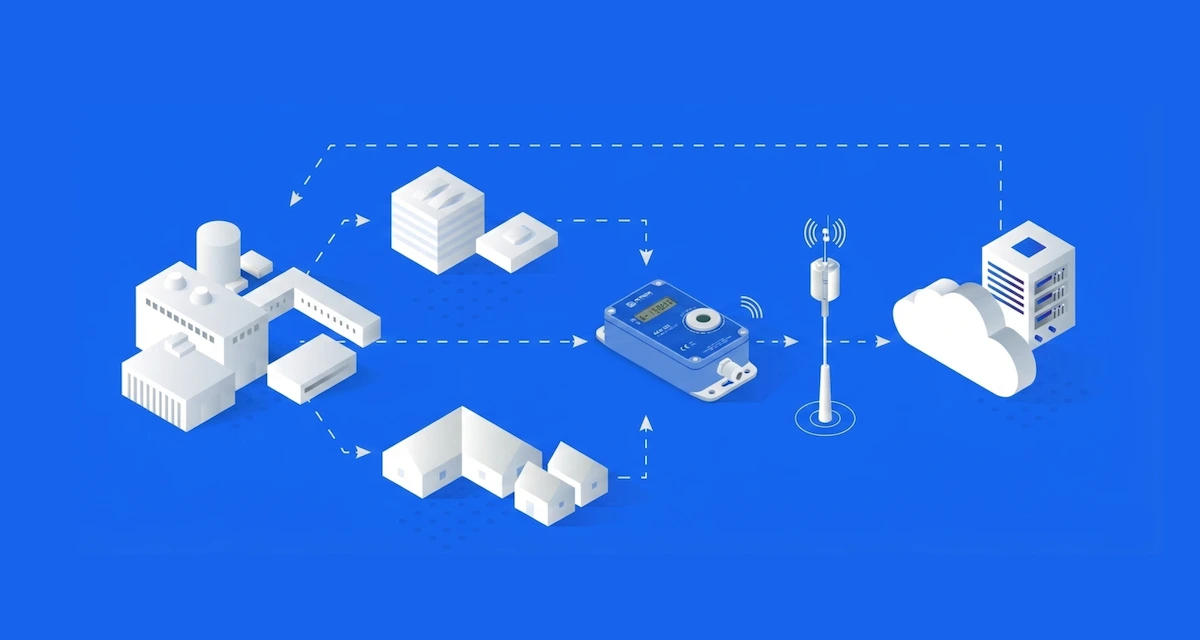
ACR-EX in water utilities: remote reading of pulse water meters

ACRIOS and Quectel announce partnership

External or internal? How custom development works

Proven deployment of 10,000 wM-Bus converters for EED

Choosing a remote reading system for water utilities
Open data interfaces pay off for reporting and integration

15-minute vs daily meter readings frequency explained

Gas meter data to dashboard: ACR-EX meets Datacake
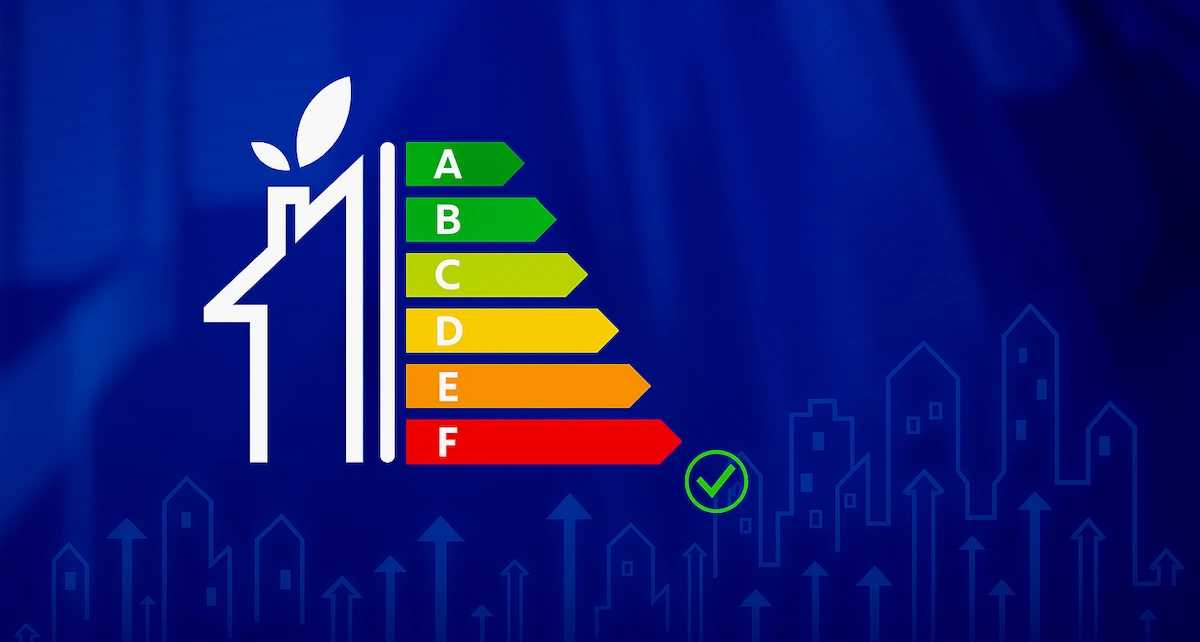
EPBD is coming: what BACS means for your building
When DTLS makes sense. Know before you deploy

Not your keys, not your hardware
868 MHz or 433 MHz? The right choice for your wM-Bus
Everything you need to know, documented. ACRIOS wiki.
End-to-end custom hardware and software development
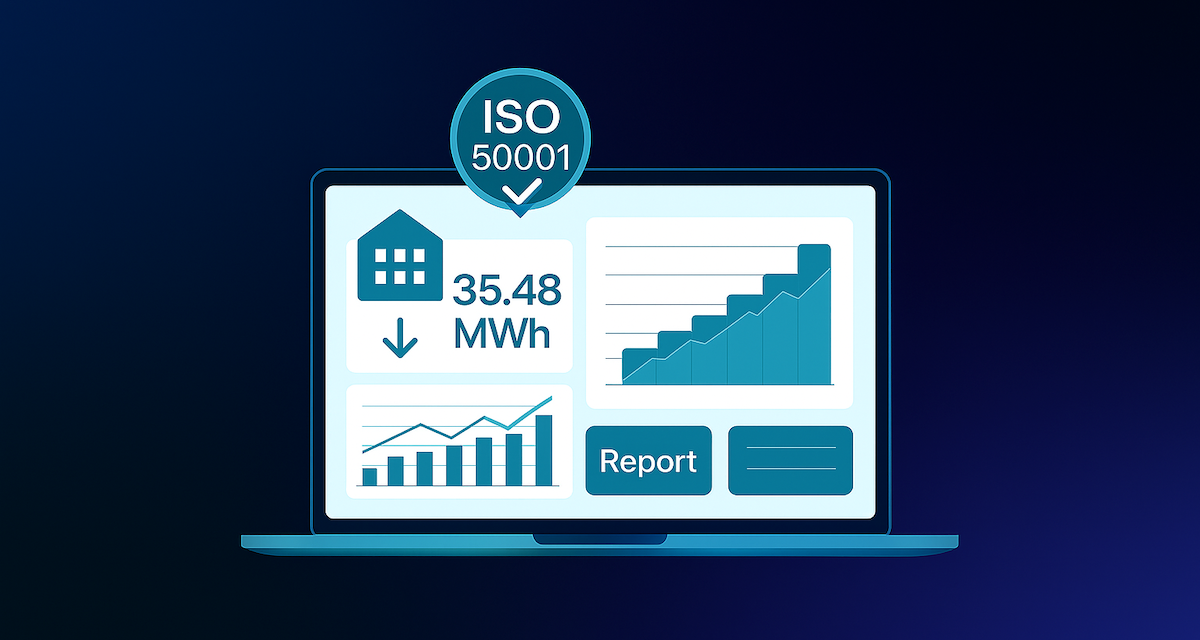
How to collect energy data to support ISO 50001

Lowering IoT TCO through smart manufacturing

Reading Sensus meters with zero hardware changes

Why 15-minute data matters in district heating

Give me a tool that works. Not a manual.

5 most common myths about remote meter reading

Battery-powered vs wired: What really costs more?

Cyber Resilience Act and IoT hardware
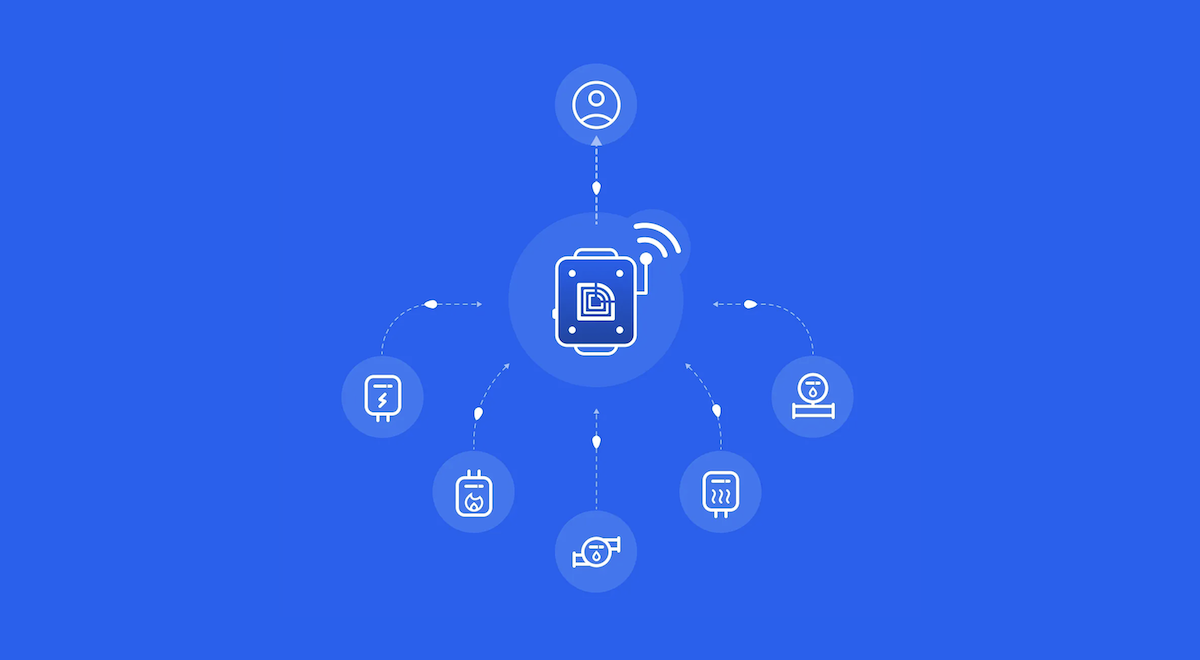
Next-gen meter readings, no replacements needed

Modernising metering infrastructure

M-Bus to IoT integration explained

Understanding TCO: More than just hardware

NB-IoT technology: All you need to know

LoRaWAN: All you need to know

M-Bus, wM-Bus, and RS-485: A technology guide

LoRaWAN vs. NB-IoT: Which technology is right for you?
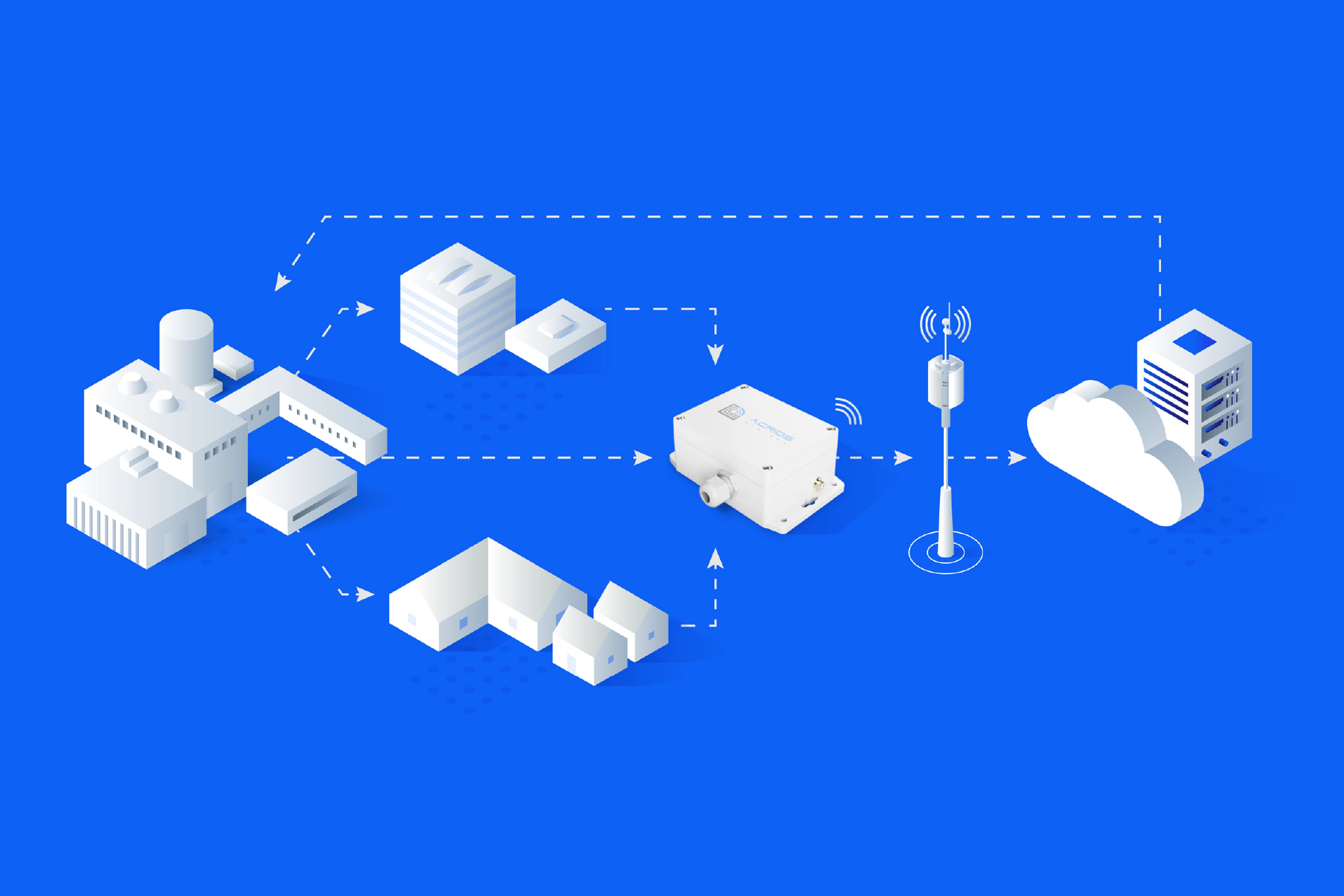
Smart metering: What it is and why it matters

IoT: Technology that saves time and money