Reading Sensus meters with zero hardware changes
Sensus (Xylem) meters are well-proven. But integration is another story. Sensus meters, now part of the Xylem group, are no strangers to water distribution networks. They’re robust, reliable, and can be found in nearly every second utility system. But one recurring challenge is their integration into a unified data infrastructure. As soon as remote reading or automated data collection enters the conversation, questions arise: what protocol is being used and can it actually be connected easily?
Two protocols, two challenges: wM-Bus and Bubble UP
Most utilities today deal with a mix of two communication protocols. One is the open wM-Bus standard, often in a version compatible with the OMS specification. These devices can be connected via standard concentrators or LoRaWAN networks – a common and popular setup. The second option is less flexible: a proprietary protocol known as Bubble UP, or FlexNet. It uses a closed communication model, which becomes a challenge when trying to unify data from different meters in one place.
How ACRIOS handles integration, without touching the meters
When a utility owns a mix of both meter types, which is very common, the key question becomes: is it even possible to bring them all into one system without hardware replacement or complex work arounds? That’s where ACRIOS technology steps in.
We offer a solution designed to handle both protocols simultaneously without deep configuration and without accessing the meters directly. For open wM-Bus devices, integration is straightforward, via LoRaWAN or standard concentrators. Where meters use Bubble UP, ACRIOS converters are deployed to collect data externally, without interfering with the device itself. No need to open anything, reprogram firmware, or depend on the original manufacturer. Data simply arrives and your system can work with it like any other input.
One system, no matter how old or new your meters are
The real benefit of this approach is continuity. There’s no need to decide what to replace and what to keep. Everything already in the field can be integrated into one clean platform. Whether you're dealing with decade-old meters or newly installed digital units. On the data layer, the outcome is the same: automatic, transparent, and hands-free reading.
Digitalisation that respects your infrastructure
For operations management, this means fewer complaints, faster fault diagnostics, fewer truck rolls, and better consumption forecasts. It also lightens the load on your team. No need to juggle multiple systems or manually merge exported data. Water utility digitalisation isn’t just about “smart meters”. It’s about how simply things connect. We at ACRIOS build on openness, easy integration, and respect for what’s already working in the field. That’s why it offers a solution that doesn’t disrupt infrastructure but expands and connects it logically.
FAQs
The protocol is usually listed in the meter’s technical documentation or on its label. If unclear, it can be identified by model and manufacturer; for Sensus/Xylem meters common options are wM‑Bus (OMS) or Bubble UP / FlexNet.
No. ACRIOS enables non-invasive integration. wM-Bus data is collected using standard methods. For FlexNet (Bubble UP), we use special converters that connect externally. No firmware changes or internal modifications are needed.
This is very common. ACRIOS converters unify data from different protocols and manufacturers into a single interface, removing the need for parallel systems.
Yes. They are protocol‑driven and support any meter using standard protocols such as wM‑Bus, M‑Bus, Modbus or pulse.
Installation is quick and non‑invasive: the converter connects to the meter’s communication interface and immediately starts transmitting data.
Yes. ACRIOS provides open APIs for integration with dispatch systems, billing software, energy management platforms or customer portals.
A unified interface simplifies management, improves reading accuracy, reduces field visits and provides real‑time network visibility, lowering O&M costs.
Yes. Pilot deployments allow you to validate functionality and integration in real conditions and fine‑tune configuration before scaling up.
Looking to integrate Sensus meters without replacing existing hardware? Let’s discuss a practical data collection setup that fits your infrastructure and operational needs.

Blog
ILI: what the EU leakage threshold measures

Pulsed water meter: All you need to know
LoRaWAN airtime: why radio conditions matter
Converter, bus, bridge, gateway: what's the difference?
What actually drains an IoT device battery
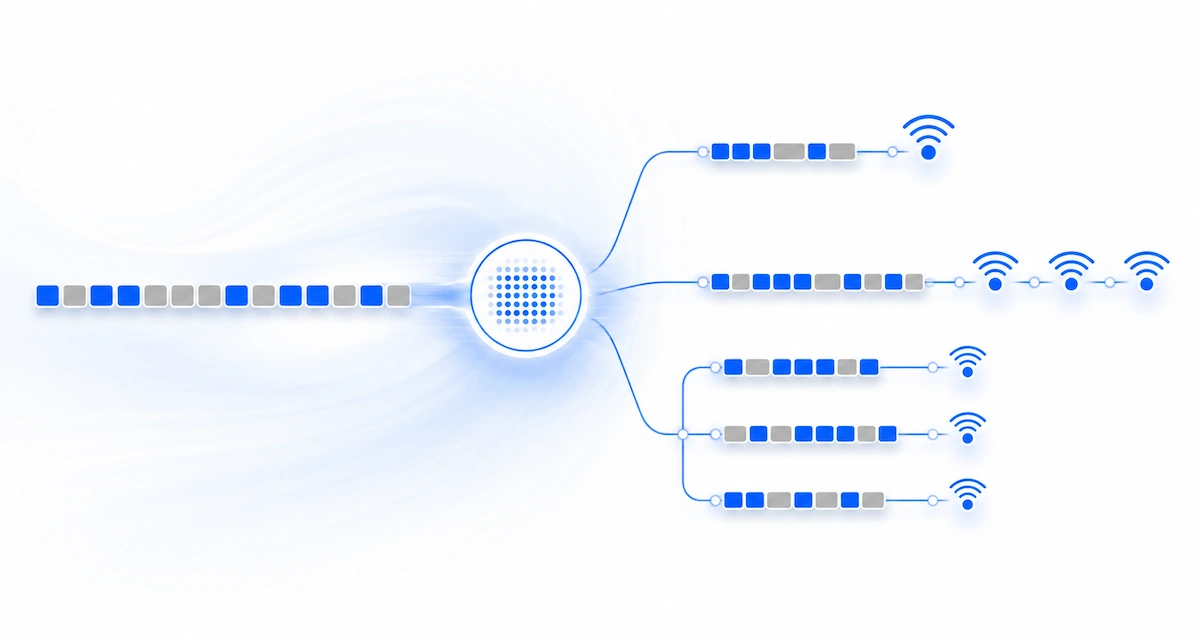
M-Bus parsing strategies for LoRaWAN and NB-IoT
How to best replace walk-by meter reading
Can your existing meters be retrofitted?

Battery life in IoT: beyond the datasheet number
Agile, Waterfall, or NRE? Choosing a development methodology
Developing adaptive IoT communication under the CRA
Focused supplier or large vendor? Depends on the project

Edge computing in IoT metering
Manufacturer as a technology partner

Why a device without an antenna fails

CE certification for IoT: What RED DA changes
Water losses in utility networks: The hidden cost of leaks
Pressure monitoring in water networks: Early fault detection
M-Bus pressure sensor: Leak detection for water utilities
The cost of measurement data errors and how to prevent them

Smart Readiness Indicator (SRI): All you need to know
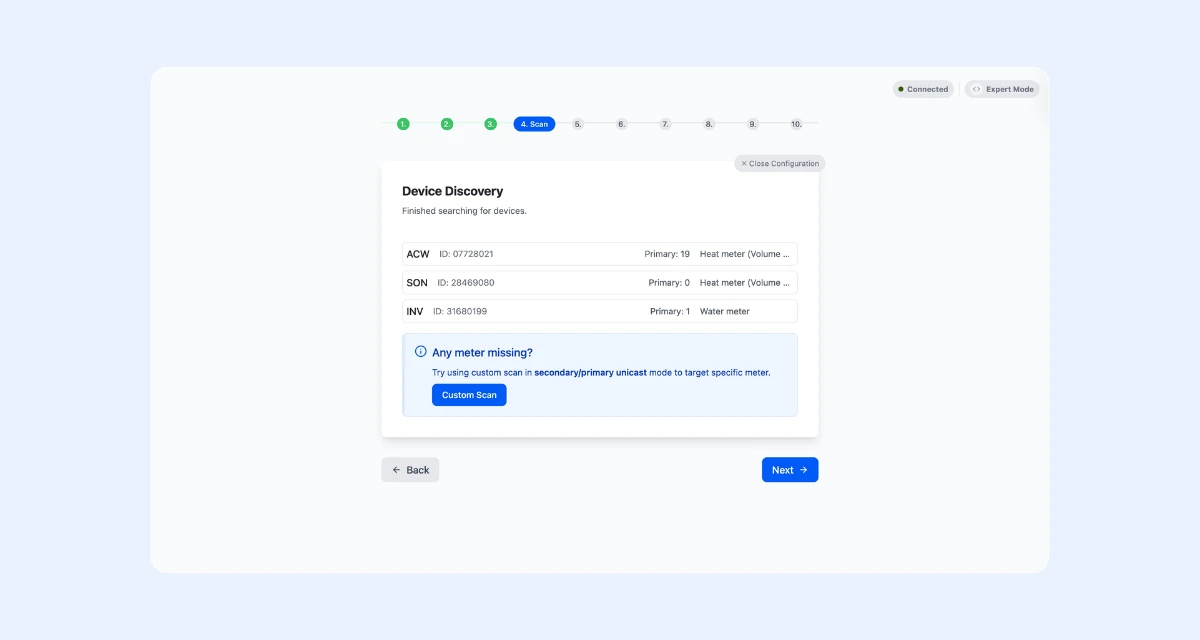
M-Bus installation tool Wizard from ACRIOS

Coulomb meter: Everything you need to know
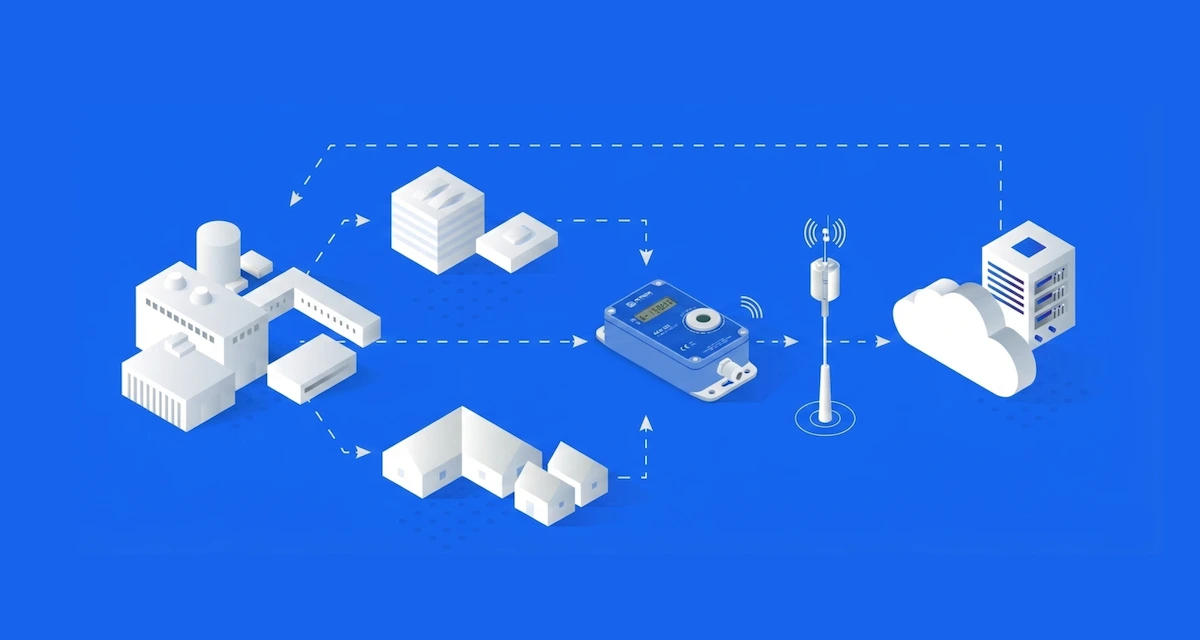
ACR-EX in water utilities: remote reading of pulse water meters

ACRIOS and Quectel announce partnership

External or internal? How custom development works

Proven deployment of 10,000 wM-Bus converters for EED
Choosing a remote reading system for water utilities
Open data interfaces pay off for reporting and integration

15-minute vs daily meter readings frequency explained
Scripting in IoT: Flexibility, sustainability, and protection

Gas meter data to dashboard: ACR-EX meets Datacake
EPBD is coming: what BACS means for your building
When DTLS makes sense. Know before you deploy
Not your keys, not your hardware
868 MHz or 433 MHz? The right choice for your wM-Bus
Everything you need to know, documented. ACRIOS wiki.
End-to-end custom hardware and software development
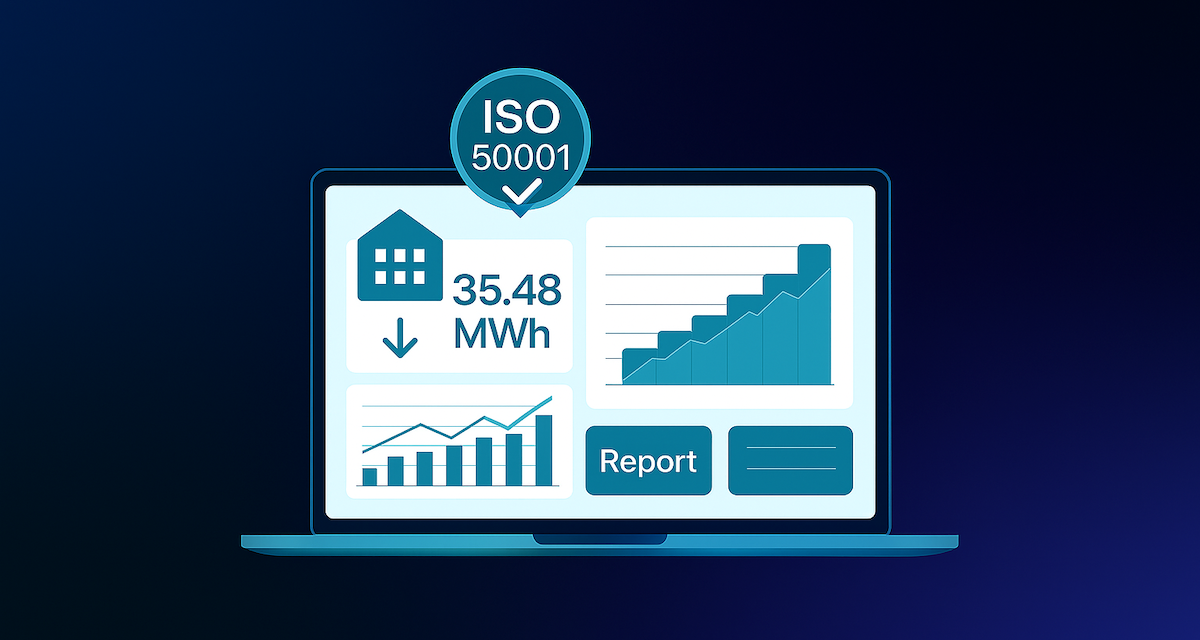
How to collect energy data to support ISO 50001

Lowering IoT TCO through smart manufacturing

Why 15-minute data matters in district heating

Give me a tool that works. Not a manual.

5 most common myths about remote meter reading

Battery-powered vs wired: What really costs more?

Cyber Resilience Act and IoT hardware
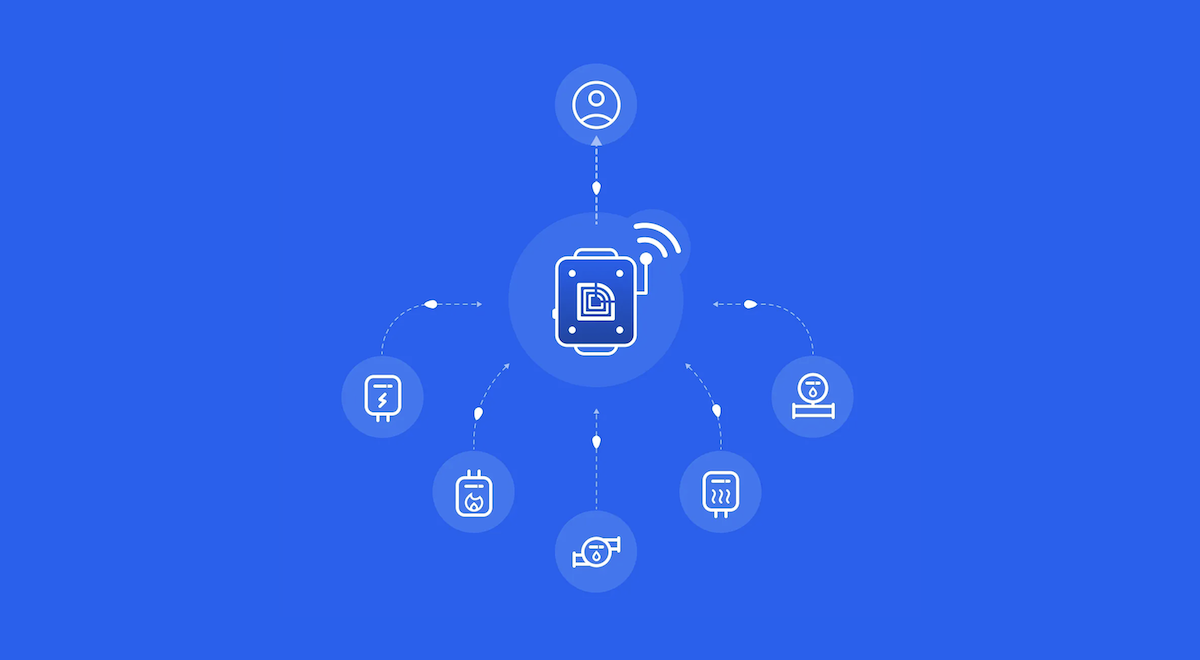
Next-gen meter readings, no replacements needed

Modernising metering infrastructure

M-Bus to IoT integration explained

Understanding TCO: More than just hardware

NB-IoT technology: All you need to know

LoRaWAN: All you need to know

M-Bus, wM-Bus, and RS-485: A technology guide

LoRaWAN vs. NB-IoT: Which technology is right for you?
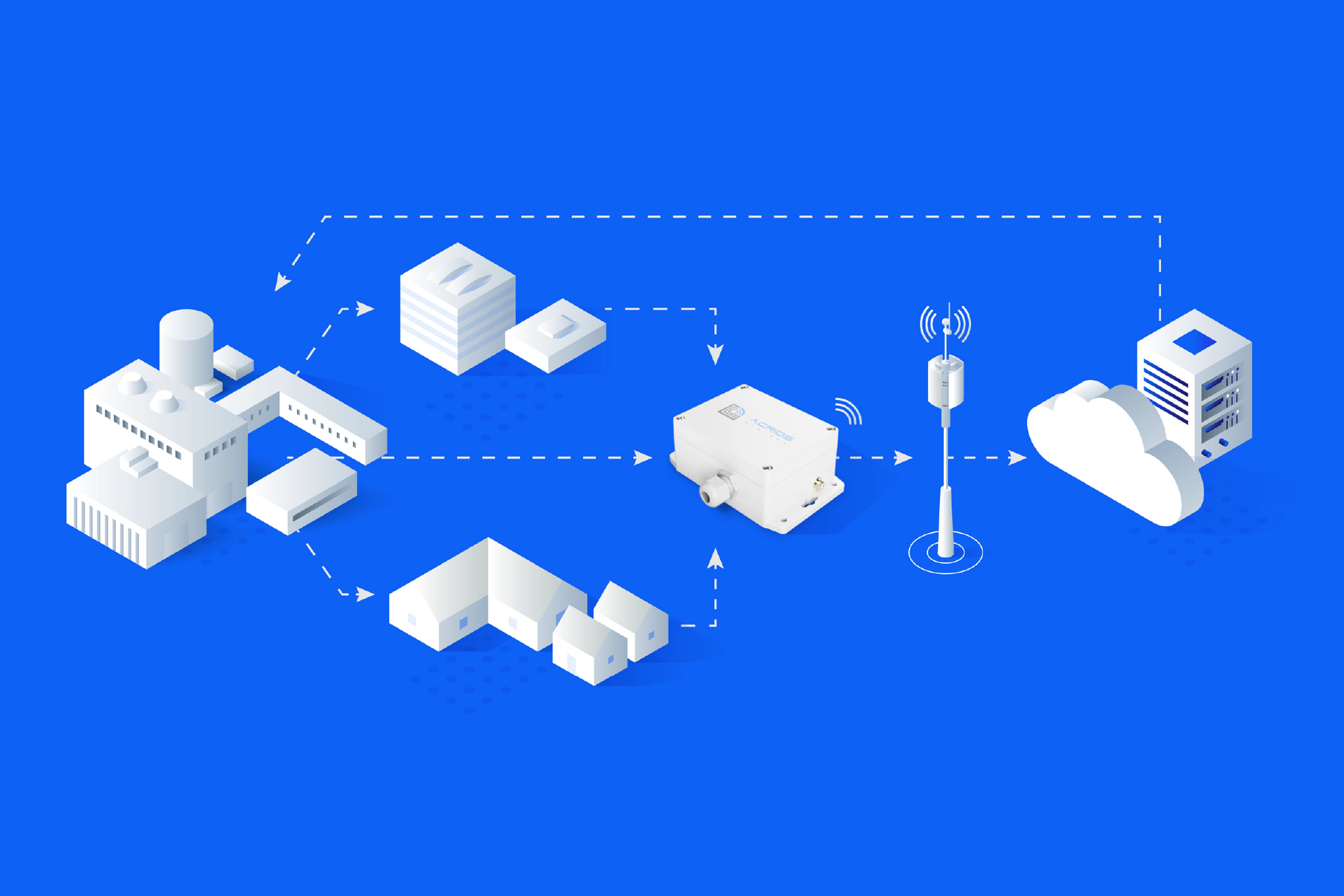
Smart metering: What it is and why it matters

IoT: Technology that saves time and money